Sacred Threads and Celebrations: A Heartfelt Journey Through Indian Wedding Traditions
Indian weddings are more than just ceremonies — they are grand expressions of love, family, tradition, and cultural pride. Each region, religion, and community across India weaves its own vibrant story through wedding rituals, colorful attire, delicious feasts, and soulful music. It’s a time when hearts meet, families unite, and passion for tradition blends with modern joy. Let’s take a heartfelt journey through these diverse yet deeply connected marriage customs across India.
❤️ Hindu Weddings: A Sacred Bond of Fire and Faith
Rituals & Ceremonies
Hindu weddings are rich with symbolism. Pre-wedding rituals, like Haldi (turmeric ceremony) and Mehndi (henna night), usher in blessings. The Kanyadaan, Phere (seven sacred vows around the fire), and Sindoor Daan seal the sacred bond. These rituals remind everyone of life’s cyclical connection to dharma and love.
Family Involvement
From the elderly blessing the couple to cousins dancing at the Sangeet ceremonies, the entire family becomes part of the celebration. The Hindu wedding is an emotional culmination of parental dreams.
Wedding Attire & Music
Brides dazzle in red or maroon lehenga cholis richly embroidered with zari work, while grooms don cream or gold sherwanis and turbans. Traditional music—shehnai, classical ragas, and regional folk—elevates the grace of every moment.
- Fire is the central witness in a Hindu wedding
- Haldi signifies purification before marriage
- Clothing colors are rooted in spiritual symbolism
🔔 Sikh Weddings: A Sacred Union in the Guru’s Presence
Rituals & Ceremonies
The Sikh wedding, or Anand Karaj, is a peaceful and spiritual ceremony held in the Gurudwara. The soul-stirring Lavan hymns guide the couple through their marital journey as they circle the Guru Granth Sahib.
Family & Celebrations
Sikh weddings are joyful and community-centered. The Chooda and Kalire ceremony blesses the bride, while the groom’s Sehra Bandi is emotionally moving for both families. Bhangra beats and dhols make the post-wedding celebrations unforgettable.
- Anand Karaj signifies a union of equals under divine presence
- Kalire blessings represent prosperity in the bride’s new home
- Post-wedding receptions are loud, colorful, and full of dancing
🌙 Muslim Weddings: Elegance in Simplicity and Spiritual Grace
Key Rituals
Muslim weddings, or Niqaah ceremonies, reflect dignity and deep spirituality. The Mehr (gifting from groom to bride), recitation of Quranic verses, and mutual consent are all that define the marriage’s sacred foundation.
Attire & Customs
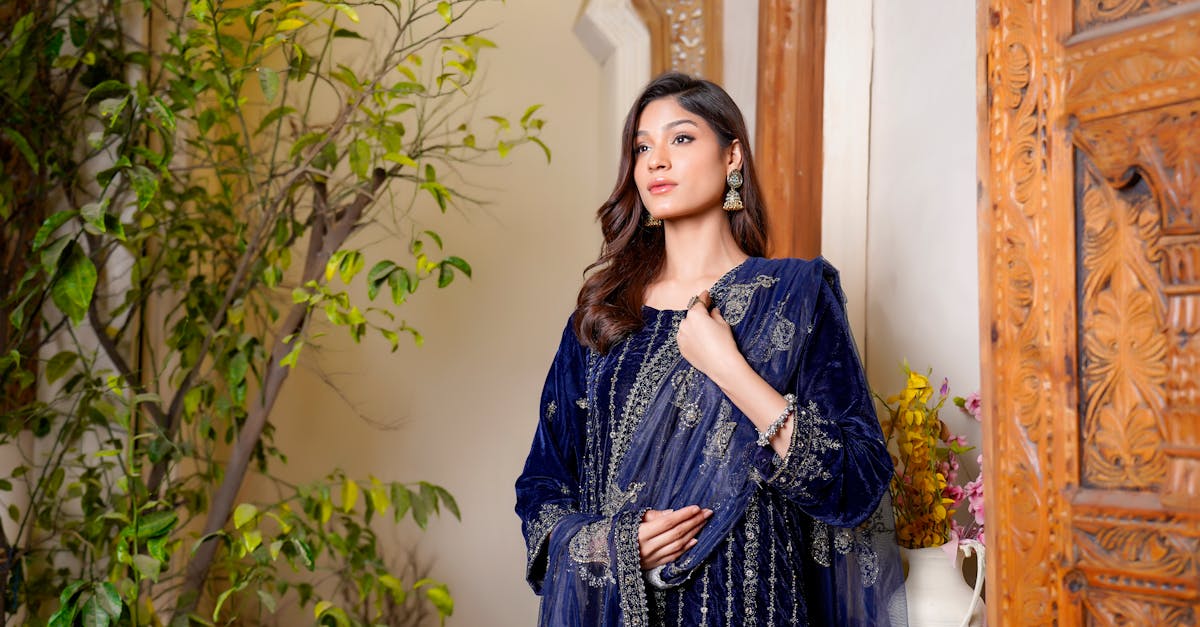
Muslim brides often wear embellished Sharara or Anarkali with vibrant hijabs or dupattas, while grooms wear the classic Sherwani with a Jama. Soft Qawwalis or contemporary Nasheeds often accompany the ceremonies.
- Mehr displays groom’s responsibility and respect
- The Walima (reception) celebrates the beginning of a shared life
- Nikah Nama is the legal and spiritual statement of unity
⛪ Christian Weddings: A Walk Down the Aisle of Divine Blessings
Ceremonial Grace
Christian weddings in India embody heartfelt simplicity. The couple recites vows before a priest, rings are exchanged, and blessings are showered upon them inside the church in a ceremony filled with prayers and hymns.
Wedding Style
Christian brides in India wear white gowns, often with veils and floral tiaras, while grooms wear classic tuxedos. Churches are adorned with lilies, candles, and serene melodies from the choir.
- Vows reflect commitment, partnership, and grace
- Reception includes cake-cutting and the couple’s first dance
- Beachside or hilltop church weddings are growing popular
🕉️ Jain, Buddhist & Parsi Weddings: Intimate and Ethereal
Jain Weddings
Simplicity and non-violence shine in Jain weddings. Ceremonies like Phere and Granthi Bandhan are performed in the presence of the elders and community heads. Vegetarian feasts and subtle cultural music enhance the purity of the event.
Buddhist Weddings
While not religiously mandated, Buddhist weddings often incorporate blessings from monks and serene rituals like candle lighting. The couple embraces vows of mutual respect and mindfulness.
Parsi Weddings
Known as Aashirwad, Parsi marriage ceremonies include the exchange of silver coins, intermingling of rice and rosewater rituals, and tying of sacred cords — a symbol of pure bond.
- All three traditions emphasize purity, simplicity, and intention
- Family elders and community leaders play vital roles
- Music is soft, centered around spiritual or classical tunes
🌺 Regional Flavors: India’s Wedding Palette from North to South
North Indian Weddings
Known for grandeur, North Indian weddings feature Baraat processions, Jai Mala exchanges, and grand Sangeet ceremonies. Food is rich with paneer dishes, pulao, and creamy desserts like rasmalai.
South Indian Weddings
Filled with temple traditions, South Indian weddings include rituals like Kanyadaanam, sacred mangalsutra tying, and garland exchange. Brides wear kanjeevaram sarees while grooms wear crisp white dhotis.
East Indian Weddings
Bengali weddings involve the bride entering with betel leaves covering her face, the Shubho Drishti, and conch-shell blowing. The groom wears dhoti-kurta, and feasting on fish curry and paayesh follows.
West Indian Weddings
Gujarati, Marathi, and Rajasthani weddings display folk song-punctuated traditions like Hasta Milap, Saptapadi, and Antarpaat. Dhokla to modak graces the festive platter.
🍛 The Wedding Feast: Where India Sits Together in Joy
A wedding without a lavish Indian spread is incomplete. From Punjabi butter chicken feasts to Tamil banana leaf thalis, each menu mirrors the region’s soul. Community dining promotes togetherness and equality.
- North: Butter naan, rajma, daal makhani, rasgulla
- South: Idiyappam, avial, payasam, filter coffee
- West: Undhiyu, shrikhand, fafda
- East: Mutton curry, luchi, mishti doi
🌸 Honeymoon Planning & Ritual Checklist
After the farewell tears and laughter fade into memory, couples embark on a romantic getaway. Traditional rituals like Grihapravesh, Pagphera, and First Rasoi continue to bind hearts in the early days of marriage.
Checklist for Rituals:
- Pre-wedding: Haldi, Mehndi, Engagement
- Wedding day: Vows, Blessings, Sacred Fire
- Post-wedding: Bidaai, Grihapravesh, Reception
For more tips, check our wedding planning checklist.
💞 Conclusion: Celebrating Love Through Traditions
Every Indian wedding, regardless of religion or region, holds one thing sacred — the power of human connection. Through laughter, prayers, music, and meticulous rituals, we preserve centuries of love and legacy. Embrace your culture proudly, and write your own story of togetherness with someone who values your roots.
Find your perfect life partner on PunjabiRishtey.com.
Leave a Reply