Sacred Ties: Muslim Wedding Traditions That Celebrate Love, Faith & Family
In the world of Indian marriages, Muslim weddings hold a deeply spiritual space, where faith meets festivity and family is at the heart of every ritual. The elegance of white sherwanis and shimmering shararas, the lilting sound of nikaah vows, and the fragrance of ittar — all come together to form a celebration that is both traditional and timeless.
Nikah: The Heart of a Muslim Wedding
The most sacred moment in a Muslim wedding is the nikah, the legal and spiritual marriage contract officiated by an Imam or Qazi in the presence of witnesses. This ceremony is guided by Islamic customs, but decorated with local culture and familial love.
- Mahr: A mandatory gift from the groom to the bride, symbolizing respect and commitment.
- Kazis and Witnesses: Two witnesses from each family formalize the union.
- Ijab-e-Qubool: The bride and groom verbally consent to the marriage — a pivotal spiritual moment.
Families gather to read dua (prayers), and emotional tears are often seen as the bride softly says “Qubool hai.” This resonates with many Muslim matchmaking success stories on our platform.
Pre-Wedding Rituals: From Mehendi to Manjha
Before the Nikah, families enjoy a series of colorful pre-wedding traditions that vary between regions:
- Mehendi Ceremony: Adorning the bride’s hands with intricate henna designs while surrounded by song and laughter.
- Manjha: Similar to the Haldi ceremony in other Indian cultures, where a turmeric paste is applied to the bride and groom for glowing skin and blessings.
- Ishtikara: A special prayer to seek divine will and guidance before marriage.
The young women in the family often sing folk songs passed down through generations — a shared tradition among Punjabi wedding rituals as well.
Wedding Attire: Grace in Every Thread
The clothing in a Muslim wedding reflects grace, royalty, and modesty:
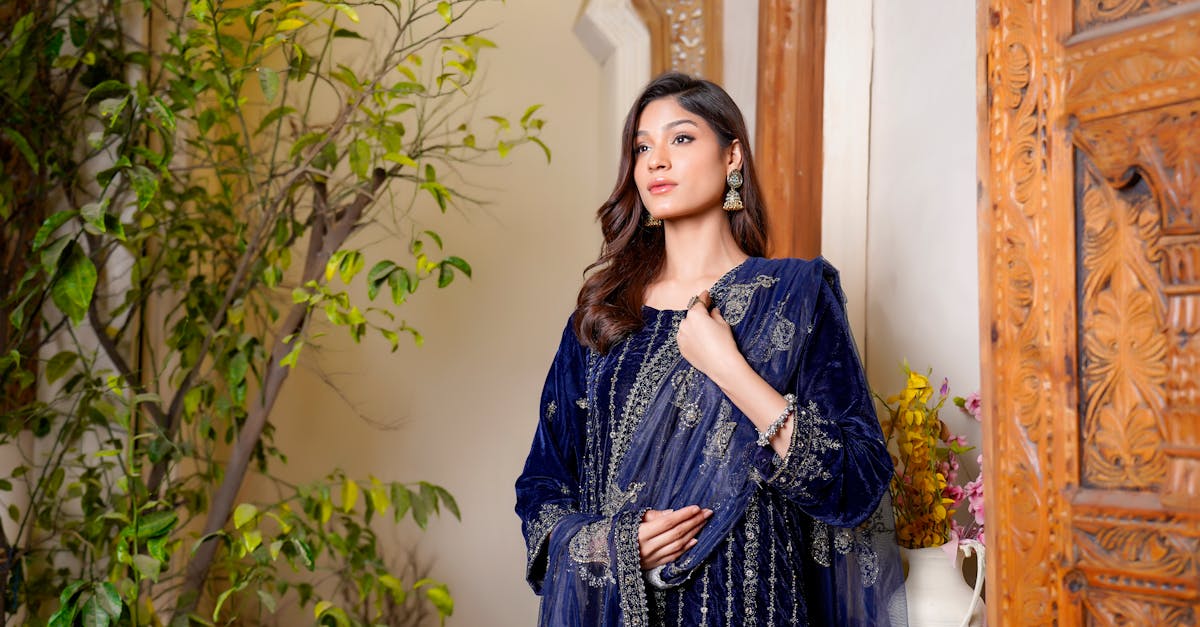
- Brides: Often dressed in richly embroidered Sharara or Lehenga in shades of red, green, or white complemented with jewelry like maang tika, passa, and jhoomar.
- Grooms: Typically wear Sherwanis, Kurta-pajamas, or pathani suits with a turban or skull cap.
- Family: Coordinated color themes are common — creating a visual symphony on the wedding day.
Much like Urdu wedding traditions, attire often includes delicate zardozi and silk textures that tell stories of heritage.
Music & Celebrations: Spiritual Joy & Cultural Rhythms
Though traditional Muslim weddings tend to be simple and solemn, music plays a role within family gatherings:
- Qawwali Nights: Sufi devotional songs that uplift the soul and set the celebration in motion.
- Mehfil Gatherings: A gathering of relatives where poetry, jokes, and blessings are shared warmly.
- Dance: Some families incorporate regional folk music during mehendi or reception nights — inspired by Bollywood themes.
These ceremonies reflect unity, joy, and the cherished value of hospitality — the kind found in many love and arranged marriages.
Post-Wedding Rituals: Widaa & Walima
- Widaa: An emotional farewell ceremony where the bride leaves her parental home to start her new journey. It’s tearful yet filled with hope.
- Walima: A grand reception hosted by the groom’s family — symbolizing the successful union and welcoming the bride into their life.
- Dua and Blessings: Elders offer heartfelt prayers for the couple’s prosperity, echoing the familial bonds like those cherished in joint family weddings.
The Feast: A Celebration of Shared Flavors
No Indian wedding is complete without food, and Muslim nuptials are a gourmet delight:
- Flavors: Biryani, kebabs, nihari, haleem & gosht — slow-cooked over hours to serve guests with love and pride.
- Desserts: Sheer korma, phirni, seviyan, and baklava sweeten the spiritual union.
- Dining Style: Community eating is encouraged, often on traditional seating with decorative platters.
Often, post-wedding gatherings are the place where siblings and cousins discuss honeymoon planning and future celebrations.
wedding Planning & Ritual Checklist
- Fix a date with Qazi and finalize Nikah location.
- Mahr amount to be mutually decided and noted.
- Mehendi, Manjha, and Qawwali evening scheduled.
- Wedding invites and guest list with thoughtful seating for elders.
- Menu planning — including vegetarian and nonvegetarian options.
- Photography and videography team with experience in traditional reels.
- Wardrobe trials and makeup artists booked for all main events.
Conclusion: A Sacred Union Sealed with Love
Muslim weddings in India are more than rituals — they are sacred journeys woven with devotion, modesty, joy, and resilience. Each vow whispered under veil, each shared spoon of sheer korma, and every elder’s blessing shape a lifelong companionship based on faith and grace.
Every wedding marks a new beginning — find yours on PunjabiRishtey.com, where love meets tradition.
Leave a Reply