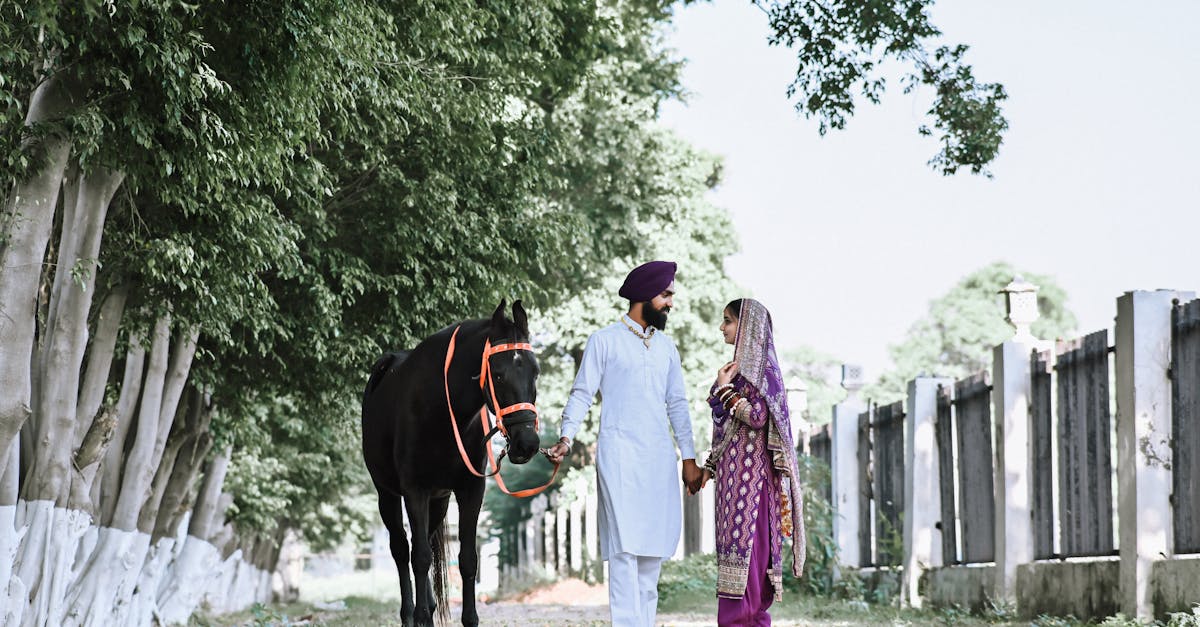
Sacred Vows and Timeless Traditions: A Heartfelt Journey Through Indian Marriage Customs
Weddings in India aren’t just ceremonies — they are soul-binding journeys rich in culture, emotion, and age-old tradition. Each ritual is a tribute to love, family, and divinity, varying across religion, region, and community. Whether it’s the sacred chant of mantras in a Hindu mandap or the soulful signing of a Muslim Nikahnama, Indian matrimonial customs reflect the country’s breathtaking diversity. Let’s explore the beautiful mosaic of Indian wedding traditions that continue to bless couples with love, unity, and unforgettable memories.
💛 Hindu Weddings: A Celebration of Sacred Fire and Eternal Bond
Hindu matrimonial ceremonies are vibrant, spiritual, and profoundly symbolic. The heart of the celebration lies in the Saptapadi — seven sacred vows taken around the agni (holy fire).
- Rituals: Pre-wedding festivities such as Haldi, Mehndi, Sangeet, and the Baraat set a joyous tone. Post-wedding, the Griha Pravesh marks the bride’s welcome.
- Attire: Brides often wear red or maroon lehengas or sarees, while grooms don intricately designed sherwanis and turbans.
- Family involvement: Families play a pivotal role, from matchmaking to planning every detail through sites like Hindu matrimonial profiles.
- Music & Celebrations: Dhol beats, folk songs, and choreographed dance numbers light up the atmosphere, especially during the Sangeet.
- Cultural Value: It emphasizes dharma (duty), artha (prosperity), kama (desire), and moksha (liberation).
❤️ Sikh Weddings: Soulful Connections through Anand Karaj
In Sikhism, weddings are revered as a divine union of two souls through the Anand Karaj (“blissful union”). The ceremony takes place in the Gurudwara with utmost simplicity and devotion.
- Rituals: The Laavan (four hymns) are sung while the couple circles the Guru Granth Sahib.
- Attire: Brides often wear colorful salwar kameez or lehengas with phulkari embroidery. Grooms wear achkans with pink or orange turbans.
- Music & Celebrations: Folk dances like Gidda and Bhangra add high energy to celebrations.
- Family Values: Elders play an advisory role, and matchmaking often begins through trusted platforms like Punjabi wedding traditions.
- Emotional Significance: Emphasis is placed on the eternal companionship under God’s will.
💚 Muslim Weddings: A Bond Written in Divine Will
In Islam, the Nikah is a sacred contract guided by mutual consent and witnessed solemnly. The elegance and dignity of Muslim weddings signify purity in commitment.
- Rituals: The Nikah ceremony includes recitations from the Quran and a formal agreement signed by both parties. The Walima (reception) follows the marriage.
- Attire: Brides dazzle in elaborately embroidered shararas or lehengas, while grooms opt for sherwanis or kurta-pajamas with a skullcap.
- Family Role: Elders negotiate the nikaahnama, and families often seek rishtas through Muslim matrimonial profiles.
- Cultural Insights: Modesty, respect, and divine faith color every aspect of the celebrations.
- Celebrations: Mehndi and Manjha are lively pre-wedding customs filled with song and tradition.
💙 Christian Weddings: Vows Made Under the Eyes of Grace
Christian weddings in India blend spiritual commitment with elegant Western traditions. In churches adorned with white flowers, couples make vows of love and faith.
- Rituals: The exchange of vows and rings is followed by a prayer service and blessings from the priest.
- Attire: Brides often wear white gowns and veils, while grooms are seen in suits or tuxedos.
- Family Values: Emphasis is placed on choosing partners with similar faith, values, and goals. Families often connect via Christian matchmaking services.
- Celebration: Post-wedding functions include cake cutting, dances, and festive dinner parties.
- Music: Choir hymns, organ music, and romantic duets create a serene and romantic ambiance.
🧡 Jain Weddings: Serenity in Simplicity
Jain marriage customs are peaceful, spiritual, and minimalist. Rooted in non-violence and purity, their wedding rituals exude calm elegance.
- Rituals: Lagna Lekhan (alliance recording) and the Phere around the fire are performed without overexuberance.
- Attire: Brides choose simple yet elegant sarees, while grooms wear kasab bandhgalas or kurtas.
- Family Connection: Parents actively seek compatible matches through community-based platforms like Jain matrimonial services.
- Celebration & Food: Vegetarian and sattvic meals are served, often without onion or garlic, emphasizing purity.
🤍 Parsi Weddings: A Toast to Tradition and Togetherness
Parsi Zoroastrian weddings are quaint and full of unique customs rooted in ancient Persia. The Achoo Michoo ritual symbolizes purification and fresh beginnings.
- Rituals: The wedding ceremony includes the exchange of garlands and blessings from a Dasturji (priest).
- Attire: Brides wear the Gara saree, often passed down generations, while grooms are in Daglis (white tunic).
- Family Values: Parsis value community, and matrimonial matches are often found via dedicated networks like Parsi rishtas.
- Celebration & Cuisine: The Laganu Bhonu feast includes saas ni machhi (fish stew), mutton pulao, and raspberry soda.
🌸 South Indian Weddings: A Melodious Union of Faith and Family
From Tamil Nadu to Kerala, South Indian weddings radiate tradition and grace. The sound of temple bells, classical music, and Sanskrit mantras give life to this holy event.
- Rituals: The Kanyadaanam, Mangalya Dharanam (tying the sacred thread), and the Saptapadi are central.
- Attire: Brides wear rich silk sarees with heavy gold jewelry, while grooms are seen in veshti and angavastram.
- Music: Nadaswaram musicians play live throughout the wedding ceremony creating a divine ambiance.
- Family and Astrology: Alignment of horoscopes is vital. Parents consult astrologers and matrimonial platforms like South Indian matchmaking.
🥻 Bengali Weddings: Red Alta, Conch Shells, and Pure Romance
The aura of a Bengali marriage is filled with traditions like the Shubho Drishti, where the couple first sees each other after ritual hide-and-seek.
- Rituals: From the blowing of conch shells to the seven Phere and Sindoor Daan, every moment is spellbinding.
- Attire: Brides wear red Banarasi sarees with a ‘mukut’, while grooms wear dhoti-kurta and topor (a headgear).
- Celebration: Bhajans, shehnai melodies, and traditional cuisines make every Bengali wedding unforgettable.
- See more such unique wedding styles in our Bengali bride features.
🍲 Food & Feast: The Heart of Every Indian Wedding
No Indian wedding is complete without a feast that delights every sense. Food serves not only as nourishment but as a symbol of unity, generosity, and celebration.
- Regional Flavors: From Punjabi butter chicken and Amritsari kulchas to South Indian sambar and Kerala appams, every wedding platter is regionally infused.
- Community Dining: Long banana leaf lunches in the south and rich buffet spreads in the north bring families together.
- Sweets & Treats: Gulab jamuns, rasmalai, modaks, and kesari halwa sweeten every moment.
🌙 Honeymoon Rituals & Post-Wedding Planning
- Rituals: Traditions like Pag Phera (bride returns to parents) and Mooh Dikhai (bride’s introduction) are cherished post-wedding moments.
- Planning Checklist: Venue booking, guest list, attire, pandit/mullah booking, and of course, choosing the right life partner — often starts with wedding planning guides.
🕊️ Conclusion: Love, Legacy & Lifelong Companionship
An Indian wedding isn’t just about the union of two individuals — it’s an orchestra of traditions, families, laughter, and dreams. Each culture, each ritual adds its own verse to the poem that is love in India. As families light diyas, exchange malas, or share blessings around a feast, they are in fact building a new world of togetherness.
Ready to begin your journey of love and tradition? Find your perfect life partner on PunjabiRishtey.com.
Leave a Reply