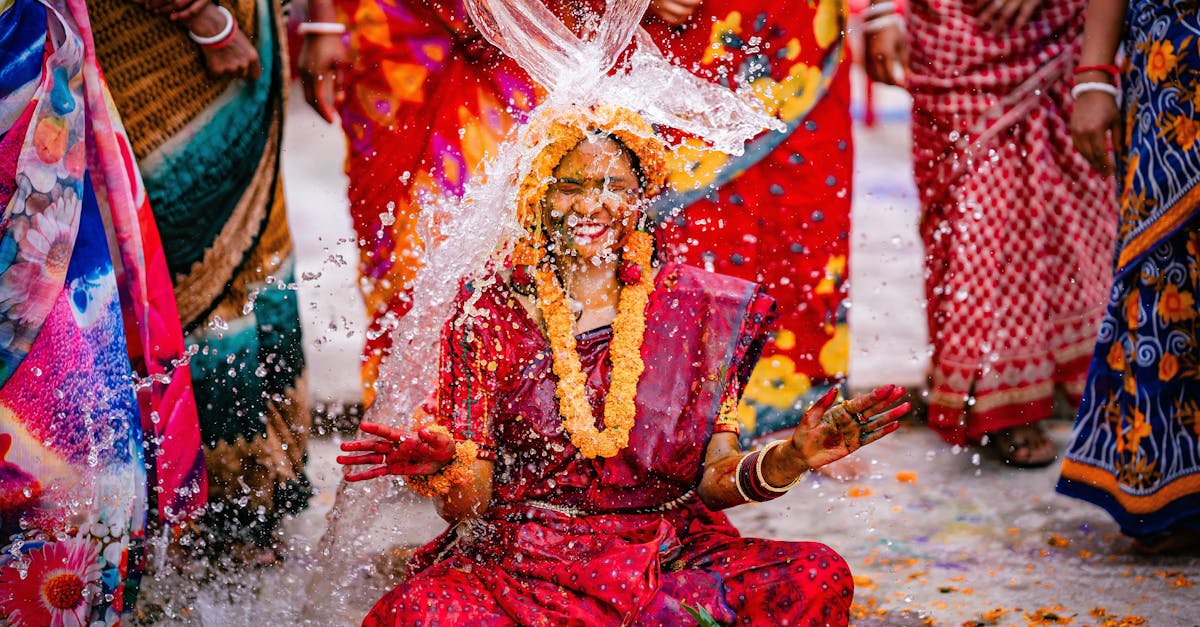
A Journey Through Indian Wedding Rituals: From Sacred Vows to Vibrant Celebrations
Indian weddings are not just ceremonies—they are soulful journeys woven with age-old traditions, heartfelt family emotions, vibrant colors, and spiritual depth. Spanning across faiths and regions, every Indian wedding is a glorious tapestry of rituals, music, food, and togetherness that celebrates not just the couple, but the merging of two families.
Hindu Weddings: The Sacred Fire and Seven Vows
Hindu weddings are deeply spiritual, guided by Vedic scriptures and marked by symbolic rituals. The ‘Saptapadi’—seven steps around the sacred fire—symbolizes a couple’s eternal commitment. Families play a crucial role from the Kanyadaan to the Bidaai, making it a heart-touching affair.
- Rituals: Ganesh Puja, Haldi, Mehendi, Sangeet, Baraat, and Saat Phere
- Attire: Brides wear red or maroon lehengas, while grooms adorn sherwanis with turbans
- Celebration: Music and dance are central—Sangeet sets the tone for joy
- Emotions: The emotional climax is often seen during the farewell bidaai
- Explore more Hindu ceremony elements in our Hindu wedding traditions section
Sikh Weddings: The Anand Karaj
The Sikh wedding ceremony, known as Anand Karaj, is both simple and spiritual, conducted in the Gurdwara amidst Gurbani recitations. The family extends hospitalities with grace and pride through various pre and post-wedding customs.
- Key Rituals: Roka, Chunni, Kurmai (engagement), and Laavaan (main ceremony)
- Family Role: Strong sense of community and respect for elders
- Attire: Brides may wear phulkari dupattas, grooms choose elegant turbans and churidar-kurta
- Celebrations: Bhangra and Gidda light up the Sangeet nights
- Discover regional insights at our Punjabi wedding traditions page
Muslim Weddings: The Graceful Nikah
Muslim weddings are known for their elegance and sacredness. The Nikah ceremony binds bride and groom through mutual consent, conducted by a Qazi and witnessed by family elders.
- Pre-wedding: Istikhara (prayer), Manjha (turmeric ceremony), Mehendi night
- Main Rituals: Nikah and Ijab-e-Qubool, followed by Walima (reception)
- Attire: Heavily embroidered lehengas, sherwanis, and sometimes sheraras
- Music and Decor: Subtle and graceful, focusing on family and closeness
- Explore more in our curated Muslim wedding traditions
Christian Weddings: Western Elegance Meets Indian Zeal
Christian weddings combine Western rituals with Indian flavors. Held in churches, these weddings are soulfully serene yet celebratory.
- Key Ceremonies: Bridal march, exchange of vows and rings, and blessings from the priest
- Family Role: Active participation in the choir, planning, and prayers
- Attire: The bride’s white gown symbolizes purity; the groom dons a formal suit
- Celebration: Cake cutting and ballroom dances follow the holy ceremony
- Learn more in our Christian wedding collections
Jain and Buddhist Weddings: Minimalist and Meaningful
Jain and Buddhist weddings are known for their simplicity and introspective rituals. Deeply spiritual, they emphasize purity and harmony.
Jain Weddings
- Rituals: Lagan Lekhan, Phere, and Kanyavaran
- Outfits: Modest traditional wear in white, cream or pastel
- Family Tradition: Strong focus on ancestral rituals
Buddhist Weddings
- Rituals: Ceremonial prayers, blessing by monks, recitation of Buddhist chants
- Cultural Touch: Torans and lotus motifs used in decor
- Read about serene wedding choices at Jain & Buddhist wedding highlights
Regional Colors: North to South, East to West
South Indian Weddings
Held in temples or mandapams, these weddings are marked by the sacred Kashi Yatra, Mangalya Dharanam, and Nadaswaram music. Brides glitter in Kanjeevaram sarees; grooms wear dhotis.
Gujarati Weddings
From Gol Dhana to Pheras, Gujaratis celebrate through Garba nights and colorful traditions. The bride wears panetar saree, while the groom may wear a kediyu-churidar combo.
Bengali Weddings
Rituals like Shubho Drishti, Mala Bodol, and Sindoor Daan make Bengali weddings intricate and culturally rich. The bride wears a red-and-white saree paired with a ‘mukut’.
Kashmiri and Rajasthani Weddings
Kashmiri weddings involve rituals like Livun and Wanvun, set to folk songs. Rajasthani weddings showcase royal grandeur with rituals like Pithi Dastoor and varmala under traditional torans.
Continue exploring cultural weddings via our South Indian weddings and royal Rajasthani traditions.
Feasting Together: The Soul of Indian Celebration
Food is the unsung hero of Indian weddings. From lavish Punjabi buffets to Kerala’s Sadhya served on banana leaves, cuisine reflects regional identity and festivity.
- North Indian: Butter chicken, dal makhani, chaat counters
- South Indian: Dosa stalls, sambhar-rice, filter coffee
- East Indian: Biryani, luchi-alur dom, rasgulla
- West Indian: Dhokla, undhiyu, Malpua
- Desserts: Besan ladoos, gulab jamun, jalebi-fafda
Wedding meals are often served in community style, enhancing togetherness and gratitude. Don’t forget to explore our guide on wedding food traditions.
Honeymoon Planning & Ritual Wrap-Up
- Post-wedding rituals: Griha Pravesh, reception, and blessings from elders
- Planning tips: Create a checklist including budget, guest list, rituals, outfits, and honeymoon destinations
- Trending Honeymoon Picks: Kerala backwaters, Himachal hills, Maldives, and Goa
Conclusion: Where Traditions Meet Matchmaking
Indian weddings are timeless expressions of love, culture, and family unity. Every custom, from tying the mangalsutra to stepping into a new home, echoes the emotional voyage from being an individual to becoming part of a lifelong partnership.
Ready to begin your own journey of love? Find your perfect life partner on PunjabiRishtey.com—where matches are made with both heart and heritage.
Leave a Reply