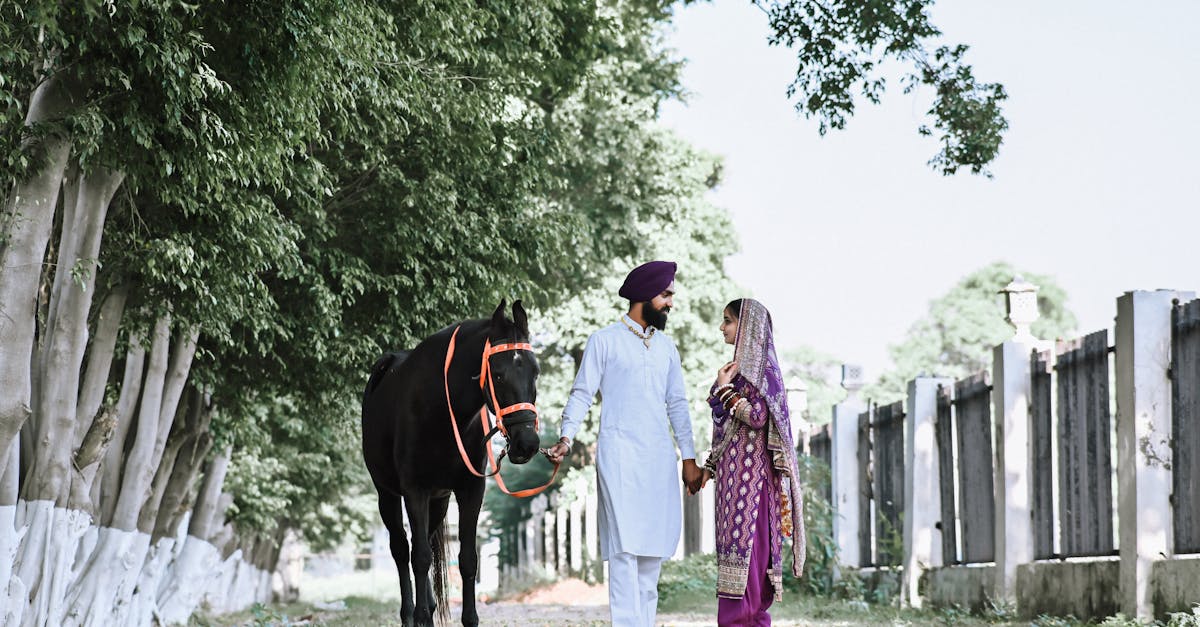
A Sacred Bond: Inside the Rich and Diverse Wedding Rituals of India
In India, a wedding isn’t just a union of two souls—it’s a celebration of families, traditions, and timeless values passed down generations. From vibrant turbans in Rajasthan to the serene temple vows in South India, every region brings its unique colors, customs, and culture to the sacred bond of marriage. This article pays homage to the breathtaking diversity of Indian wedding rituals, with an affectionate lens on what makes each ceremony unforgettable.
Hindu Weddings: A Spiritual Journey of Seven Sacred Steps
Hindu weddings are deeply symbolic, rooted in Vedic traditions and ancient customs.
- Rituals & Ceremonies: The wedding revolves around the vivah sanskar, including haldi, mehndi, sangeet, and the main pheras around the sacred fire.
- Family Involvement: Every aunt, uncle, cousin, and grandparent plays a vital role, reflecting the depth of community in Hindu marriages.
- Attire: Brides wear traditional red lehengas or sarees, adorned with kundan or polki jewelry; grooms often don sherwanis with safas.
- Music & Celebrations: The sangeet is a joyful night filled with dances, songs, and happy tears. Bollywood hits and folk songs blend seamlessly.
To learn more about vibrant Hindu ceremonies, check out our collection on Hindu wedding traditions.
Sikh Weddings: The Auspicious Anand Karaj
Sikh weddings are spiritually centered around the Guru Granth Sahib and the concept of equality in marriage.
- Rituals: The Anand Karaj involves four laavaan recited as the couple circles the Guru Granth Sahib, symbolizing their spiritual union.
- Family & Community: It is a community celebration with strong emphasis on seva (service) and humility.
- Attire: Brides often wear traditional Punjabi salwar suits or lehengas in hues of pink or red; grooms wear turbans and sherwanis, often with kirpans.
- Celebrations: Bhangra and gidda dominate the dance floor. The jago night, where families dance with lit pots on their heads, is a must-experience ritual.
Discover more about Punjabi wedding traditions and the beauty of Sikh matchmaking at PunjabiRishtey.com.
Muslim Weddings: Witness the Elegance of the Nikah
Islamic weddings emphasize modesty, simplicity, and the spiritual commitment of the couple.
- Core Ceremonies: The Nikah is officiated by a Qazi, where vows are exchanged in the presence of two witnesses, followed by the walimah reception.
- Family Blessings: Elders from both sides shower blessings, and the mehr (gift) is offered by the groom.
- Wedding Wear: Brides often wear shararas or ghararas in soft pastels or bold emeralds; grooms wear sherwanis or kurtas with embroidered skull caps.
- Festivities: Traditional qawwali music, henna nights, and exchange of gifts make the celebrations memorable.
Read about Muslim wedding rituals and how families find alliances through tradition and faith.
Christian Weddings: A Promise Made Before God
Christian weddings in India blend Biblical traditions with Indian cultural aesthetics.
- Rituals: The ceremony takes place in a church with the couple exchanging vows and rings, blessed by a priest.
- Family Role: The father walking the bride down the aisle is a treasured moment of pride and emotion.
- Attire: Brides wear white gowns, veils, and pearl jewelry; grooms don black or navy suits with boutonnieres matching the bride’s bouquet.
- Celebration & Music: Choirs sing hymns, followed by dance, cake-cutting, and toasts during the wedding reception.
Explore how Christian marriage customs resonate with faith and love.
Jain Weddings: Subtle Yet Spiritually Profound
Jain marriages are serene, emphasizing vows of truth, simplicity, and lifelong companionship.
- Rituals: The pheras are performed around a sacred fire, with recitations guiding the couple in their duties toward each other.
- Attire: Brides wear elegant bandhani sarees or lehengas; grooms often wear dhotis and kurtas in auspicious ivory or saffron shades.
- Community Involvement: Jain priests play a central role, and weddings are typically simple affairs involving close friends and family only.
Get insights into Jain marriage customs and the beauty of simplicity in matchmaking.
South Indian Weddings: Where Serenity Meets Splendor
South Indian weddings—whether Tamil, Telugu, Kannada, or Malayali—stand out for their temple traditions, heartfelt rituals, and stunning silk sarees.
- Key Rituals: The Kanyadaanam and Saptapadi are central. Ceremonies often happen early in the morning with temple priests conducting elaborate pujas.
- Family Role: Elders are consulted at every step, especially during astrologically significant rituals like muhurtham.
- Attire: Brides wear Kanjeevaram or Pochampally sarees with gold temple jewelry. Grooms don traditional veshti and angavastram.
Visit our post on South Indian wedding customs for more cultural gems and planning inspiration.
Regional Wedding Highlights: Unity in Diversity
Bengali Weddings: Marked by the shubho drishti moment, conch shell sounds, and the bride’s white mukut—Bengali weddings are intimate and artistic.
Gujarati Weddings: Garba and preeti bhoj meals highlight family bonding. The pastel lehengas and bandhani turbans add color to every event.
Marathi Weddings: Conducted during daytime with rituals like Antarpaat separating the bride and groom before exchanging garlands.
Rajasthani Weddings: Grand affairs filled with ceremonial horses, traditional ghoomar dance, safa bandhai, and vibrant folk music.
Read our regional guides like Bengali bridal culture or Gujarati rituals to explore more traditions by state.
Feast & Flavors: Indian Wedding Cuisine
No Indian wedding is complete without a lavish spread that delights every generation.
- North Indian Cuisine: Rich curries like paneer butter masala, dal makhani, naan, and chole bhature adorned with lassi or jalebi.
- South Indian Delights: Banana leaf meals featuring dosa, sambhar, payasam, and coconut-rich gravies draw long communal lines.
- Desserts: From rasgulla in Bengal to shrikhand in Maharashtra, desserts spread joy across ceremonies.
Don’t forget the honeymoon planning that follows—whether it’s Himachal’s serenity or Kerala’s houseboats, love continues after the rituals.
Planning & Ritual Checklist
Here’s your essential Indian wedding checklist:
- Fixing engagement date with family astrologer or priest
- Selecting venue based on traditions (temple, gurdwara, mosque, church)
- Finalizing guest list and family duties
- Outfit shopping with cultural guidance for both sides
- Ensuring rituals like roka, tilak, muhurat are correctly performed
Get comprehensive checklists and guides from our wedding planning section.
Conclusion: Celebrating Love Through Indian Traditions
Indian weddings are more than visual splendor—they are emotional testaments to heritage, family bonding, and the sacred promise of eternal companionship. As the joyful beats of a dhol lead into a tearful vidai, families become one and hearts find home. Find your perfect life partner at PunjabiRishtey.com and let your wedding be a poem of love and legacy.
Leave a Reply