Blog

  • From Phulkari to Pheras: The Colorful Journey of Punjabi Weddings in India

    image text

    From Phulkari to Pheras: The Colorful Journey of Punjabi Weddings in India

    In India, weddings are not just an event—they’re an emotional symphony of love, family, and deep-rooted traditions. Among the most vibrant of them all, Punjabi weddings stand out for their electrifying energy, colorful rituals, and larger-than-life celebrations. From the joyful beats of the dhol to the timeless customs passed through generations, the Punjabi wedding experience is a whirlwind of emotions, traditions, and unforgettable memories.

    Pre-Wedding Celebrations Filled with Culture

    Punjabi weddings kick off days before the actual ceremony with an array of pre-wedding rituals that are as joyous as the wedding itself.

    • Roka and Thaka: The first formal step where both families meet, marking the beginning of wedding preparations.
    • Mehendi & Sangeet: The bride’s hands are adorned with henna, while loved ones dance and sing traditional Punjabi songs.
    • Chooda Ceremony: The bride wears red and white bangles blessed by elders, believed to bring prosperity.

    These events are moments of bonding, laughter, and anticipation. Family involvement is immense, with elders leading rituals and the younger generation infusing modern ideas into age-old customs.

    The Big Day: Anand Karaj and Emotional Vows

    The central ceremony in a Punjabi Sikh wedding is the Anand Karaj, which takes place in a Gurdwara. The spiritual aspect includes:

    • Reading of Shabads (hymns) to bless the couple.
    • Lavan Phere: The bride and groom walk around the Guru Granth Sahib four times, representing different stages of married life.

    In Hindu Punjabi weddings, the Pheras around the sacred fire add another layer of spiritual connection.

    The wedding attire is a feast for the eyes—brides in Lehenga or Patiala suits with Phulkari dupattas, and grooms in regal sherwanis with matching turbans. Traditional gold jewelry, kaleeras, and hand-embroidered garments complete the look.

    Music, Dance, and Community Celebration

    No Punjabi wedding is complete without the rhythmic energy of the Punjabi dhol and the joy of Bhangra and Gidda performances. Community members from all ages participate in the celebration, reflecting the Punjabi spirit of togetherness.

    If you’re planning your own wedding, be inspired by our guide to Punjabi wedding traditions, from music roots to modern-day interpretations.

    Weddings Across Indian Cultures: A Diverse Celebration

    North Indian Hindu Weddings

    These typically span several days and include vibrant rituals like Haldi, Mehendi, and Baarat. Pheras around the holy fire and the Mangalsutra ceremony seal the spiritual bond. Bright lehengas, loud Bollywood beats, and flavorful spreads make North Indian weddings unforgettable.

    Check out more on Traditional Hindu marriages to explore these captivating customs.

    South Indian Weddings

    Held usually at dawn, South Indian weddings exude serenity and sanctity. The rituals are deeply connected to Vedic traditions. Brides wear Kanjeevaram sarees and temple jewelry, while the grooms don silk dhotis. The mangalsutra tying ceremony is the emotional highlight.

    Our South Indian weddings category shows just how spiritually grounded and beautiful they are.

    Muslim Weddings (Nikah Ceremony)

    Centered around the sacred Nikah, a Muslim wedding is a graceful blend of faith and love. The Maulvi conducts the ceremony in the presence of family. Traditional attire includes sherwanis and Sharara or Farshi Gharara with dupatta draped elegantly. Emotional moments include the signing of the Nikah Nama and the Rukhsati farewell.

    Explore more on Muslim matrimony traditions and the beauty within.

    Christian Weddings

    Typically held in churches, the bride walks down the aisle in a flowing white gown while the groom wears a formal tuxedo or suit. The ceremony includes exchanging vows and rings, and a Biblical sermon. Emotional performances of hymns uplift the atmosphere.

    Visit our Christian wedding section for heartwarming real wedding stories.

    Bengali, Gujarati, and Other Regional Traditions

    • Bengali Weddings: The bride enters hiding her face under betel leaves, and the couple performs Saat Paak and Shubho Drishti before sacred vows.
    • Gujarati Weddings: Marked by Garba nights, Mandap Mahurat, and the unforgettable Mangal Pheras around the agni, symbolizing union.

    Read rich insights into Bengali wedding rituals and Gujarati wedding traditions.

    Feasting & Flavors: A Culinary Celebration

    No matter the region, Indian weddings are synonymous with food! Grand buffets offer dishes from spicy chaats and paneer tikkas to creamy biryani and regional sweets like Gulab Jamun and Rasgulla. Community-style dining is a heartfelt way to bond during the celebration.

    • Punjabi menu: Butter chicken, Amritsari kulchas, dal makhani with lassi.
    • South Indian flavors: Idli, dosa, sambhar served on banana leaves.
    • Bengali cuisine: Fish curry, shorshe ilish, and mishti doi.

    Each feast ends with towering dessert counters and hot beverages in the cold night — signaling gourmand joy and cultural pride.

    Honeymoon Planning & Wedding Checklist

    • Choose honeymoon dates post-wedding rituals like Griha Pravesh and reception.
    • Plan essentials: Passports, hotel bookings, weather-appropriate clothes.
    • Wedding Ritual Checklist:
      • Fix dates with priest or calendar.
      • Book venues, DJs, caterers.
      • Print invites and finalize guest list.
      • Arrange for rituals and return gifts.

    Discover more about rituals and ceremonies in our detailed wedding checklists section.

    Conclusion: Weddings as Sacred Unions of Soul and Culture

    Across India’s diverse regions and religions, one emotion binds all weddings: love and togetherness. Whether it’s a Sindhi saath pheras or a church vow, every wedding is a promise rooted in tradition, celebrated with joy, and blessed by family. At PunjabiRishtey.com, we honor every culture and guide those in search of a meaningful partnership.

    Find your perfect life partner on PunjabiRishtey.com.

  • Sacred Vows & Desert Drums: Exploring Rajasthani Wedding Traditions Packed with Color, Culture & Royal Grace

    image text

    Sacred Vows & Desert Drums: Exploring Rajasthani Wedding Traditions Packed with Color, Culture & Royal Grace

    There’s something magical about Rajasthani weddings — a fusion of desert grandeurs, royal customs, and centuries-old rituals. When two souls unite amid camels, folk melodies, and vibrant ghagras under a starry sky, it’s not just a marriage — it’s a cultural saga. In this article, we invite you to explore the rich and regal traditions of a Rajasthani shaadi, along with glimpses of how weddings across India celebrate love through rituals, attire, flavors, and family.

    Rajasthani Wedding Traditions: Where Royalty Meets Ritual

    1. Pre-Wedding Celebrations: Roka, Ganpati Sthapana & Pithi Dastoor

    The Rajasthani wedding begins with sacred blessings during the Roka ceremony, followed by Ganpati Sthapana — inviting Lord Ganesha to remove all obstacles. The Pithi Dastoor, where a turmeric paste is applied, is a cheerful event dipped in laughter and folk songs, much like the Haldi in Punjabi weddings.

    2. Wedding Attire & Jewelry

    Rajasthani brides wear richly embroidered lehengas with gota-patti work, paired with heavy jewelry like borla (head ornament), bajubandh (armlet), and nathni. Grooms wear resplendent safa (turban) and sherwanis, often layered with sword and kamarbandh — symbolic of valor and heritage.

    3. Main Ceremonies: Panigrahan & Phere

    The rituals commence with Panigrahan, where the groom holds the bride’s hand, affirming companionship. Followed by the seven sacred pheras around the holy fire — each vow, a promise for life. The emotional beauty of these moments is echoed across cultures, from the South Indian Saptapadi to Bengali Saat Paak.

    4. Folk Music & Dance

    From Kalbeliya dance to the soulful tunes of Manganiyar musicians, a Rajasthani wedding resounds with traditional rhythms. Women perform Ghoomar, a graceful dance in circular movements, while dhol-thumping festivities carry on through the night.

    5. Post-Wedding: Bidaai & Grihapravesh

    The Bidaai in Rajasthan is especially emotional, often accompanied by the haunting tunes of ‘Padharo Mhare Des’. As the bride enters her new home, the Grihapravesh ceremony welcomes her with aarti, rice-pushing ritual, symbolizing prosperity — a gesture observed in Maharashtrian and Gujarati weddings too.

    Weddings Across Indian Cultures

    Hindu Weddings

    Centered on Vedic rituals, Hindu weddings feature sacred fire, mantras, and familial blessings — from Kanyadaan to Mangalsutra & Sindoor. Each region adds its flavor — the Tamil Brahmin rituals differ from the vibrant customs in North India.

    Sikh Weddings (Anand Karaj)

    In Sikh traditions, the wedding or Anand Karaj takes place in a Gurudwara. The couple circumambulates Guru Granth Sahib, not fire, symbolizing divine guidance in marriage. The bride usually wears a red salwar-kameez with chooda and kalire, while the groom dons a sherwani, turban, and kirpan — a spiritual sword.

    Muslim Weddings

    A Muslim wedding, or nikah, is a serene yet joyous occasion. After the official signing of the nikah, lavish wazwan-style food, Sufi songs, and mehndi ceremonies are key highlights. The bride typically wears a sharara or gharara with intricate embellishments.

    Christian Weddings

    Under the solemn vow exchange, a Christian bridal ceremony evokes grace and divinity. With a white gown, veil, and bouquet, the bride walks down the aisle to church bells. In regions like Kerala, the Syro-Malabar Christian weddings hold unique customs and community feasts.

    Jain, Buddhist, and Parsi Weddings

    • Jain weddings emphasize simplicity and spiritual vows, often void of non-vegetarian food, alcohol, or loud music.
    • Buddhist ceremonies are serene with chantings and blessings from monks — focusing on spiritual unity.
    • Parsi weddings like the Achumichu ceremony include beautiful rituals using milk, eggs, dates, and coconut, symbolizing purity and prosperity.

    Tribal & Regional Shaadis

    Tribal communities in Jharkhand, Odisha, and Northeast India conduct weddings grounded in nature, folklore, and community gatherings. The Bodo tribe or Santhal weddings reflect love as a communal, earthy, and sacred act.

    The Feast of a Lifetime: Indian Wedding Cuisine

    No Indian wedding is complete without a grand feast. In Rajasthan: dal baati churma, gatte ki sabzi, and ker sangri uplift the local palate. Across states, you’ll find:

    • Wazwan in Kashmir
    • Chettinad thalis in Tamil Nadu
    • Mishti doi and ilish in Bengali weddings
    • Gujarati farsan and sweets

    Community dining, banana-leaf meals, lavish buffets, or sit-down thalis — every culture adds its unique food stamp. Sweets like ghewar, laddoos, rasgullas, and firni are shared with love and blessings.

    The Wedding Checklist You Need

    • Pre-wedding rituals and dates finalized
    • Venue selection matching cultural decor
    • Traditional attire sourced locally or customized
    • Family roles and customs confirmed
    • Catering to match regional food
    • Music and entertainment ready: DJ, folk artists, or traditional musicians
    • Invitations respecting cultural tones
    • Photography to capture rituals & emotions
    • Honeymoon planning post-rituals

    Honoring Love Through Culture

    Weddings in India aren’t just unions; they are ancient echoes wrapped in flowers, fire, music, and food. Understanding each cultural thread — be it the royal grace of Rajasthan, the harmony of Sikh Anand Karaj, or the spiritual calm of Buddhist traditions — enriches your journey into marriage.

    And when you’re ready to take that step toward your forever, let it be with someone who understands the essence of your roots. Find your perfect life partner on PunjabiRishtey.com.
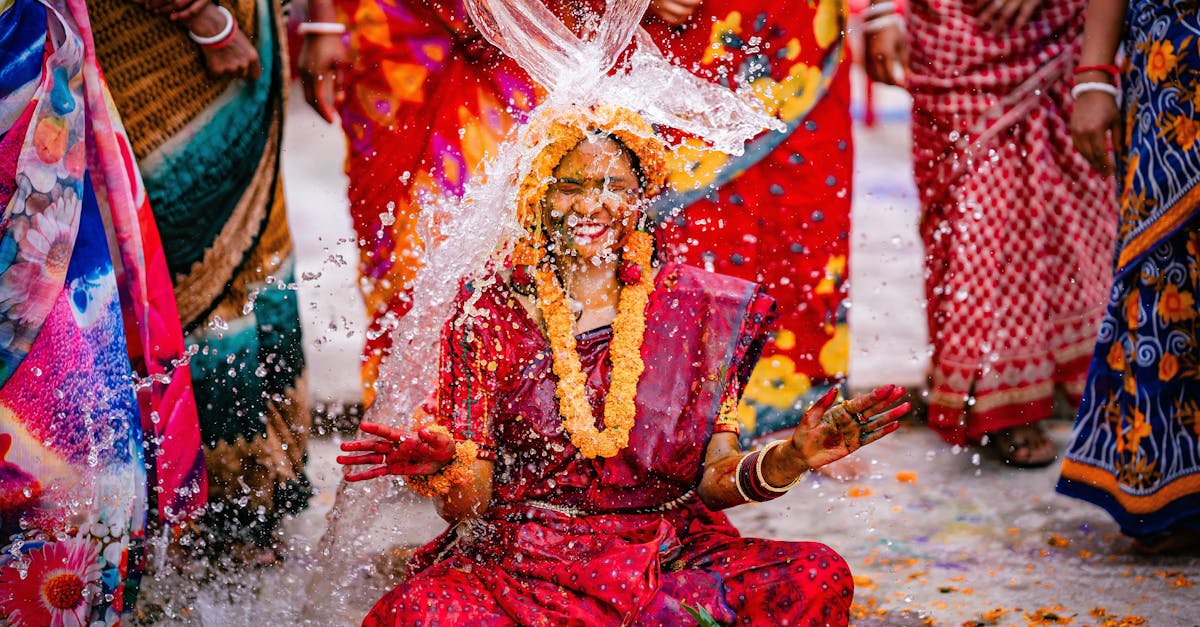
  • A Journey Through Indian Wedding Rituals: From Sacred Vows to Vibrant Celebrations

    image text

    A Journey Through Indian Wedding Rituals: From Sacred Vows to Vibrant Celebrations

    Indian weddings are not just ceremonies—they are soulful journeys woven with age-old traditions, heartfelt family emotions, vibrant colors, and spiritual depth. Spanning across faiths and regions, every Indian wedding is a glorious tapestry of rituals, music, food, and togetherness that celebrates not just the couple, but the merging of two families.

    Hindu Weddings: The Sacred Fire and Seven Vows

    Hindu weddings are deeply spiritual, guided by Vedic scriptures and marked by symbolic rituals. The ‘Saptapadi’—seven steps around the sacred fire—symbolizes a couple’s eternal commitment. Families play a crucial role from the Kanyadaan to the Bidaai, making it a heart-touching affair.

    • Rituals: Ganesh Puja, Haldi, Mehendi, Sangeet, Baraat, and Saat Phere
    • Attire: Brides wear red or maroon lehengas, while grooms adorn sherwanis with turbans
    • Celebration: Music and dance are central—Sangeet sets the tone for joy
    • Emotions: The emotional climax is often seen during the farewell bidaai
    • Explore more Hindu ceremony elements in our Hindu wedding traditions section

    Sikh Weddings: The Anand Karaj

    The Sikh wedding ceremony, known as Anand Karaj, is both simple and spiritual, conducted in the Gurdwara amidst Gurbani recitations. The family extends hospitalities with grace and pride through various pre and post-wedding customs.

    • Key Rituals: Roka, Chunni, Kurmai (engagement), and Laavaan (main ceremony)
    • Family Role: Strong sense of community and respect for elders
    • Attire: Brides may wear phulkari dupattas, grooms choose elegant turbans and churidar-kurta
    • Celebrations: Bhangra and Gidda light up the Sangeet nights
    • Discover regional insights at our Punjabi wedding traditions page

    Muslim Weddings: The Graceful Nikah

    Muslim weddings are known for their elegance and sacredness. The Nikah ceremony binds bride and groom through mutual consent, conducted by a Qazi and witnessed by family elders.

    • Pre-wedding: Istikhara (prayer), Manjha (turmeric ceremony), Mehendi night
    • Main Rituals: Nikah and Ijab-e-Qubool, followed by Walima (reception)
    • Attire: Heavily embroidered lehengas, sherwanis, and sometimes sheraras
    • Music and Decor: Subtle and graceful, focusing on family and closeness
    • Explore more in our curated Muslim wedding traditions

    Christian Weddings: Western Elegance Meets Indian Zeal

    Christian weddings combine Western rituals with Indian flavors. Held in churches, these weddings are soulfully serene yet celebratory.

    • Key Ceremonies: Bridal march, exchange of vows and rings, and blessings from the priest
    • Family Role: Active participation in the choir, planning, and prayers
    • Attire: The bride’s white gown symbolizes purity; the groom dons a formal suit
    • Celebration: Cake cutting and ballroom dances follow the holy ceremony
    • Learn more in our Christian wedding collections

    Jain and Buddhist Weddings: Minimalist and Meaningful

    Jain and Buddhist weddings are known for their simplicity and introspective rituals. Deeply spiritual, they emphasize purity and harmony.

    Jain Weddings

    • Rituals: Lagan Lekhan, Phere, and Kanyavaran
    • Outfits: Modest traditional wear in white, cream or pastel
    • Family Tradition: Strong focus on ancestral rituals

    Buddhist Weddings

    • Rituals: Ceremonial prayers, blessing by monks, recitation of Buddhist chants
    • Cultural Touch: Torans and lotus motifs used in decor
    • Read about serene wedding choices at Jain & Buddhist wedding highlights

    Regional Colors: North to South, East to West

    South Indian Weddings

    Held in temples or mandapams, these weddings are marked by the sacred Kashi Yatra, Mangalya Dharanam, and Nadaswaram music. Brides glitter in Kanjeevaram sarees; grooms wear dhotis.

    Gujarati Weddings

    From Gol Dhana to Pheras, Gujaratis celebrate through Garba nights and colorful traditions. The bride wears panetar saree, while the groom may wear a kediyu-churidar combo.

    Bengali Weddings

    Rituals like Shubho Drishti, Mala Bodol, and Sindoor Daan make Bengali weddings intricate and culturally rich. The bride wears a red-and-white saree paired with a ‘mukut’.

    Kashmiri and Rajasthani Weddings

    Kashmiri weddings involve rituals like Livun and Wanvun, set to folk songs. Rajasthani weddings showcase royal grandeur with rituals like Pithi Dastoor and varmala under traditional torans.

    Continue exploring cultural weddings via our South Indian weddings and royal Rajasthani traditions.

    Feasting Together: The Soul of Indian Celebration

    Food is the unsung hero of Indian weddings. From lavish Punjabi buffets to Kerala’s Sadhya served on banana leaves, cuisine reflects regional identity and festivity.

    • North Indian: Butter chicken, dal makhani, chaat counters
    • South Indian: Dosa stalls, sambhar-rice, filter coffee
    • East Indian: Biryani, luchi-alur dom, rasgulla
    • West Indian: Dhokla, undhiyu, Malpua
    • Desserts: Besan ladoos, gulab jamun, jalebi-fafda

    Wedding meals are often served in community style, enhancing togetherness and gratitude. Don’t forget to explore our guide on wedding food traditions.

    Honeymoon Planning & Ritual Wrap-Up

    • Post-wedding rituals: Griha Pravesh, reception, and blessings from elders
    • Planning tips: Create a checklist including budget, guest list, rituals, outfits, and honeymoon destinations
    • Trending Honeymoon Picks: Kerala backwaters, Himachal hills, Maldives, and Goa

    Conclusion: Where Traditions Meet Matchmaking

    Indian weddings are timeless expressions of love, culture, and family unity. Every custom, from tying the mangalsutra to stepping into a new home, echoes the emotional voyage from being an individual to becoming part of a lifelong partnership.

    Ready to begin your own journey of love? Find your perfect life partner on PunjabiRishtey.com—where matches are made with both heart and heritage.

  • Sacred Threads: A Cultural Tapestry of Indian Wedding Rituals Across Regions & Religions

    image text

    Sacred Threads: A Cultural Tapestry of Indian Wedding Rituals Across Regions & Religions

    In India, marriage is not merely the union of two individuals — it’s a kaleidoscope of rituals, emotions, family bonds, and centuries-old traditions. From the chants of Vedic mantras in Hindu weddings to the soulful hymns in Christian ceremonies, every Indian wedding reflects the sacred values of love, respect, and togetherness. Let’s embark on a soulful journey through the vibrant customs of Indian matrimony, celebrating the spirit of unity in diversity.

    Hindu Weddings: A Symphony of Rituals and Family Blessings

    Heartbeat of Tradition

    Hindu weddings are elaborate affairs woven through multiple sacred ceremonies. Beginning with Roka or Engagement, moving to Haldi, Mehndi, Sangeet, and culminating in the Vivah Sanskar under the mandap, each step sanctifies the bond of two souls.

    • Seven pheras around the holy fire represent vows of lifelong togetherness.
    • Family elders bless the couple with rice, flowers, and sacred verses.
    • Attire includes the traditional red lehenga for brides and sherwani for grooms, accentuated with jewelry blessed by elders.
    • Explore more about Hindu wedding symbolism

    Sikh Weddings: Anand Karaj with Spiritual Elegance

    A Commitment of Soulful Togetherness

    Sikh marriages are conducted in the Gurudwara, usually in the morning. The central event is the Anand Karaj, meaning “blissful union.”

    • The couple circumambulates the holy Guru Granth Sahib during the four Laavaan hymns.
    • Attire is vibrant — brides opt for phulkari dupattas, while grooms wear turbans and ornate achkans.
    • Langar (community feast) reflects equality, humility, and love.
    • Discover Punjabi wedding traditions in depth

    Muslim Weddings: Nikah and the Beauty of Sacred Consent

    Elegant Simplicity with Deep Devotion

    The cornerstone of a Muslim wedding is the Nikah, a contract-based ceremony rich with Islamic values and spiritual significance.

    • The bride and groom give verbal consent in front of Maulvi and witnesses.
    • Mehr (a monetary gift from groom to bride) is agreed upon.
    • Women wear traditional shararas or lehengas, usually in shades of emerald or pastel. Men don sherwanis or pathani suits.
    • Learn rituals of a beautiful Nikah ceremony

    Christian Weddings: Church Bells and Eternal Vows

    White Love amidst Chapel Blessings

    Christian weddings are often short but deeply emotional. From walking down the aisle to exchanging vows under a crucifix, these ceremonies echo love and grace.

    • Wedding masses are solemnized by pastors, followed by the exchange of rings.
    • Attire includes white gowns for brides and suits/tuxedos for grooms.
    • Reception includes bouquet toss, couple’s first dance, and heartfelt toasts.
    • Read more about Christian weddings in India

    Jain Weddings: Sacred Simplicity and Devotion

    Jain weddings emphasize simplicity and spiritual purity. The rituals include Lagna Lekhan, Phere, and Granthi Bandhan.

    • All dietary offerings are strictly vegetarian and devoid of onion, garlic, or root vegetables.
    • Bridal attire is often a pastel saree, while grooms wear clean, minimalist clothing.
    • Every ritual honors non-violence and inner purity.
    • Dive into Jain wedding traditions

    Buddhist Weddings: Harmony and Simplicity

    Buddhist weddings are serene and spiritual, often taking place at monasteries or homes. Monks chant blessings, and the couple takes vows for a compassionate life journey.

    • Focus is on mental unity, not just physical rituals.
    • No loud music — instead, peace chants and incense fill the ambiance.
    • Attire is simple — saffron, white or light-hued traditional garments.

    Parsi Weddings: Laughter, Prayers & Lagan Nu Custard

    Parsi weddings, known as Lagan, are both joyful and sacred. The Achoo Michoo ritual to ward off evil is adorable and deeply meaningful. The priest ties sacred threads around the couple, with fire and divine chants blessing the union.

    • Attire includes white saree with red borders for brides; black suits for grooms.
    • Heavy community involvement, singing of traditional songs, and blessing rituals.

    Regional Weddings: India’s Diverse Hearts

    North Indian Weddings

    Lavish destination weddings, royal baraats, grand mandaps — they reflect opulence and emotion. Explore North Indian matrimonial grandeur.

    South Indian Weddings

    Temple bells, kanjeevaram sarees, jasmine garlands — deeply rooted in spiritual legacy. Learn about South Indian customs and ceremonies.

    Bengali Weddings

    With unique rituals like Shubho Drishti and Alpona designs, Bengali weddings are rich in color and meaning.

    Rajasthani & Gujarati Weddings

    Full of vibrant dance like Garba and Ghoomar, extravagant lehengas, and joint-family involvement.

    Checklist for Every Indian Wedding Ritual

    • Book venues and pandits/priests early
    • Select wedding attire and jewelry with families
    • Plan invitations and gift packaging
    • Coordinate mehndi, sangeet, haldi, and main ceremony dates
    • Arrange music, dhol, live performers if needed
    • Download our full Indian wedding planning checklist

    Wedding Food: The True Celebration

    From biryanis to barfis, Indian weddings are a glorious feast. Community meals bring everyone to a shared table.

    • North India: Butter chicken, chole bhature, jalebi, lassi
    • South India: Banana-leaf sadya, filter coffee, payasam
    • East India: Luchi, kosha mangsho, rasgulla
    • West India: Dhokla, fafda, shrikhand
    • Muslim Weddings: Nalli nihari, kebabs, sheermal

    Sweets like motichoor laddoos and laddoo gopal offerings bless unions with sweetness.

    Honeymoon & Post-Wedding Rituals

    • Griha Pravesh: Welcoming the bride into the new home
    • Mooh Dikhai: Family gifting and welcoming the bride
    • Planning a spiritual honeymoon to places like Kerala, Himachal, or Jaipur
    • Explore top Indian honeymoon destinations

    Conclusion: Binding Hearts, Blessing Generations

    Weddings in India are not just events — they are emotional landscapes where music, devotion, and family come together to honor the sacred journey of life partners. Each ceremony, whether whispered in a temple or sung in a cathedral, carries the voice of ancestors, the hopes of parents, and the love that unites two souls for eternity.

    Find your perfect life partner on PunjabiRishtey.com — where tradition meets trust.

  • South Indian Wedding Traditions: A Soulful Celebration of Culture, Rituals & Eternal Love

    image text

    South Indian Wedding Traditions: A Soulful Celebration of Culture, Rituals & Eternal Love

    South Indian weddings are a heartwarming celebration of faith, family, and age-old customs. Rooted in centuries of tradition, these grand affairs are an intricate tapestry of divine rituals, soulful music, ancestral blessings, and vibrant displays of love. Whether it’s the auspicious Muhurtham or the sacred Kanyadaanam, South Indian weddings beautifully bridge the past and the future — blessing every couple with a lifelong bond shaped by heritage.

    Timeless Rituals across South India

    1. Tamil Brahmin Weddings (Iyer & Iyengar)

    Known for their Vedic sanctity and serene grace, Tamil Brahmin weddings begin days in advance with pre-wedding rituals like Panda Kaal Muhurtham (seeking divine blessings) and Vratham (fasting and prayers).

    • Key Rituals: Main rituals include Oonjal (swing ceremony), Kanyadaanam, Mangalya Dharanam
    • Traditional Attire: Brides wear temple-jewelry embellished Kanjeevaram sarees while grooms don a white veshti and angavastram.
    • Family Role: Elders chant Vedic mantras and guide rituals with sacred fire and offerings.
    • Cultural Beauty: Every ceremony echoes discipline, devotion, and dharma.
    • Explore more about Hindu wedding traditions and their significance on PunjabiRishtey.

    2. Kerala Nair Weddings

    Minimalistic yet meaningfully elegant, Kerala Nair weddings focus on spiritual harmony. The rituals are short but rich with cultural expression.

    • Main Rituals: Nischayam (engagement), Kanyadaanam, and tying the Thali.
    • Attire: Off-white Kasavu sarees for the bride and mundu for the groom reflect simplicity and tradition.
    • Musical Touch: Panchavadyam drummers and nadaswaram set a celebratory tone.
    • Family Involvement: Both families closely engage in arranging and executing every detail.

    3. Telugu Weddings (Andhra Pradesh & Telangana)

    Full of symbolism and high energy, Telugu weddings are uniters of families and customs.

    • Main Rituals: Snathakam, Kashi Yatra, Mangala Snanam, Madhuparkam, and Saptapadi.
    • Wedding Attire: Brides wear gold-stitched silk sarees, while grooms wear dhoti with upper cloth.
    • Cultural Values: Strong emphasis on bhakti, family elders, and prosperity.
    • Music & Fun: Telugu weddings feature classical performances and joyful play in Talambralu where the bride and groom shower each other with rice.
    • Read more on South Indian marriage traditions at PunjabiRishtey.

    4. Kannada Weddings (Karnataka)

    Kannada weddings are known for their devotional music, dignified rituals and timeless grace.

    • Main Ceremonies: Nischay Tamulam (engagement), Kashi Yatra, and Dhare Herdu (transfer of responsibility).
    • Wedding Dress: Mysore silk sarees for brides paired with traditional gold jewelry; grooms wear white dhoti and silk shirt.
    • Family Values: Strong community gatherings and elder blessings are central.
    • Pre-Wedding: Haldi celebration with turmeric, family songs, and joyful dancing.

    The Soul of Every Wedding — Food & Celebrations

    If rituals are the heart of South Indian weddings, food is the soul. Traditional feasts served on banana leaves bring families and communities together.

    • Regional Delicacies: Sambar, Rasam, Avial, Pongal, Puliyodarai, and Payasam are staples, each with a sacred purpose.
    • Feast Style: The grand Sadya meal is served during lunchtime post-wedding, signifying unity and gratitude.
    • Sweets & Celebration: Coconut laddoos, Mysore Pak, Ariselu, and Obbattu highlight regional flavors.
    • Community Dining: Guests dine together seated cross-legged — a mark of respect and equality.

    Honeymoon & Post-Wedding Planning

    • Traditional Grihapravesham (bride’s first entry) is emotionally rich and religiously symbolic.
    • Modern couples prefer serene destinations in Kerala, Coorg, or Ooty for honeymoons post lavish weddings.

    Checklist for South Indian Wedding Planning

    • Book your Muhurtham (auspicious date) based on priest’s consultation.
    • Fix wedding venue and get caterers well in advance.
    • Shop for Kanjeevaram sarees, gold jewelry, and traditional attire.
    • Organize musical arrangements — Nadaswaram, Panchavadyam, or temple music.
    • Plan accommodation and transport for guests in advance.
    • Schedule all pre-wedding rituals leading up to Saptapadi and Thali tying.
    • Visit our wedding checklist section for more tips to plan your big day.

    Conclusion: A Journey Rooted in Heart & Heritage

    South Indian weddings resonate with deep ancestry and divine purpose. With every Vedic chant and every step around the sacred fire, two lives and families merge in profound unity. These soul-stirring ceremonies are more than celebrations — they are sacred promises that carry forward centuries of love and culture. For those seeking a life partner who cherishes tradition as much as love, marriage matchmaking platforms like PunjabiRishtey.com offer meaningful connections tailored around values and family roots. Find your perfect life partner on PunjabiRishtey.com.

    Don’t miss diving into the soulful elegance of Tamil Brahmin ceremonies or the gentle grace of Kerala Nair rituals — each a celebration of love under the South Indian sun.

  • South Indian Wedding Traditions: A Sacred Symphony of Culture, Love, and Rituals

    image text

    South Indian Wedding Traditions: A Sacred Symphony of Culture, Love, and Rituals

    When it comes to Indian marriages, South Indian weddings stand apart with their serene rituals, spiritual depth, and unwavering family values. A celebration not just of two hearts, but of ancestral customs and divine blessings — a South Indian wedding is a sacred journey etched in silk, sandalwood, and soulful chants.

    Introduction to South Indian Wedding Culture

    The southern states of India — Tamil Nadu, Kerala, Andhra Pradesh, Telangana, and Karnataka — each bring with them a rich tapestry of nuptial traditions. Despite regional nuances, the essence of purity, divine sanctity, and family unity remains the common thread.

    Tamil Hindu Weddings: A Vow Amidst Sacred Fire

    Traditional Rituals

    • Kashi Yatra: The groom pretends to renounce worldly life, only to be stopped by the bride’s father — a playful yet philosophically significant ritual.
    • Muhurtham: An auspicious moment chosen by astrologers for sacred vows.
    • Saptapadi: The seven steps around the fire symbolize a lifetime of togetherness.

    Wedding Attire & Symbolism

    Brides adorn bright Kanjivaram sarees with heavy gold jewelry, while grooms wear a silk veshti and angavastram. Every drape carries ancestral pride and regional grandeur.

    Family Roles

    Both families play active roles — especially the maternal uncle, who ties the thaali (mangalsutra) knot during the Mangalyam Dharanam. This emphasizes the broader communal blessings in the union.

    Want to understand how Hindu wedding rituals differ across states? Browse our insightful guides.

    Malayali Nair Weddings: Simplicity Wrapped in Spirituality

    Essential Rituals

    • Nischayam: The formal engagement.
    • Muhurtham: The short but sacred nuptials, often conducted in temples.
    • Sadhya: A grand feast marking the blessing of the union.

    Attire & Modesty

    Brides usually don white kasavu sarees with gold borders. Grooms wear matching white mundu and shirt, exuding simplicity and grace. The accessories celebrate authenticity over extravagance.

    Cultural Highlights

    This wedding is usually short, spiritual, and less ostentatious — where the true beauty lies in how rooted it remains in heritage. Explore more about South Indian wedding customs here.

    Kannada Weddings: Graceful Symbols and Family Blessings

    Signature Rituals

    • Naandi: Pre-wedding ritual to seek ancestral blessings.
    • Kashi Yatra & Dev Karya: Significant moments that blend stories, spirituality, and familial pride.
    • Saptapadi & Arundhati Nakshatra Darshanam: A ritual where the couple sees the star, a symbol of marital virtue.

    Attire & Emotional Moments

    The Kannada bride dazzles in silks dyed with turmeric and mehendi hues, while the groom wears a white dhoti and turban. Melodious devotional Carnatic music fills the air, enhancing sacred emotions.

    Find similar emotional traditions in traditional Indian weddings.

    Telugu Weddings: An Enchanting Mix of Drama and Devotion

    Key Ceremonies

    • Jeelakarra Bellam: A paste smeared on the couple’s heads symbolizing unbreakable union.
    • Talambralu: The symbolic rice shower — joyful, colorful, and full of laughter.

    Rituals & Family Dynamics

    Every Telugu wedding revolves around Gotralu (lineage), ensuring deep ancestral respect. The maternal uncle, again, plays a pivotal role during the sacred knot-tying.

    If lineage and traditions touch your heart, explore real stories on matchmaking journeys on PunjabiRishtey.

    Musical Celebrations & Dance

    Unlike North Indian weddings dominated by DJ nights, South Indian weddings favor devotional music, nadaswaram, and classical dances. In Tamil and Telugu weddings, Bharatnatyam or Kuchipudi performances uplift the spiritual air. The cultural ethos values rhythm, harmony, and tradition.

    Food & Feast: South India’s Sumptuous Wedding Spread

    Feasting is a divine ritual in South Indian weddings. The iconic banana leaf meal (Sadya) features:

    • Sambar, rasam, aviyal, thoran for Keralites
    • Puliyodarai, vathakulambu, pachadi in Tamil weddings
    • Pesarattu, gongura, biryani for Telugus
    • Bisi bele bath & Mysore pak in Kannada traditions

    The wedding feast is enjoyed in silence, togetherness, and gratitude — symbolizing community bonding. Afterward, sweet indulgences of payasam, ladoos, and halwa complete the sacred meal.

    Experience more food stories in our wedding cuisine category.

    Planning Your South Indian Wedding: Complete Ritual Checklist

    • Consult astrologers for muhurtham date
    • Engagement or nischayam planning
    • Finalize temple or mandapam venues
    • Arrange ceremonial items: thaali, sarees, gold, nadaswaram band
    • Send traditional invitations with banana leaves or turmeric swirls
    • Plan honeymoon destinations with blessings from elders post-wedding

    Need help planning your ceremony? Read articles in our wedding planning section.

    Conclusion: Love Blessed by Tradition

    South Indian weddings are not just about grandeur; they embody commitments wrapped in sacred fire, silk thread, family bonds, and generational blessings. They teach us that the beauty of love magnifies when rooted in culture and shared values.

    Looking to find your life partner who cherishes tradition as much as you do? Find your perfect life partner on PunjabiRishtey.com.

  • A Soulful Journey Through South Indian Wedding Traditions: Rituals, Colors & Family Ties

    image text

    A Soulful Journey Through South Indian Wedding Traditions: Rituals, Colors & Family Ties

    Weddings in South India are more than just ceremonies—they’re a sacred bond rooted in centuries of divine tradition, family unity, and vibrant celebration. From the rhythmic beats of the nadaswaram to the crisp aroma of jasmine garlands, every step of a South Indian wedding evokes love, spirituality, and cultural pride. Whether it’s a Tamil Brahmin muhurtham or a Telugu Pellikuthuru, join us as we unravel the many layers of this enchanting matrimonial journey.

    The South Indian Wedding Essence: Unity in Diversity

    South India—with its distinct states of Tamil Nadu, Kerala, Karnataka, Andhra Pradesh, and Telangana—offers a treasure trove of wedding customs and rituals, each gracefully interwoven with regional languages, sacred chants, and family blessings. Despite the differences, core values of love, respect, and lifelong commitment unite them all.

    Tamil Weddings: Simplicity with Divinity

    Rituals & Ceremonies

    • Panda Kaal Muhurtham – A pre-wedding prayer ritual seeking divine blessings for a smooth event.
    • Kashi Yatra – A playful ritual where the groom pretends to renounce worldly life before being coaxed back by the bride’s father.
    • Muhurtham – The sacred moment when the groom ties the thaali (mangalsutra) around the bride’s neck, symbolizing marriage.

    Family Involvement & Attire

    Traditional silk sarees, especially Kanjeevarams, are passed down as heirlooms. The groom wears a veshti and angavastram. Family elders play a key role in planning and performing rituals. Explore more about Tamil wedding traditions here.

    Music & Celebrations

    Classical Carnatic music and nadaswaram echo through wedding halls, creating a spiritually uplifting atmosphere.

    Telugu Weddings: Colorful and Sacred

    Rituals & Ceremonies

    • Pellikuthuru – A turmeric-based cleansing ceremony for both bride and groom.
    • Jeelakarra Bellam – Couple places cumin and jaggery paste on each other’s heads, symbolizing unity.
    • Mangalya Dharanam – The groom ties the sacred thread around the bride’s neck as vedic chants bless the union.

    Family & Attire

    Brightly colored silk sarees, gold jewellery, and floral adornments define the bride’s attire. Relatives and friends often come together to create memorable Telugu wedding festivals.

    Celebrations

    Dance performances, traditional folk songs, and joyful processions mark the puja ceremonies and reception events.

    Kannada Weddings: Graceful and Meaningful

    • Nischay Tamulam – Engagement ceremony where horoscopes are matched and gifts exchanged.
    • Kashi Yatre and Dhara – Symbolic ceremonies involving water and fire elements.
    • Saptapadi – The sacred seven steps taken together, each signifying a marital vow.

    Kannada weddings emphasize simplicity, with the bride and groom often from Brahmin or Lingayat backgrounds. Find detailed examples in Kannada wedding rituals.

    Kerala Weddings: From Elegance to Minimalism

    Hindu Nair and Malayali Weddings

    Most Kerala weddings are conducted in the morning and follow a relatively short set of rituals. The highlight is the thalikettu—tying of the sacred gold chain. Brides wear white and gold kasar sarees, while grooms appear in minimalistic mundu. Learn more by visiting Malayali wedding stories.

    Christian and Muslim South Indian Weddings

    Christian weddings in Kerala are elegant affairs held in churches with hymns and candlelight. Brides wear white gowns or sarees, and a ring exchange is central. Muslim weddings, called ‘Nikah’ ceremonies, are marked by customs like Mehr, consent agreement, and community blessings. Families come together to celebrate these joyous events, as explored in Kerala matrimonial cultures.

    Music, Attire, Emotions & Togetherness

    Every South Indian wedding radiates a sense of divine joy and familial unity. From the intricately embroidered silk sarees to live instrumental ensembles and traditional bhajans, it’s about celebrating not just the union of two individuals, but the bonding of two families and traditions. Elders bless the couple, children join the dances, and the elderly proudly tell stories of their own union.

    Feast of Flavors: South Indian Wedding Cuisine

    No South Indian wedding is complete without an extravagant vegetarian or non-vegetarian spread served on banana leaves. From Sambar, Avial, Puliyodarai to rich Payasam, dishes vary by region but are always made with love. Tiffin counters, Kerala sadya feasts, Andhra biryanis, and temple prasadam-inspired meals leave a taste of tradition behind. Explore our wedding food guide for more delicious insights.

    Sweets and Celebrations

    Traditional sweets like Mysore Pak, Ariselu, and Ada Pradhaman are shared joyfully. Many weddings also end with planning post-wedding rituals including an emotional Grihapravesham (bride’s home entry) and dreamy honeymoons to scenic spots like Ooty or Munnar.

    Wedding Planning Checklist

    • Finalize wedding date and muhurtham with a family priest
    • Book traditional venue or temple hall early
    • Organize pre-wedding pujas and ceremonies
    • Hire classical musicians and florists
    • Plan a detailed wedding menu with vegetarian and sweets varieties
    • Shop for traditional attire and jewelry from authentic stores

    Conclusion: A Celebration of Souls and Traditions

    South Indian weddings are not just events—they’re soulful awakenings that reaffirm faith, family, culture, and love. With generations joining hands in prayer and celebration, these weddings blend dignity with joy. Whether in a sun-lit temple or a decorated mandap, love is the only language spoken.

    Find your perfect life partner on PunjabiRishtey.com and be a part of such timeless traditions.

  • A Soulful Journey Through South Indian Wedding Traditions: Rituals, Colors & Everlasting Bonds

    image text

    A Soulful Journey Through South Indian Wedding Traditions: Rituals, Colors & Everlasting Bonds

    In South Indian weddings, tradition dances hand-in-hand with devotion. Whether in Tamil Nadu’s ancient temples or Kerala’s lush backwaters, weddings are not just ceremonies; they are spiritual journeys — filled with color, culture, and centuries of heritage. These weddings are a vibrant blend of familial love, classical rituals, and aromatic feasts that celebrate not just two souls, but two families uniting in harmony.

    The Sacred Tapestry of South Indian Wedding Rituals

    1. Tamil Hindu Weddings: Sacred Fire and the Mango Leaves

    Tamil weddings are deeply rooted in Vedic rituals. The ‘Kashi Yatra’ and ‘Oonjal’ ceremony reflect family humor and bonding. The bride and groom circle the holy fire during ‘Muhurtham’ while sacred mantras are recited.

    • The groom ties the Mangalsutra (Thaali) while traditional nadaswaram music fills the air.
    • Family elders bless the couple with rice mixed with turmeric — signifying abundance.
    • Bride typically wears a Kanjeevaram silk saree with gold jewelry symbolic of prosperity.

    Want to explore more cultural richness? Check out our Tamil wedding rituals gallery.

    2. Telugu Weddings: Thread of Trust

    In Telugu-speaking families, the Jeelakarra Bellam ritual is central — where the couple places cumin and jaggery on each other’s heads, symbolizing sweet unity.

    • Family functions are spread over days with Pellikuthuru (Haldi), Mangala Snanam and Saptapadi rites.
    • The Bride dons the Navvari saree in bright hues, with jasmine flowers woven into her braid.
    • Traditional Carnatic music, veena, and mridangam serenade guests.

    Read more stories from South Indian wedding experiences.

    3. Malayali Weddings: Divine Simplicity

    Most Kerala Hindu weddings are minimalistic yet sacred affairs held in temple halls. The groom ties the Thali chain in front of the deity, and the entire ceremony concludes within 30-45 minutes.

    • White and gold sarees and mundu evoke a timeless grace.
    • The ceremonial lamp brings divine blessings from ancestors.
    • Nadaswaram orchestrates an uplifting, spiritual setting.

    See unforgettable moments in our Malayali marriage archives.

    4. Karnataka Weddings: Tradition with Elegance

    Kannada weddings emphasize family roots, where the groom’s arrival is marked with the Devkarya ritual. Brides wear ancestral heirlooms paired with detailed silk sarees.

    • Dhare Herdu is the Kannada ritual of pouring holy water over the bride’s hands as she accepts the groom.
    • Festivities often include classical Bharatanatyam or Yakshagana performances.
    • Families build emotional connections through pre-wedding events and blessings ceremonies.

    Explore what makes Karnataka weddings unique on PunjabiRishtey.com.

    Family, Faith & Community

    Across all South Indian weddings, one constant remains — the deep involvement of family. From elderly uncles arranging rituals to cousins organizing dances, the wedding becomes an intergenerational effort of love. Every offering to the fire, every turmeric-smeared hand, is dipped in blessings of generations past. You can feel this sacred connection through every ritual described in our Indian wedding rituals guide.

    Music, Dance & Celebration

    Music pulses through every South Indian wedding. From classical veena recital to boisterous folk dances during reception, every beat is connected with celebration. The Thavil drums, nadaswaram, or even devotional bhajans echo spiritual joy. And when cousins hit the dance floor? It’s a cultural fiesta of emotion and energy.

    Indian Wedding Cuisine: Feasts of Devotion

    Food is a sacred celebration across South Indian communities. Traditionally served on banana leaves, meals are multi-course delicacies:

    • In Tamil weddings: Sambar, rasam, avial, appalam, and a swathe of vegetable curries.
    • In Kerala: Sadya meals with payasam, parippu curry, and papadam steal the limelight.
    • Karnataka and Andhra offer spicy delights like bisibele bath, puliyogare, and aromatic biryanis.

    Community dining enhances warmth, as everyone eats together — reflecting unity, humility, and blessing. Learn more about traditional wedding food for your big day.

    Sweets: The Sweetest Traditions

    No wedding is complete without sweets. From Mysore Pak to Kozhukkattai, Ariselu to Unniappam, local sweets create emotional nostalgia everyone remembers forever.

    Honeymoon & Rituals Checklist

    After the whirlwind of emotions, the honeymoon is a gentle beginning. Many South Indian families combine this with a temple visit to bless the new bond. Here’s your essentials checklist:

    • Pre-wedding: Finalize venue, Mangalsutra, bridal saree, and family priest.
    • During wedding: Coordinate ceremonial timings with purohit, arrange proper seating for family rituals, music troupes.
    • Post-wedding: Plan honeymoon, family gathering, and seek blessings from family elders together.

    Download your complete wedding planning checklist.

    Conclusion: Unity in Every Ritual, Love in Every Step

    South Indian weddings are more than just an occasion — they are a lifetime woven with sacred vows, powdered turmeric, jasmine scents, and family laughter. The culture teaches us that love without roots is like music without rhythm. As you embrace tradition, may you find joy in every ritual and strength in each familial blessing.

    Ready to meet your perfect partner who shares your values and roots? Find your South Indian life partner on PunjabiRishtey.com.

  • Soulful Journeys: Exploring the Sacred Traditions of Indian Hindu Weddings

    image text

    Soulful Journeys: Exploring the Sacred Traditions of Indian Hindu Weddings

    Indian Hindu weddings are not just ceremonies — they are sacred voyages of love, family, and tradition that bind two souls and their families for eternity. Rooted in centuries-old customs, every ritual in a Hindu wedding echoes blessings, devotion, and the vibrant tapestry of culture passed from generation to generation. Whether it’s the rhythmic chants of the priest or the deep meaning behind the saat phere, these weddings celebrate the deepest values of Indian life.

    The Beauty of Hindu Wedding Rituals

    1. Pre-Wedding Ceremonies: A Colorful Prelude

    • Roka and Tilak: These are commitment ceremonies where the families formally agree to the union.
    • Mehendi: The bride’s hands and feet are adorned with intricate henna patterns, symbolizing beauty and prosperity.
    • Haldi: A turmeric paste is applied to the bride and groom by loved ones for purification and blessings.

    Families come together in joy, and each ceremony becomes an opportunity to create lifelong memories. The Hindu marriage process beautifully weaves emotion with tradition.

    2. The Grand Wedding Day: Rituals with Meaning

    • Baraat: The groom arrives in a majestic procession, often on a horse or decorated car, with music and dancing.
    • Kanyadaan: The bride’s father entrusts his daughter to the groom — one of the most emotional parts of the wedding.
    • Saat Phere: The couple circles the sacred fire seven times, making vows for love, respect, and partnership.
    • Mangalsutra & Sindoor: The groom ties a sacred thread and applies vermillion, symbolizing the beginning of their new life together.

    Attendees dress in dazzling ethnic attire—saris, sherwanis, lehengas with zari embroidery — representing the diverse richness of India. Traditional hymns and Indian wedding music such as shehnai and dhol elevate the spiritual energy of the wedding ceremony.

    Regional Variations Within Hindu Weddings

    North Indian Hindu Weddings

    Known for their grandeur and joyful dancing, North Indian weddings include rituals such as Jaimala (garland exchange) and Phera. Brides wear richly embroidered red lehengas, while grooms often don ivory sherwanis with turbans.

    South Indian Hindu Weddings

    Held predominantly during the day and anchored in temple traditions, South Indian weddings include Oonjal (swing ritual) and Kashi Yatra. Brides shine in Kanjeevaram silk while grooms wear angavastram and veshti. The ambiance is adorned with jasmine flowers and traditional Carnatic music.

    Western and Eastern Hindu Wedding Styles

    From the Maharashtrian Antarpat ritual to Bengali Shubho Drishti and Mala Bodol, Hindu weddings vary by region. Maharashtrian brides wear green saris and pearl nath, while Bengali brides grace the altar in white-red Banarasi saris with ornate mukut headgear.

    Feasting & Festivities: The Heart of Celebrations

    No Indian wedding is complete without an opulent feast. Guests dine communally on elaborate buffets or traditional banana-leaf meals. North India delights with paneer butter masala, tandoori delicacies, and jalebis, while South India offers sambar, rasam, and payasam.

    Sweets are symbols of shared joy — from laddu to gulab jamun across states. Wedding cuisine isn’t just food — it’s culture on a plate.

    Checklist for Hindu Wedding Planning

    • Find the ideal wedding mahurat (date & time)
    • Book a priest skilled in Vedic rituals
    • Select bridal and groom attire based on region
    • Organize mehendi, haldi & sangeet ceremonies
    • Prepare guest accommodations and travel logistics
    • Plan honeymoon aligned with religious permissions (often after grihapravesh post-wedding)

    Conclusion: A Celebration of Eternal Bonds

    Hindu weddings are more than sacred vows — they echo the heartbeat of families, the grace of tradition, and the hope for a joyous future. As every ritual unfolds, it’s not merely two individuals uniting—but two familial spirits sharing life’s journey.

    Want to be part of such timeless traditions? Find your perfect life partner on PunjabiRishtey.com and begin your sacred journey.

  • Sacred Vows and Cultural Bonds: A Heartfelt Look at Indian Christian Wedding Traditions

    image text

    Sacred Vows and Cultural Bonds: A Heartfelt Look at Indian Christian Wedding Traditions

    In the gentle sound of church bells and the serene fragrance of white lilies, Indian Christian weddings blend sanctity with celebration. These weddings are a reflection of deep-rooted faith, age-old customs, and close-knit family connections—making them one of the most graceful unions celebrated across India.

    Understanding the Heart of Indian Christian Weddings

    Though rooted in Christian religious beliefs, the traditions followed during an Indian Christian wedding have strong regional influences. Whether it’s a Mangalorean, Goan, Kerala Syrian or Northeast Indian Christian wedding, the rituals are performed with a beautiful mix of Western and Indian elements.

    Christian Wedding Rituals

    • Engagement & Pre-wedding Prayer: The journey often begins with an intimate engagement ceremony known as the ‘Roce’ in Mangalore or ‘Blessing Ceremony’ in North India.
    • Bridal Shower and Bachelor’s Party: Inspired by Western traditions, yet celebrated with an Indian twist.
    • Church Wedding Ceremony: Held inside a church, where the bride and groom exchange vows before a priest, with Bible readings and melodious hymns.
    • Holy Communion Rituals: Especially observed in Kerala’s Syrian Christian weddings, marking the spiritual essence of marriage.

    Family Involvement

    The bond of family plays a pivotal role. In most traditions, families unite in decision-making, planning, and rituals. Parents offer blessings, light candles during the Mass, and lead prayers, reinforcing the Christian belief in marriage as a sacrament.

    Elegant Wedding Attire

    • Bride: Typically dons a white or ivory wedding gown, symbolizing purity, often accompanied by a lace veil and a floral bouquet. In some communities like Goan Christians, she may wear a traditional white sari with a chapel veil.
    • Groom: Dresses in a formal black or white suit or tuxedo, often with a boutonnière that matches the bride’s bouquet.

    Music and Celebrations

    Live choir performances, organ melodies, and soulful hymns create a spiritually uplifting ambiance during the ceremony. The reception is usually filled with joy, laughter, and dancing—ranging from waltz to local dance forms like the Goan Fugdi and Dekhni. Wedding games and speeches add a warm, personal touch.

    Emotional and Cultural Values

    • Focus on spiritual bonding rather than material display.
    • Community blessings: extended family, friends, and church members play a big role.
    • Intimate, meaningful celebration reflecting both faith and familial love.

    Flavors of Faith: Indian Christian Wedding Cuisine

    No Indian wedding is complete without a grand feast—and Christian weddings are no exception. The menu is often a flavorful spread of local dishes and continental delights.

    • Goan Menu: Fish curry rice, pork vindaloo, sorpotel, sannas, and rose cookies.
    • Kerala Christian Weddings: Appam with stew, fish molee, beef fry, and payasam.
    • Northeast Christian Weddings: Smoked pork, sticky rice, and unique tribal dishes served across community tables.

    Wedding cake cutting is a highlight moment, often followed by toasts, community prayers, and shared sweets. The celebration continues with loved ones gathered around food, music, and endless blessings.

    Honeymoon Planning & Marital Blessings

    Post-wedding, the couple often heads for their honeymoon, with blessings from the priest and families. The church-issued marriage certificate also serves as an important legal and sacred document. Many couples, guided by traditions, visit local churches or take part in service as their first act together as husband and wife.

    Checklist for Indian Christian Weddings

    • Select the denomination and church venue
    • Meet with the priest for pre-marriage counseling
    • Plan attire that respects church etiquette
    • Organize choir/music groups
    • Design invitations with religious scripture or verse
    • Book venue and caterer for reception
    • Prepare the vows and readings
    • Obtain marriage certificate from local parish

    A Celebration Rooted in Spirit and Love

    Indian Christian weddings offer an emotionally profound yet culturally vibrant experience. They remain true to the religion’s sanctity while radiating the color and warmth of Indian traditions, family, and community. Whether it’s the solemn vows exchanged in a candle-lit chapel or the rhythmic sound of laughter-filled receptions, these unions reflect faith, love, and togetherness.

    If you’re inspired by sacred traditions and soulful love stories, explore more on our site about Indian Christian wedding customs and how they vary across states. You might also enjoy reading about South Indian wedding cultures or discover unique wedding rituals practiced across communities. Learn how bride and groom matching is guided by shared faith and values, and don’t forget to check our wedding planning tips curated for multicultural families.

    Find your perfect life partner through a meaningful cultural connection—only on PunjabiRishtey.com.