Blog

  • Sacred Unions Across India: A Heartfelt Journey Through Diverse Indian Wedding Traditions

    image text

    Sacred Unions Across India: A Heartfelt Journey Through Diverse Indian Wedding Traditions

    Weddings in India are not just ceremonies—they are heart-touching celebrations of love, tradition, and the coming together of families. Each region, religion, and community adds its own color, rituals, and meaning, forming a rich mosaic of matrimonial grandeur. Whether it’s the vivid Punjabi wedding traditions filled with bhangra and laughter, or a serene South Indian wedding anchored in temple rituals, Indian weddings are emotions woven in silk threads and sacred chants.

    Hindu Weddings: The Sacred Fire & Seven Vows

    Hindu weddings, or Vivaha Samskara, are a sacred blend of rituals guided by Vedic scriptures and deeply rooted family customs.

    • The Mandap: The couple ties the knot beneath the mandap, embellished with marigolds and mango leaves, symbolizing purity and prosperity.
    • Saptapadi: The seven sacred steps taken around the holy fire seal lifelong companionship.
    • Family Involvement: From kanyadaan to varmala, every step is led by blessings from elders, reinforcing family values.
    • Attire: Brides dazzle in red lehengas or sarees, adorned with gold, while grooms wear sherwanis or dhotis with regal turbans.
    • Music & Emotion: Soulful shehnai and the rhythmic beats of dhol spark joy and nostalgia, capturing centuries of culture.

    South Indian Wedding Touch

    In Tamil, Telugu, and Kannada weddings, rituals like Kashi Yatra, Pellikuthuru, and Mandapam muhurtham echo with purity, family bonding, and divine blessings.

    Sikh Weddings: The Graceful Bond of Anand Karaj

    Rooted in simplicity and spiritual devotion, Sikh weddings or Anand Karaj offer a soul-stirring experience.

    • Gurudwara Ceremony: The couple performs four Laavan (circumambulations) around the Sri Guru Granth Sahib, guided by divine hymns.
    • Pre-Wedding Joy: Ceremonies like Roka, Chunni, and Sangeet are filled with warmth, folk singing, and joyous family gatherings.
    • Attire: Brides wear richly embroidered salwar suits or lehengas, often in royal tones, while grooms don kurta-pajama or sherwanis with kalgi-adorned turbans.
    • Dhol Beats: Celebrations echo with live bhangra performances, gidda, and traditional instruments.

    You can explore more about vibrant Punjabi Sangeet ceremonies on our portal.

    Muslim Weddings: A Sacred Nikah with Joyous Traditions

    Steeped in grace, modesty, and spiritual depth, Muslim weddings beautifully reflect community bonds.

    • Nikah Ceremony: The bride and groom accept each other in front of witnesses and an officiating qazi, followed by readings from the Quran.
    • Mehendi & Haldi: The bride’s hands are intricately decorated, and turmeric paste illuminates purity and joy.
    • Outfits: Brides wear shararas, ghararas or lehengas with elaborate veils. Grooms prefer sherwanis paired with turbans or topis.
    • Emotions & Festivity: Music, especially qawwalis and family songs, sets a joyful tone, while rituals like Rukhsati evoke deep emotions.

    To read about Islamic marriage ceremonies in detail, browse our latest posts.

    Christian Weddings: Blessings in White and Harmony

    Christian weddings in India carry the elegance of Western traditions with a beautiful Indian essence.

    • Church Ceremony: Exchanging vows in front of the altar with blessings from the priest is the highlight.
    • Bridal Attire: The bride wears a flowing white gown with a delicate veil while the groom dons a tuxedo or formal suit.
    • Hymns & Ceremony: The air echoes with choral hymns, organ music, and emotional prayers.
    • Post-Wedding: The reception features cutting of the cake, first dance, and unforgettable family moments.

    Explore Indian Christian wedding journeys rich in grace and warmth.

    Jain Weddings: Serene Vows & Spiritual Simplicity

    Jain weddings are rooted in minimalism, purity, and disciplined celebration of union.

    • Phere Around Sacred Fire: Simpler compared to Hindu weddings, Jain pheras still hold high spiritual value.
    • Maṅgal Pheras, Kanyadaan: Conducted in front of family elders and gurus, focussing on dharma and truth.
    • Outfits: Brides wear elegant sarees in pastel tones, often with minimalistic gold jewelry. Grooms opt for traditional kurtas and shawls.

    Parsi Weddings: Laughter, Faith & Fire

    Also known as the “Lagan,” Parsi weddings are light-hearted, community-centric, and full of heritage rituals.

    • Aachhoo Michhoo: A fun ritual for reconciliation and acceptance before marriage begins.
    • The Fire Ceremony: The sacred fire is central with symbolic hand-joining and blessings.
    • Family First: Elders play a guiding role, and matchmakers often help formalize unions.

    Our portal covers Parsi community weddings in loving detail.

    Tribal & Regional Wedding Traditions

    From the sun-kissed dunes of Rajasthan to the snowy valleys of Kashmir, weddings form a rich cultural rhythm across India.

    • Rajasthani Weddings: Traditional Rajputi poshak, ghoomar dances, and royal hospitality define the ceremonies.
    • Bengali Weddings: Intricate rituals like Shubho Drishti and the bride’s white mukut crown enchant hearts.
    • North East Ceremonies: In Mizoram or Nagaland, celebrations involve tribe dances, specific chants, and unique attire.

    Our section on Bengali marriage customs holds more cultural gems.

    The Flavors of Celebration: Indian Wedding Cuisine

    No Indian wedding is complete without its grand culinary celebration. Food not only satisfies taste buds but also strengthens bonds.

    • Regional Feasts: Punjabi weddings offer tandoori delights, while South Indian marriages serve banana-leaf meals and payasam.
    • Community Dining: Whether buffet or sit-down, the spirit of togetherness is always present.
    • Sweets & Symbolism: From jalebis to rosogolla, each sweet marks the beginning of a sweet life together.
    • Post-Wedding Rituals: Traditional vidaai ceremonies are often followed by light snacks like laddoos and milk-based desserts.

    Explore our Indian wedding food guides that include checklists for planning multi-cuisine receptions.

    Honeymoon & Planning Tips

    After the ceremonies, planning a honeymoon that resonates with both partners is equally important. It’s the first chapter of marital bliss—be it a beach in Kerala or a snowy escape to Manali.

    Use our wedding planning checklist and honeymoon guide to ensure nothing gets missed.

    Conclusion: One Country, Countless Vows

    In India, every wedding is a confluence of hearts, heritage, and hopes. Beyond grand venues and sparkling outfits, what truly matters is the union of souls and families steeped in shared love and legacy. Through every faith and custom, one emotion remains constant—togetherness.

    Let your journey of sacred partnership begin with someone handpicked just for you. Find your perfect life partner today on PunjabiRishtey.com.

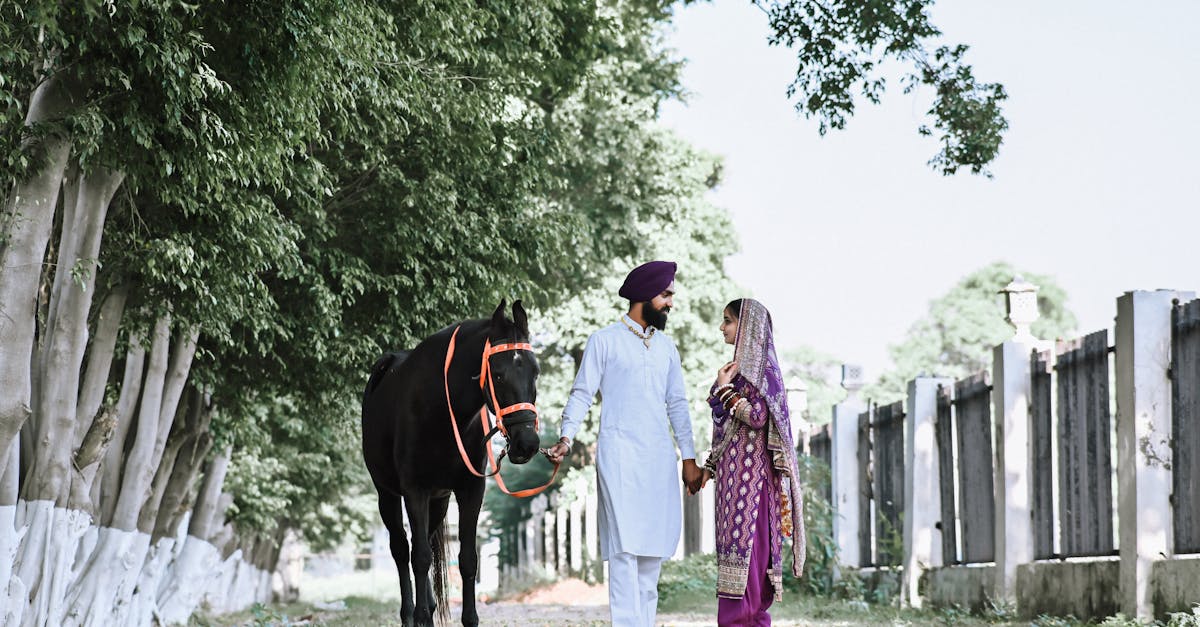
  • Timeless Wedding Traditions Across India: A Cultural Journey of Rituals, Love & Family

    image text

    Timeless Wedding Traditions Across India: A Cultural Journey of Rituals, Love & Family

    Weddings in India aren’t just events—they are soul-stirring journeys woven with love, age-old traditions, and vibrant emotions. With every state, community, and faith, the celebration of marriage transforms into something deeply unique and profoundly meaningful. From Punjabi weddings bursting with dhol beats to serene Buddhist vows, Indian matrimonial ceremonies are a mesmerizing blend of color, customs, and community warmth.

    Hindu Weddings: Tradition Rooted in Sacred Vows

    Hindu weddings are famously elaborate, often lasting days. The rituals begin with pre-wedding functions like Haldi, Mehendi, and Sangeet, followed by the main wedding day and reception.

    • Rituals & Ceremonies: The central ceremony is the ‘Vivah Sanskar’ where the couple takes seven sacred steps (Saptapadi) around a holy fire, promising lifelong commitment.
    • Family Involvement: Elders bless the couple, while cousins and children add energy to the celebrations.
    • Attire: Brides typically wear red lehengas or sarees, while grooms don sherwanis and turbans.
    • Music & Celebrations: Traditional instruments like dhol and shehnai fill the air with joy, especially during baraat and sangeet.

    For more colorful moments from the North, explore our North Indian wedding inspirations.

    Sikh Weddings: A Sacred Union at the Gurudwara

    Sikh weddings, or Anand Karaj, emphasize spiritual unity and community blessings.

    • Rituals & Ceremonies: The couple takes four rounds around the Guru Granth Sahib while kirtan is sung.
    • Family Involvement: The Milni ceremony, where both families formally meet and exchange garlands, is heartfelt.
    • Attire: Sikh brides often wear brightly colored shararas or lehengas, and grooms sport elegant turbans with kalgis.
    • Music & Celebrations: Post-wedding celebrations include bhangra, gidda, and sumptuous langar meals in Gurudwaras.

    Read more about Sikh marriage rituals and their deeper meanings.

    Muslim Weddings: Graceful Elegance & Spiritual Promises

    Known as a ‘Nikah’, Muslim weddings are rich in Islamic traditions and poetic sentiments.

    • Rituals & Ceremonies: The Nikah ceremony involves signing a marriage contract in the presence of a Qazi and witnesses, followed by the Ijab-e-Qubool (acceptance).
    • Family Involvement: Relatives often play key roles in matchmaking and celebrating the Mehfil-e-Naat and Mehendi nights.
    • Attire: Brides wear heavily embroidered shararas and veils, while grooms choose sherwanis or pathani suits with majestic headgear.
    • Music & Celebrations: Harmoniums, qawwali sessions, and traditional dances elevate the joy among friends and elders alike.

    Discover more beautiful moments from a traditional Muslim wedding.

    Christian Weddings: Divine Vows with White Elegance

    Christian weddings in India are serene affairs with heartfelt prayers and romantic oaths.

    • Rituals & Ceremonies: The exchanging of vows and rings before a priest, lit by candles and choral hymns, forms the essence of the ceremony.
    • Family Involvement: The ‘giving away’ of the bride is a touching moment that reflects deep familial ties.
    • Attire: Brides wear white gowns with lace veils, and grooms opt for tuxedos or bandhgala suits.
    • Music & Celebrations: Church bells, organ music, and heartfelt readings mark the day, followed by receptions filled with dance and cake-cutting.

    If elegance and simplicity charm you, explore Christian marriage customs.

    Jain Weddings: Soulful Simplicity and Inner Harmony

    Jain weddings are marked by simplicity and spirituality, focusing on minimalism and piety.

    • Rituals & Ceremonies: The ‘Phere’ (rounds around sacred fire) are conducted without any chanting and with complete serenity.
    • Family Involvement: The Lagna Patrika ceremony binds the two families in mutual respect.
    • Attire: Brides wear pastel lehengas or sarees, and grooms don traditional dhotis or suits with a turban.
    • Music & Celebrations: Jain weddings avoid loud music, embracing soft instrumental melodies and calm bhajans.

    Learn more about the purity of Jain wedding rituals.

    South Indian Weddings: Grace, Gold & Temple Traditions

    Whether Tamil, Telugu, Kannadiga, or Malayali, South Indian weddings unfold like divine plays steeped in heritage.

    • Rituals & Ceremonies: The ‘Kanyadaanam’, ‘Mangalya Dharanam’, and ‘Saptapadi’ are significant rituals performed with Vedic chants.
    • Family Involvement: Temple priests guide the rituals while elders bless the union with turmeric and flower petals.
    • Attire: Brides wear exquisite silk sarees in bright hues and grooms in traditional veshti or mundu.
    • Music & Celebrations: Nadaswaram and mridangam form the backdrop to the sacred ceremony, followed by vegetarian feasts on banana leaves.

    Unveil the charm of South Indian temple weddings.

    Buddhist & Tribal Weddings: Simplicity and Deep Spirituality

    Buddhist weddings are intimate, emphasizing mindfulness, while many tribal communities blend nature and heritage in their own unique ways.

    • Rituals & Ceremonies: Buddhist weddings involve taking vows before a monk with offerings and prayers, while tribal weddings may center around earth and ancestor blessings.
    • Family Involvement: Families lead the rituals and arrange symbolic dances celebrating union and fertility.
    • Attire: Couples wear traditional woven garments made locally, adorned with beads and flowers.
    • Music & Celebrations: Folk music, bamboo instruments, and community dances light up the atmosphere.

    Find love beyond customs too on our ethnic and tribal marriage traditions page.

    The Indian Wedding Feast: Food that Bonds Generations

    No Indian wedding is complete without a lavish spread of regional delicacies that bring everyone together. Across religions and regions, food serves as a gesture of love and hospitality.

    • Regional Flavours: From butter chicken and dal makhni at Punjabi weddings to idli-sambar counters in South India, every palate is considered.
    • Sweets & Signature Dishes: Bengali rosogollas, Goan bebinca, Rajasthani ghewar, Kashmiri phirni—desserts are unforgettable.
    • Dining Style: North favors buffets, South often serves on banana leaves, while many Muslim, Jain, and Parsi weddings host community thalis or sit-down servings.
    • Pre-Wedding Tastes: Mehndi nights are filled with chaat and snacks, while post-wedding lunches often feature family recipes.

    Essential Wedding Planning Checklist

    • Book venues and pandits/priests early based on cultural needs.
    • Send out invitations that reflect your traditions.
    • Select attire that honors both regional and religious customs.
    • Curate music and decorations with authentic elements.
    • Plan for honeymoon dates post-wedding and post-reception days.

    Conclusion: Love That Honors Roots

    Despite the dazzling diversity of Indian wedding traditions, one thing remains constant: love. A wedding in India is not just about two people; it’s a lifelong harmony of two families, two histories, and countless stories. Let your wedding reflect your soul and your traditions—every vow a whisper of the past and a promise for the future.

    Find your perfect life partner on PunjabiRishtey.com.

  • Sacred Vows and Timeless Traditions: A Heartfelt Journey Through Indian Marriage Customs

    image text

    Sacred Vows and Timeless Traditions: A Heartfelt Journey Through Indian Marriage Customs

    Weddings in India aren’t just ceremonies — they are soul-binding journeys rich in culture, emotion, and age-old tradition. Each ritual is a tribute to love, family, and divinity, varying across religion, region, and community. Whether it’s the sacred chant of mantras in a Hindu mandap or the soulful signing of a Muslim Nikahnama, Indian matrimonial customs reflect the country’s breathtaking diversity. Let’s explore the beautiful mosaic of Indian wedding traditions that continue to bless couples with love, unity, and unforgettable memories.

    💛 Hindu Weddings: A Celebration of Sacred Fire and Eternal Bond

    Hindu matrimonial ceremonies are vibrant, spiritual, and profoundly symbolic. The heart of the celebration lies in the Saptapadi — seven sacred vows taken around the agni (holy fire).

    • Rituals: Pre-wedding festivities such as Haldi, Mehndi, Sangeet, and the Baraat set a joyous tone. Post-wedding, the Griha Pravesh marks the bride’s welcome.
    • Attire: Brides often wear red or maroon lehengas or sarees, while grooms don intricately designed sherwanis and turbans.
    • Family involvement: Families play a pivotal role, from matchmaking to planning every detail through sites like Hindu matrimonial profiles.
    • Music & Celebrations: Dhol beats, folk songs, and choreographed dance numbers light up the atmosphere, especially during the Sangeet.
    • Cultural Value: It emphasizes dharma (duty), artha (prosperity), kama (desire), and moksha (liberation).

    ❤️ Sikh Weddings: Soulful Connections through Anand Karaj

    In Sikhism, weddings are revered as a divine union of two souls through the Anand Karaj (“blissful union”). The ceremony takes place in the Gurudwara with utmost simplicity and devotion.

    • Rituals: The Laavan (four hymns) are sung while the couple circles the Guru Granth Sahib.
    • Attire: Brides often wear colorful salwar kameez or lehengas with phulkari embroidery. Grooms wear achkans with pink or orange turbans.
    • Music & Celebrations: Folk dances like Gidda and Bhangra add high energy to celebrations.
    • Family Values: Elders play an advisory role, and matchmaking often begins through trusted platforms like Punjabi wedding traditions.
    • Emotional Significance: Emphasis is placed on the eternal companionship under God’s will.

    💚 Muslim Weddings: A Bond Written in Divine Will

    In Islam, the Nikah is a sacred contract guided by mutual consent and witnessed solemnly. The elegance and dignity of Muslim weddings signify purity in commitment.

    • Rituals: The Nikah ceremony includes recitations from the Quran and a formal agreement signed by both parties. The Walima (reception) follows the marriage.
    • Attire: Brides dazzle in elaborately embroidered shararas or lehengas, while grooms opt for sherwanis or kurta-pajamas with a skullcap.
    • Family Role: Elders negotiate the nikaahnama, and families often seek rishtas through Muslim matrimonial profiles.
    • Cultural Insights: Modesty, respect, and divine faith color every aspect of the celebrations.
    • Celebrations: Mehndi and Manjha are lively pre-wedding customs filled with song and tradition.

    💙 Christian Weddings: Vows Made Under the Eyes of Grace

    Christian weddings in India blend spiritual commitment with elegant Western traditions. In churches adorned with white flowers, couples make vows of love and faith.

    • Rituals: The exchange of vows and rings is followed by a prayer service and blessings from the priest.
    • Attire: Brides often wear white gowns and veils, while grooms are seen in suits or tuxedos.
    • Family Values: Emphasis is placed on choosing partners with similar faith, values, and goals. Families often connect via Christian matchmaking services.
    • Celebration: Post-wedding functions include cake cutting, dances, and festive dinner parties.
    • Music: Choir hymns, organ music, and romantic duets create a serene and romantic ambiance.

    🧡 Jain Weddings: Serenity in Simplicity

    Jain marriage customs are peaceful, spiritual, and minimalist. Rooted in non-violence and purity, their wedding rituals exude calm elegance.

    • Rituals: Lagna Lekhan (alliance recording) and the Phere around the fire are performed without overexuberance.
    • Attire: Brides choose simple yet elegant sarees, while grooms wear kasab bandhgalas or kurtas.
    • Family Connection: Parents actively seek compatible matches through community-based platforms like Jain matrimonial services.
    • Celebration & Food: Vegetarian and sattvic meals are served, often without onion or garlic, emphasizing purity.

    🤍 Parsi Weddings: A Toast to Tradition and Togetherness

    Parsi Zoroastrian weddings are quaint and full of unique customs rooted in ancient Persia. The Achoo Michoo ritual symbolizes purification and fresh beginnings.

    • Rituals: The wedding ceremony includes the exchange of garlands and blessings from a Dasturji (priest).
    • Attire: Brides wear the Gara saree, often passed down generations, while grooms are in Daglis (white tunic).
    • Family Values: Parsis value community, and matrimonial matches are often found via dedicated networks like Parsi rishtas.
    • Celebration & Cuisine: The Laganu Bhonu feast includes saas ni machhi (fish stew), mutton pulao, and raspberry soda.

    🌸 South Indian Weddings: A Melodious Union of Faith and Family

    From Tamil Nadu to Kerala, South Indian weddings radiate tradition and grace. The sound of temple bells, classical music, and Sanskrit mantras give life to this holy event.

    • Rituals: The Kanyadaanam, Mangalya Dharanam (tying the sacred thread), and the Saptapadi are central.
    • Attire: Brides wear rich silk sarees with heavy gold jewelry, while grooms are seen in veshti and angavastram.
    • Music: Nadaswaram musicians play live throughout the wedding ceremony creating a divine ambiance.
    • Family and Astrology: Alignment of horoscopes is vital. Parents consult astrologers and matrimonial platforms like South Indian matchmaking.

    🥻 Bengali Weddings: Red Alta, Conch Shells, and Pure Romance

    The aura of a Bengali marriage is filled with traditions like the Shubho Drishti, where the couple first sees each other after ritual hide-and-seek.

    • Rituals: From the blowing of conch shells to the seven Phere and Sindoor Daan, every moment is spellbinding.
    • Attire: Brides wear red Banarasi sarees with a ‘mukut’, while grooms wear dhoti-kurta and topor (a headgear).
    • Celebration: Bhajans, shehnai melodies, and traditional cuisines make every Bengali wedding unforgettable.
    • See more such unique wedding styles in our Bengali bride features.

    🍲 Food & Feast: The Heart of Every Indian Wedding

    No Indian wedding is complete without a feast that delights every sense. Food serves not only as nourishment but as a symbol of unity, generosity, and celebration.

    • Regional Flavors: From Punjabi butter chicken and Amritsari kulchas to South Indian sambar and Kerala appams, every wedding platter is regionally infused.
    • Community Dining: Long banana leaf lunches in the south and rich buffet spreads in the north bring families together.
    • Sweets & Treats: Gulab jamuns, rasmalai, modaks, and kesari halwa sweeten every moment.

    🌙 Honeymoon Rituals & Post-Wedding Planning

    • Rituals: Traditions like Pag Phera (bride returns to parents) and Mooh Dikhai (bride’s introduction) are cherished post-wedding moments.
    • Planning Checklist: Venue booking, guest list, attire, pandit/mullah booking, and of course, choosing the right life partner — often starts with wedding planning guides.

    🕊️ Conclusion: Love, Legacy & Lifelong Companionship

    An Indian wedding isn’t just about the union of two individuals — it’s an orchestra of traditions, families, laughter, and dreams. Each culture, each ritual adds its own verse to the poem that is love in India. As families light diyas, exchange malas, or share blessings around a feast, they are in fact building a new world of togetherness.

    Ready to begin your journey of love and tradition? Find your perfect life partner on PunjabiRishtey.com.

  • Exploring the Beautiful Rituals of South Indian Weddings: A Celebration of Culture and Commitment

    image text

    Exploring the Beautiful Rituals of South Indian Weddings: A Celebration of Culture and Commitment

    In the heart of Southern India lies a vibrant tapestry of wedding traditions where ancient rituals meet timeless love. South Indian weddings, with their serene temple chants, fragrant flowers, and family-driven ceremonies, aren’t just about two people tying the knot — they’re about honoring heritage, uniting families, and embracing the sacred circle of life. Whether you’re a Tamil, Telugu, Kannada, or Malayali bride or groom, South Indian weddings are breathtaking spectacles of devotion and culture.

    Traditional Ceremonies in South Indian Weddings

    Tamil Hindu Weddings

    • Kashi Yatra: A light-hearted ritual where the groom pretends to renounce worldly life, only to be convinced by the bride’s father to marry his daughter — it reflects the playful yet emotional bond between families.
    • Muhurtham: The auspicious moment when the ‘Thali’ (mangalsutra) is tied around the bride’s neck — a symbol of lifelong commitment and dharma.
    • Attire: Brides wear rich kanjeevaram sarees, shimmering with golden zari, while grooms don traditional white veshtis with gold borders.
    • Music: Traditional Nadaswaram and Thavil fill the air, setting a soulful rhythm to the rituals.

    Families actively participate in planning and conducting each ritual, honoring ancestors, and praying together at the temple before the wedding. It’s not uncommon to see relatives involved in preparing traditional sweets or helping with intricate flower decorations.

    Malayali (Kerala) Weddings

    • Simple Yet Elegant: Most Malayali weddings, especially among Hindus, are brief and traditionally held at temples or home mandapams.
    • Thalikettu: The moment when the groom ties the thali — signifying the sacred marital bond.
    • Simplicity in Dress: Brides wear off-white silk sarees called Kasavu with golden borders; grooms wear matching mundus.
    • Cultural Significance: The emphasis on purity and simplicity reflects Kerala’s deep-rooted spiritual ethos.

    Families gather for the Sadhya — an elaborate vegetarian feast served on banana leaves, a timeless ritual of community bonding.

    Telugu & Kannada Wedding Traditions

    • Jeelakarra-Bellam: In Telugu traditions, the couple applies a paste of cumin and jaggery on each other’s heads, symbolizing a sweet and strong union.
    • Kanyadaanam: Performed by the father of the bride, offering his daughter to the groom with blessings and sacred chants.
    • Music & Dance: Folk songs, Kolattam (stick dance), and ceremonial bhajans often accompany marriage festivities.
    • Kannada Bridal Look: Elegance and color meet in silk sarees, temple jewelry, and jasmine floral adornments.

    These regional variations might differ in form but are united through a spirit of reverence, joy, and wholehearted involvement of extended families.

    Checklist for Every South Indian Wedding Ritual

    • Select an auspicious date and muhurtham based on horoscopes
    • Book the wedding hall or temple early
    • Arrange for purohit/pandit for rituals like Kanyadanam and Muhurtham
    • Confirm traditional attire for both families
    • Choose local musicians for Nadaswaram performances
    • Order fresh jasmine, lotus & marigold flowers for decor

    Food & Feast: The Heart of South Indian Celebrations

    No South Indian wedding is complete without a grand culinary journey. Whether it’s a Tamil Sappadu, Kerala Sadhya, or Andhra Pelli Bhojanam, traditional food is at the core of wedding joy:

    • Vegetarian Variety: Items like sambhar, rasam, aviyal, poriyal, pickle, appalam, curd rice, and payasam are served in an elaborate order.
    • Community Dining: Guests are seated on floor mats or long tables as food is served by family and volunteers — an act of hospitality and respect.
    • Sweet Touch: Palada payasam, Mysore pak, coconut laddoos, and banana halwa bring sweetness to every meal.

    Indian wedding cuisine is not just a treat for the taste buds but also a celebration of unity and sharing. Planning a wedding? Don’t miss our checklist for seamless wedding planning.

    Modern Yet Traditional: Honeymoon & Blessings

    After the whirlwind of rituals, blessings, and dance, the newlyweds begin their romantic journey with a serene honeymoon. South Indian couples often choose locations like Ooty, Coorg, Munnar, or even international getaways. However, not before they receive blessings in the form of Sambandham (post-wedding religious gathering) and the Gruhapravesham ritual at the groom’s home.

    Conclusion: A Celebration of Love and Legacy

    South Indian weddings are not merely events — they are soulful gatherings where families unite, traditions are honored, and love is sanctified amidst divine chants and ancient rituals. From the fragrance of jasmine in a Tamil courtyard to the rhythmic beats of a Telugu drum, every moment is steeped in grace. At PunjabiRishtey.com, we believe in celebrating love across every region and tradition of India. Explore more South Indian wedding stories or register today to find your life partner.

    Discover more:

    Your perfect match might just be a click away. Find a partner who understands your culture and values — only on PunjabiRishtey.com.

  • Sacred Vows and Colorful Celebrations: A Cultural Guide to Indian Wedding Traditions

    image text

    Sacred Vows and Colorful Celebrations: A Cultural Guide to Indian Wedding Traditions

    Weddings in India are more than just a ceremony—they are a soulful union of two families steeped in centuries-old traditions, rituals, and emotional blessings. Across states, religions, and communities, these celebrations reflect a deep-rooted cultural richness, emphasizing togetherness, respect, and spiritual connection. Let’s explore the diverse tapestry of Indian wedding traditions that make every shaadi a memory of a lifetime.

    Hindu Weddings: The Eternal Bond of Seven Vows

    Hindu weddings are known for their grandeur and spiritual depth. From North to South India, rituals may differ slightly, but the essence remains untouched.

    • Sacred Rituals: The Haldi, Mehendi, Sangeet, and the main ceremony revolve around sacred fire (Agni), with the couple taking pheras or seven vows around it.
    • Family Involvement: Extended families actively participate, from arranging astrology-matching ceremonies to preparing the bride’s trousseau with sacred items.
    • Wedding Attire: Brides often wear red lehengas or sarees with heavy jewelry, while grooms opt for sherwanis and turbans.
    • Music & Celebration: Traditional folk songs and Bollywood beats accompany dances during the mehendi and sangeet rituals.
    • Cultural Value: Symbolizes not just the bride and groom’s union, but also the eternal bond between two families and lineages.

    Sikh Weddings: The Bliss of Anand Karaj

    Rooted in simplicity and spiritual grace, Sikh weddings or Anand Karaj take place in a Gurudwara, symbolizing a sacred pledge before the Guru Granth Sahib.

    • Rituals: Key ceremonies include Roka, Chunni ceremony, the Milni, and the Anand Karaj.
    • Family Values: Community bonds and blessings of elders are deeply respected, especially during Milni, when families exchange garlands.
    • Attire: Brides wear phulkari or embroidered salwar suits, while grooms choose ivory sherwanis and colorful turbans.
    • Celebrations: Dhol beats, Giddha, and Bhangra light up every corner of the wedding day.
    • Spiritual Essence: The couple walks around the Guru Granth Sahib, affirming their spiritual connection with Waheguru’s grace.

    Muslim Weddings: Nikah – A Sacred Covenant

    Islamic weddings are elegant and guided by religious customs. The Nikah ceremony centers on lawful union and mutual consent in presence of witnesses.

    • Main Ceremonies: Nikah, Mehendi, and Walima form the core of Muslim wedding traditions.
    • Family Role: Families negotiate and bless the Mahr (gift given by groom to bride).
    • Traditional Dress: Brides wear richly embroidered shararas or lehengas with dupattas, while the groom dons a sherwani or Kurta-pajama.
    • Celebration: Soulful qawwalis and culinary feasts make the event lively and intimate.
    • Cultural Soul: Emphasizes commitment, respect, and faith as cornerstones of marital harmony.

    Christian Weddings: A Promise Before God

    Christian weddings in India blend western grace with Indian charm. The serene church ambiance and heartfelt vows make the ceremony timeless.

    • Rituals: Engagement, Bridal Shower, Church wedding, and Reception.
    • Family Bonding: Parents lead prayers, blessings, and usually walk the bride down the aisle.
    • Wedding Attire: Brides often wear white gowns, while grooms prefer formal suits or tuxedos.
    • Celebrations: Gospel music, choir singing, and lively receptions with heartfelt toasts.
    • Spiritual Value: The couple exchange rings and vows before God, emphasizing love and faith.

    Jain & Buddhist Weddings: Righteous Unions

    Centered around purity and simplicity, Jain and Buddhist weddings are calm and spiritual affairs.

    • Jain Weddings: Features Lagna Lekhan, Phere, and Ashirvada. The focus remains on spiritual purity and vegetarian cuisines.
    • Buddhist Weddings: Held with prayer offerings at the monastery, the bride and groom often wear traditional silk robes.
    • Family Traditions: Minimalism and righteousness are key drivers during events, blessed by monks or gurus.
    • Harmony: Peace chants and universal love mark these tranquil ceremonies.

    Parsi Weddings: Love in the Light of Fire

    Known as ‘Achumichu’ ceremony, Parsi weddings are colorful yet sizable—deeply reflecting Zoroastrian customs.

    • Main Ceremonies: Rupia Peravanu, Achumichu, and the Wedding Feast.
    • Family Symbolism: Elders play a significant role in blessings and guidance before the groom ties the sacred knot.
    • Outfits: Brides wear the traditional white saree with Gara embroidery.
    • Ceremonial Joy: Rituals are wrapped in laughter, rice throwing, and hymns inside Agiaries (fire temples).

    North Indian Weddings: Royal Traditions and Festive Glory

    From Punjab to Rajasthan and Uttar Pradesh, North Indian weddings are regal and packed with music, dance, and grandeur that spell celebration.

    • Pre-wedding events like Mehendi, Tilak, and Sangeet involve all family members.
    • Desi bands, baraat processions with horses or vintage cars, and choreographed dances highlight the festive appeal.
    • Traditional attire includes vibrant lehengas, heavy dupattas, sherwanis, and turbans, often passed down generations.

    South Indian Weddings: Roots of Simplicity and Divinity

    With a sacred start to each ceremony, South Indian weddings from Tamil Nadu, Kerala, Andhra, and Karnataka are dipped in temple traditions and priest-led rituals.

    • Key Ceremonies: Muhurtham, Kashi Yatra, Mangalsutra Dharana.
    • Cuisine: Banana leaf meals of rice, sambar, rasam, payasam served to family and guests.
    • Attire: Brides wear silk sarees with temple jewelry; grooms don traditional veshtis or angavastrams.
    • Community Touch: Includes nadaswaram music and blessings from the temple elders.

    Bengali Weddings: A Blessing in Red and White

    Rooted in cultural poetry, Bengali weddings display elegance from rituals to attire, offering a sensory delight.

    • Key Rituals: Gaye Holud (Haldi), Shubho Drishti, Mala Badal, and Sindoor Daan.
    • Attire: Red or maroon Benarasi sarees, mukut (headgear), and Shankha-Pola bangles are must for brides.
    • Tradition: The bride is carried on a wooden platform and unveils her eyes to the groom for the first time.
    • Rituals are enhanced by rhythmic ululations and conch blowing from female relatives.

    Delicious Touch: Indian Wedding Food & Feast

    No Indian wedding is complete without a grand feast bringing together flavors from across India.

    • Regional Delights: Sarson da saag and Makki di roti in North; Idli-sambar in South; Macher jhol in Bengal; and Biryani for most Muslim weddings.
    • Sweets: Jalebi, Rasgulla, Mysore Pak, Ghevar, and Modaks are blessings in every bite.
    • Community Dining: From thali service to buffet spreads, meals are communal with utmost hospitality.
    • Green Trends: Eco-friendly disposables and plant-based food options are trending.
    • Reception Planning: Be sure to cross off key items in your wedding preparation checklist, including caterers, decorators, and return gifts.

    From Wedding to Honeymoon: Planning Ahead

    Once the rituals end, the excitement rolls into honeymoon planning. From Goa to Kashmir, couples now look for spiritual, romantic, or adventure-based getaways. Don’t forget to plan your trip with essentials like passports, bookings, and traditional outfits for family introductions abroad!

    Conclusion: A Journey of Togetherness

    No matter the region or religion, Indian weddings are proof that love and rituals go hand-in-hand. The beauty of our matrimonial journey lies in diversity, where each custom honors the past, embraces the present, and promises a shared future.

    Find your perfect life partner on PunjabiRishtey.com and begin your own celebration of love and tradition.

  • A Magical Journey Through Bengali Wedding Traditions: Love Woven in Red and Gold

    image text

    A Magical Journey Through Bengali Wedding Traditions: Love Woven in Red and Gold

    In the heart of Eastern India, Bengali weddings stand out for their poetic elegance, rich symbolism, and emotional depth that ties two souls and their families together. The fragrance of incense, conch shell echoes, and red alta-adorned feet mark the beginning of a divine union. Every ritual is steeped in meaning, making Bengali weddings a truly soul-touching celebration of love and tradition.

    The Radiance of Rituals in a Bengali Wedding

    1. The Vibrancy of Pre-Wedding Ceremonies

    Pre-wedding functions are brimming with anticipation. The Aiburo Bhaat is a ritual feast with the bride/groom symbolizing their last meal as a bachelor. Friends and family gather around with love, laughter, and lovingly cooked meals.

    • Aashirbaad: Elders bless the couple with rice and darbha grass for a prosperous union.
    • Dodhi Mongol: Celebrated before dawn on the wedding day as the bride/groom is fed curd and rice by married women.
    • Haldi/Ubtan: A turmeric ceremony where loved ones apply haldi for blessings and radiance.

    2. The Sacred Wedding Ceremonies

    The biye or wedding day is rooted in custom and grace. The bride, often carried by her brothers during the Shubho Drishti, locks eyes with the groom behind betel leaves. It’s a moment of quiet magic and social symbolism.

    • Shubho Drishti: The first glance shared between the couple, drenched in tradition.
    • Mala Badal: Exchanging of garlands amidst laughter and teasing.
    • Sampradan and Saptapadi: Vows and symbolic union with sacred fire and familial blessings.

    3. Bengali Wedding Attire: Elegance in Simplicity

    The Bengali bride is a vision in red Benarasi saree paired with gold jewelry and a delicate mukut (head crown). Her forehead glows with sandalwood paste patterns. The groom wears a traditional dhoti-panjabi and a topor (conical headgear), completing the divine look of the ceremony. Matching ornaments of shakha-pola (conch shell and red coral bangles) symbolize marital bliss.

    4. Music, Traditions, and Family Participation

    Bengali weddings are incomplete without rhythmic ululation by women and blowing of conch shells. The sound heralds spiritual auspiciousness. Folk songs and modern tunes blend beautifully during the sangeet.

    Family support is not just a tradition—it’s the soul of the ceremony, from inviting guests, arranging foods, to customizing rituals. Learn more about how Indian wedding customs shape family bonds.

    Other Regional Wedding Traditions Across India

    India’s diversity blossoms in its wedding customs. Each region presents its unique charm and spiritual symbolism:

    South Indian Weddings

    Often held in temples or under a banana canopy, these weddings highlight simplicity and divine connection. The bride wears Kanjivaram sarees in dazzling gold and red, while the groom dons a silk veshti. Kashi Yatra and Mangalya Dharanam are uniquely precious rituals. Discover more at South Indian brides and traditions.

    Sikh Weddings

    An Anand Karaj is serene and soulful, conducted in Gurudwara in front of Guru Granth Sahib. The couple circles the holy scripture while kirtans echo within. Punjabi wedding traditions reveal grand baraats and high-energy bhangra celebrations.

    Muslim Nikah Ceremonies

    Muslim weddings are centered around the Nikah contract. The bride and groom exchange vows in presence of elders, followed by the spiritual sermon called ‘Khutbah’. The mehr (gift) is agreed and offered by the groom. Delicate attire, like shararas and embroidered sherwanis, reflect regal elegance. Related read: Muslim matrimonial profiles here.

    Christian Weddings

    Held in churches with beautiful floral decor, Christian weddings are about grace and vows. Gown-clad brides walk down the aisle, veil lifted tenderly by the groom. The exchanging of rings and the line “what God has joined, let no one separate” makes it immensely emotional.

    Gujarati Weddings

    Vibrant and spiritual, Gujarati weddings include Mandap Mahurat, Mehendi, Garba/Dandiya nights, and the all-important Mangal Pheras. Color, food, and community involvement are extravagant — see more about the Gujarati wedding rituals.

    The Feast: Flavors of Love

    No Indian wedding feels complete without food — a deeply communal affair. Bengali weddings serve an exquisite spread:

    • Shorshe Ilish (Hilsa fish in mustard sauce) symbolizing prosperity
    • Chingri Malai Curry – a must-have for prawn lovers
    • Begun Bhaja, Luchi, and Chhanar Dalna as delicious vegetarian options
    • Mishti Doi and Rosogolla – no Bengali wedding ends without these sweets

    Guests dine together joyously, symbolizing harmony. In many modern weddings, regional food stalls—and even international cuisines—are also included. Learn how cuisines shape Indian marriage traditions here.

    After the Wedding: Honeymoon and Grihapravesh

    After the Bidaai, the bride is welcomed at the groom’s house with an Aarti and holy water during Grihapravesh. Many couples plan their honeymoons soon after, choosing scenic spots from Darjeeling to Maldives. Don’t miss our honeymoon planning tips.

    Wedding Planning Checklist

    Here’s a brief wedding planning checklist for a smooth Bengali wedding:

    • Book venue and set auspicious wedding dates
    • Hire traditional decorators and caterers
    • Organize Haldi, Mehendi, and Sangeet evenings
    • Arrange priest and wedding essentials (mukut, topor, sindoor, sweets)
    • Coordinate familial roles in ceremonies and guest management

    For more ideas, visit our wedding planning guide section.

    Conclusion: Love, Legacy & Lifelong Bonds

    Bengali weddings are heartwarming—caught between modern love stories and age-old rituals. They emphasize respect towards elders, the sanctity of vows, and joyful customs that unite communities. Whether it’s the aroma of ghee-laced rice or the sound of conch shells at sunrise, Bengali weddings are a celebration of soulful love that cherishes both past and future.

    Find your perfect life partner and begin your forever at PunjabiRishtey.com.

  • Sacred Celebrations: Exploring Wedding Rituals Across India’s Diverse Cultures

    image text

    Sacred Celebrations: Exploring Wedding Rituals Across India’s Diverse Cultures

    India’s weddings are not just ceremonies; they are emotionally rich sagas of love, family, and tradition woven into colorful rituals celebrated with joy, devotion, and grandeur. From the high-energy vibes of a Punjabi baraat to the serene chants of a South Indian temple wedding, every culture brings its own touch of soul to the sacred union of marriage.

    Hindu Wedding Rituals: A Sacred Union of Souls

    Rooted deeply in Vedic traditions, Hindu weddings symbolize not only the joining of two individuals but also their families. Known as Vivaha Sanskar, this elaborate ritual involves multiple ceremonies:

    • Ganesh Puja & Haldi: Invoking blessings and purity before the big day.
    • Saptapadi: The seven sacred steps around the fire with vows for a lifetime.
    • Kanyadaan: The emotional ritual where the bride’s parents give her away.

    Attire often includes bright lehengas or sarees adorned with gold jewelry, while the groom dons a sherwani with a regal turban. Traditional bhajans and shehnai music uplift the mood. Regionally, from a Gujarati Lagna Mandap to a Maharashtrian Antarpat, each wedding adds a unique flair.

    Sikh Weddings: Anand Karaj — The Blissful Union

    In Sikhism, weddings are known as Anand Karaj, meaning “blissful union.” Held in a Gurdwara, the ceremony revolves around reciting the Lavan (marriage hymns) from the Guru Granth Sahib.

    • Family-Focused: Sikh weddings highlight humility, simplicity, and community values.
    • Traditional Dress: Brides usually wear vibrant red or pink salwar suits or lehengas, while grooms opt for turbans and achkans.
    • Cultural Touches: Energetic Giddha and Bhangra performances light up the evening celebrations.

    Explore more about Punjabi wedding traditions and how they reflect joy and spirituality.

    Muslim Nikah: A Sacred Commitment in Islam

    A Muslim wedding, or Nikah, is a sacred contract between bride and groom. The ceremony is often modest yet spiritually profound. It usually comprises:

    • Mehr: A mandatory gift from groom to bride.
    • Nikah sermon: Recitation of Quranic verses by a Qazi.
    • Ijab-o-Qubool: The formal acceptance from both sides.

    Brides wear intricately embroidered Sharara or Gharara sets, and grooms opt for traditional sherwanis. Delicacies like Hyderabadi biryani and sheer khurma add warmth to post-wedding feasting.

    Christian Weddings: Devotion and Elegance

    Celebrated in churches with hymns and blessings, Christian weddings in India bring a graceful touch of ritual and spirituality.

    • The Vow Ceremony: A heartfelt exchange of promises before God and family.
    • Bridal Look: White gowns, veils, and bouquets are timeless classics.
    • Reception: Usually followed by cake cutting, Western dance, and community blessings.

    Goan weddings and Kerala Syrian Christian weddings highlight regional Christian customs, combining tradition with modern elegance.

    Jain Wedding Traditions: Purity and Simplicity

    Jain weddings emphasize simplicity, non-violence, and purity. Ceremonies involve prayer recitations, and the presence of elders is considered auspicious.

    • Phere & Granthi Bandhan: Sacred rounds and the knot of commitment.
    • Clothing: Simple yet elegant attire in pastel shades with minimum ornamentation.
    • Food: Strictly vegetarian, emphasizing sattvik traditions.

    Such weddings highlight inner peace over extravagance. Explore other spiritually aligned Jain matrimonial customs.

    South Indian Weddings: A Symphony of Devotion and Tradition

    South Indian weddings—from Tamil to Telugu, Kannada to Malayali—are deeply rooted in temple traditions and Vedic chants.

    • Kashi Yatra & Oonjal: Fun and symbolic pre-wedding traditions.
    • Muhurtham: The sacred moment fixed by astrologers for the union.
    • Attire: Brides wear silk sarees like Kanjivaram, while grooms dress in dhoti and angavastram.

    Melodic Carnatic music and flower-laden mandapams grace the setting. South Indian weddings blend sacredness with visual opulence.

    Bengali Weddings: Graceful Rites and Sacred Bonds

    From the resonant sounds of shankh to the subtle elegance of red-bordered sarees, Bengali weddings highlight beauty in every gesture.

    • Shubho Drishti: Emotional first glance ceremony between bride and groom.
    • Saat Paak: Bride is carried on a wooden seat around the groom in seven circles.
    • Food: A grand spread including fish, sweets like roshogolla, and sandesh.

    North-East, Tribal & Parsi Weddings: A Tapestry of Colors and Culture

    The Northeast of India features unique tribal weddings with vibrant local dances and mystical chants. Meanwhile, Parsi weddings include the Achumichu ritual and Aashirwad blessings, with Zoroastrian traditions at heart.

    • Tribal: Bamboo instruments, organic attire, and cross-village celebrations.
    • Parsi: The Lagan ceremony with flower showers and reverence to fire and purity.

    A Culinary Extravaganza: Indian Wedding Food Traditions

    An Indian wedding is incomplete without its culinary symphony! Food binds guests emotionally and culturally, often served in grand buffets or traditional banana leaf dining.

    • North India: Butter chicken, dal makhani, paneer tikka, and rich curries.
    • South India: Sambar, rasam, appams, and sweet pongal.
    • Bengal: Machher jhol, luchi, and mishti doi.
    • Muslim Weddings: Aromatic biryanis, kebabs, and phirni.

    Delicacies often reflect the region’s warmth and hospitality. And don’t forget the wedding sweet counter with gulab jamun, barfi, and more.

    Planning Your Dream Wedding: Rituals & Checklist

    Every tradition, regardless of region or faith, follows a planning path:

    • Engagement/family introductions
    • Ritual calendars & venue booking
    • Dress trials and theme selection
    • Catering & invitation design
    • Photography and honeymoon itinerary

    Matchmaking sites like PunjabiRishtey.com simplify beginnings by connecting families aligned in values and traditions.

    Conclusion: Love Transcending Traditions

    Across temples, mosques, churches, and villages, the beating heart of every Indian wedding is love — sacred, collective, and eternal. These ceremonies are not just about two people coming together but about communities embracing a shared future.

    Begin your own wedding journey where tradition meets togetherness. Find your perfect life partner on PunjabiRishtey.com.

  • Sacred Celebrations: Exploring South Indian Wedding Traditions Rooted in Grace and Devotion

    image text

    Sacred Celebrations: Exploring South Indian Wedding Traditions Rooted in Grace and Devotion

    South Indian weddings are a mesmerizing blend of sacred rituals, familial blessings, rich traditions, and soulful customs. Whether it’s the fragrance of jasmine garlands or the rhythmic beats of nadaswaram, a South Indian marriage is more than an event — it’s a spiritual journey blessed by generations. For matrimonial families looking to understand the essence of these unions, this guide offers a wholesome look into the beautiful wedding traditions across Tamil Nadu, Kerala, Karnataka, and Andhra Pradesh.

    South Indian Wedding Rituals by Community

    1. Tamil Brahmin Weddings (Iyer and Iyengar)

    Known for their spiritual depth and detailed Vedic rituals, Tamil Brahmin weddings emphasize simplicity and sanctity.

    • Rituals: Begins with Nichayathartham (engagement), followed by Kashi Yatra, Oonjal (swing ceremony), and the sanctified Muhurtham (tying of the sacred thaali).
    • Family Involvement: Elders play vital roles in chantings and blessings; the groom’s symbolic ‘renunciation’ during Kashi Yatra is countered by the bride’s father inviting him back to family life.
    • Attire: The bride adorns traditional Kanjeevaram silk sarees with temple jewelry; the groom dresses in white veshti and angavastram.
    • Music & Celebrations: Classical Carnatic music and nadaswaram bring sacred vibrations throughout the ceremonies.
    • Emotional Insight: The ceremonies echo purity, respect for ancestry, and the soul-preserving union of two families.

    2. Malayali Hindu Weddings (Nair and Ezhava)

    Short, sweet, and culturally rich, Malayali weddings are deeply poignant despite their simplicity.

    • Rituals: Begins with Nischayam (engagement). The main wedding ceremony, Vivaah Sanskaram, is minimal and solemn. The groom ties the thali amidst chants.
    • Family Involvement: Both families participate equally, usually in temples or ancestral homes.
    • Attire: Brides wear white or off-white silk sarees with golden borders (Kasavu sarees). Grooms wear mundu.
    • Music: Soft Carnatic background or temple chimes. Drums and edakka can be part of traditional processions.
    • Cultural Value: Reflects Kerala’s deep-rooted customs, matrilineal legacy, and spiritual elegance.

    3. Kannada Weddings (Lingayat, Vokkaliga)

    Kannada weddings are symbolic, colorful, and family-focused.

    • Rituals: Engagement is called Nischaya Tamulam. Wedding phase includes Kashi Yatra and (exchange of cumin and jaggery).
    • Family: Involvement of elder blessings, wedding priest, and performances like Arathi.
    • Attire: Vibrant silk sarees (Mysore silk) and turbans for grooms.
    • Celebrations: Folk songs, traditional dance, and rich hall decorations are common.
    • Emotional Insight: A celebration of purity, simplicity, and wisdom — honoring ancestors and modernity together.

    4. Telugu Weddings (Reddy, Kamma, Kapu, Brahmin)

    Telugu weddings burst with symbolism, vivid decor, and multi-day rituals.

    • Rituals: Begins with Pellikuthuru/Pellikoduku (haldi), Snathakam, mangalsutra tying, Saptapadi (seven steps), and Talambralu — a joyful rice-showering ritual.
    • Family: Everyone from grandparents to younger cousins actively contribute to décor, rituals, and songs.
    • Attire: Heavy Kanchipuram sarees with vibrant hues; grooms wear pancha and ornamented kurta.
    • Celebration & Music: Lavish venue decorations, classical dance, regional folk music, and festive cheer.
    • Cultural Emotion: Telugu weddings are a canvas of love, laughter, and deeply ceremonial roots, as explored further in South Indian wedding highlights.

    Culinary Delights: The Soul of a South Indian Wedding

    No wedding in South India is complete without the legendary feast – the sadhya or virundhu, served traditionally on banana leaves.

    • Regional Flavors: Tamil weddings serve rasam, sambar, poriyal, and paayasam. Kerala weddings offer avial, olan, erissery, and palada pradhaman. Telugu and Kannada meals include pappu, pulihora, ambode, and Kesari bath.
    • Sweets: Dishes like mysore pak, boondi laddoo, unniyappam, and madatha kaaja are popular across weddings.
    • Community Dining: Feasting together expresses family bonding and hospitality — an essential part of the wedding ethos.

    Honeymoon & Post-Wedding Rituals

    After the ceremony, newlyweds often receive blessings from elders and depart for their honeymoon. Popular honeymoon destinations for South Indian couples include Munnar, Ooty, Coorg, and Kodaikanal — places brimming with serenity and natural beauty.

    • Post-wedding traditions include Gruhapravesham (bride’s entry to groom’s home), naming ceremonies, and first cooking rituals.

    Essential Wedding Planning Checklist for South Indian Weddings

    • Choose a muhurtham date with a family priest
    • Book wedding venues and musicians (nadaswaram) early
    • Source traditional attire and jewelry from family-cherished stores
    • Arrange for decorators, caterers, and banana leaves for dining
    • Organize ceremonial items like coconuts, kumkum, sandalwood paste, and thaali

    A Living Tradition of Love & Devotion

    South Indian weddings are not just rituals — they are emotional stories woven through threads of devotion, family, and community. As one of India’s most sacred and colorful wedding experiences, they leave a lifelong impression not just on the couple but on every soul who witnesses the union.

    Whether you’re planning a Tamil wedding or preparing your family for a Malayali matrimonial ceremony, South Indian weddings reaffirm the beauty of falling in love the traditional way. Begin your search for a life partner rooted in culture with PunjabiRishtey.com.

    Curious about how other traditions celebrate marriage? Read more on our guides to Punjabi wedding traditions, Hindu wedding rituals, or explore regional Indian weddings.

  • A Cultural Journey Through South Indian Weddings: Traditions, Rituals & Eternal Bonds

    image text

    A Cultural Journey Through South Indian Weddings: Traditions, Rituals & Eternal Bonds

    Weddings in South India are more than just a celebration — they are sacred unions layered in tradition, emotion, and cultural heritage. From the rhythmic beats of the nadaswaram to the sacred Tamil mantras echoing through ancient temples, South Indian weddings are a true testament to eternal love and family values. If you’re inspired by the spiritual elegance of traditional Indian unions, join us as we explore the rich tapestry of rituals across Tamil, Telugu, Kannada, and Malayali cultures.

    Tamil Brahmin Weddings: Simplicity Rooted in Spirituality

    Rituals & Ceremonies

    The Tamil Brahmin wedding usually spans over two to three days. The highlight is the ‘Muhurtham’ — the sacred wedding moment chosen by astrologers. The ‘Kashi Yatra’ and ‘Oonjal’ (swing ceremony) are playful yet deeply symbolic rituals, bringing both families together through laughter and respect.

    Family & Attire

    Family elders play a central role, blessing every phase of the wedding. Brides wear elegant Kanjeevaram sarees with temple jewelry, while grooms adorn traditional veshti and angavastram.

    Musical & Cultural Elements

    The soulful sounds of nadaswaram and thavil blend with Vedic chants, creating a meditative ambiance unique to Tamil weddings.

    Explore more about South Indian matrimony traditions.

    Telugu Weddings: Divine Grace and Regal Grandeur

    Rituals & Ceremonies

    The Telugu wedding begins with the ‘Pendlikoothuru’ (haldi ceremony), followed by ‘Mangala Snanam’ (sacred bath). The emotional highlight is ‘Saptapadi’ — the seven steps taken around the sacred fire, symbolizing eternal companionship.

    Attire & Decor

    Telugu brides shimmer in Pattu sarees with gold jewelry, while grooms wear silk dhotis and kurtas. Marigolds, mango leaves, and banana plant decorations fill the venue with fragrance and festivity.

    Telugu wedding rituals are explained beautifully in our Telugu wedding traditions section.

    Kannada Weddings: Graceful Harmony of Custom and Elegance

    Cultural Rituals

    Among the most refined, Kannada weddings focus on ‘Nandi Pooja’, ‘Kashi Yatre’, and finally ‘Jeerige Bella’ — exchanging cumin and jaggery symbolizing life’s sweet and bitter moments shared as one.

    Family & Community

    Kannada weddings are intimate, and families deeply believe in the importance of horoscopes and matchmaking traditions. The bride’s uncle plays a key role in ceremony coordination — a touching aspect of familial bonding.

    Dress & Dance

    The bride dazzles in a silk saree in bright hues with jasmine flowers in her hair. While dance isn’t central, folk songs and subtle rhythmic traditions bring warmth and grace.

    Malayali Weddings: Simple, Serene, and Spellbinding

    Ceremonies & Rituals

    The ‘Thalikettu’ is the defining moment when the groom ties a gold chain (thali) around the bride’s neck, cementing the bond in front of the community. The ceremonies are short but carry a marrow-deep spiritual meaning.

    Family & Relationships

    Unlike elaborate weddings, Malayali Nair weddings emphasize simplicity. Families gather under a mandap and bless the couple in harmony.
    Learn more in our segment on Kerala wedding traditions.

    Attire & Traditions

    The bride wears a pristine white and gold Kasavu saree, while the groom opts for a simple mundu. The elegance lies in this minimal style paired with radiant smiles.

    Flavors of Love: South Indian Wedding Cuisine

    One cannot speak of South Indian weddings without mentioning the sumptuous feasts offered on banana leaves. From bisibele bath in Karnataka to avial and rasam in Tamil Nadu and Kerala, the variety is mind-blowing.

    • Vegetarian community meals served traditionally on floor seating.
    • Signature pickles, papadam, and sweets like Mysore Pak, Payasam, and Kozhukattai.
    • Sambhar, rasam, curd rice — a comforting conclusion to every wedding meal.

    Explore our rich collection of Indian wedding recipes for inspiration for your own celebration.

    Essential South Indian Wedding Planning Checklist

    • Finalize Janam Kundalis (horoscopes) and consult family astrologer
    • Book temple or venue months in advance
    • Order traditional attire for all ceremonies
    • Plan multi-course banana leaf meals
    • Coordinate photography with cultural sensitivity
    • Keep music traditional — Nadaswaram or Carnatic options
    • Design handmade wedding décor with lotuses and mango leaves
    • Select gold jewelry, especially temple-style for brides
    • Arrange community invitations personally for elders

    For help finding someone who shares this love for culture and tradition, visit our listings of South Indian brides and grooms today.

    Conclusion: Love Rooted in Legacy

    South Indian weddings beautifully merge sacred rituals with heartfelt celebrations. At their core, they are about two souls coming together — supported, blessed, and guided by their families, culture, and a shared spiritual journey. Amid fragrant flowers, rhythmic chants, and glittering sarees lies the quiet promise of everlasting love.

    Ready to write your own forever story? Find your perfect life partner on PunjabiRishtey.com.

  • Sacred Threads of North Indian Weddings: From Rituals to Reception with Eternal Love

    image text

    Sacred Threads of North Indian Weddings: From Rituals to Reception with Eternal Love

    Nothing echoes the vibrant soul of Indian culture like a North Indian wedding — a mosaic of customs, colors, families, and timeless promises. From the rhythmic beats of dhol to the fragrance of marigolds, each element of a North Indian marriage weaves together love and tradition in the most celebrated way. The rituals go beyond mere formality — they are the sacred thread binding two souls and two families together forever.

    North Indian Hindu Weddings: A Journey of Sacred Promises

    Rituals & Ceremonies

    The essence of a North Indian Hindu wedding lies in sacred Vedic traditions. The pre-wedding functions begin with Roka (engagement), Haldi (turmeric ceremony for purity and blessings), Mehendi (henna ceremony), and Sangeet (pre-wedding music night). The main wedding includes the Kanyadaan,Mangal Pheras around the sacred fire, and Sindoor Daan.

    Family Involvement

    Parents, grandparents, uncles, and aunts all play key roles. The bride’s family often hosts the wedding, and the groom’s family arrives with a joyful Baraat. The entire process is deeply rooted in family bonding and spiritual blessings.

    Wedding Attire

    Brides dazzle in rich red or maroon lehenga-cholis embroidered with zari and stonework, while grooms often wear sherwanis or bandhgalas. Families coordinate colors gracefully, leading to a visually stunning event.

    Music & Celebrations

    Dhol beats and Bollywood melodies dominate the Sangeet nights. Folk songs, live bands, and DJ-backed dance floors bring generations together, creating an atmosphere of shared joy and nostalgia.

    Emotional & Cultural Values

    Every ritual carries emotional depth — from the tears of the Vidai, when the bride leaves her parental home, to the warmth of the Griha Pravesh, her welcome into the groom’s house. The entire journey is a delicate balance between letting go and welcoming new beginnings.

    Muslim Nikah in North India

    Rituals & Ceremonies

    The Muslim wedding or nikah in North India begins with the Istikhara and matchmaking consultations, followed by the Mehendi and Manjha. The highlight is the Nikah ceremony, where mutual consent and recitation of verses from the Quran legitimize the union.

    Family Involvement

    In Muslim marriages, elders play crucial roles in both proposal discussions and the officiation of the nikah. Extended families gather for prayers, blessings, and the classic post-wedding Walima feast.

    Wedding Attire

    Brides wear regal ghararas or shararas with elegant veils, while grooms often choose sherwanis and turbans. Gold jewelry with ornate detailing enriches the bridal charm.

    Music & Celebrations

    Soft Qawwalis, soulful ghazals, and group mehfil sessions paint the nights with laughter and emotion. The celebration is spiritual, musical, and deeply vibrant.

    Emotional & Cultural Values

    Respect, modesty, and faith are deeply fused into the matrimonial bond. The Nikah emphasizes equality, transparency, and the presence of two families, not just two people.

    North Indian Christian Weddings

    Rituals & Ceremonies

    Christian weddings in regions like Delhi and Uttar Pradesh usually start with prayers, letter readings, and a formal ceremony in the church where vows are declared before the priest, family, and God. The exchange of rings and unity candles symbolize two souls merging into one blessed life.

    Family Involvement

    Parents, godparents, and close friends play vital roles as sponsors, bearing witness to the vows and joining in every stage of the holy matrimony.

    Wedding Attire

    Brides shine in dazzling white gowns with veils while grooms don three-piece suits or tuxedos. Bridal bouquets and satin accessories complete the regal look.

    Music & Celebrations

    Gospel songs, violin renditions, and romantic duets fill the evening. After the solemn ceremony, reception parties have cake cuttings, first dances, and delightful toasts under twinkling lights.

    Emotional & Cultural Values

    Christian marriages give importance to commitment, biblical guidance, and harmony. The faith-based approach brings a spiritual foundation to the wedding union.

    Other Rich Traditions in North India

    • Kashmiri Weddings: Known for Wanwun songs, delicate Pheran attire, and saffron-rich Kashmiri Wazwan feasts.
    • Rajasthani Marriages: Featuring Ghoomar dance, colorful poshaks, and grand palatial decorations that honor Rajput culture.
    • Tribal North Indian Weddings: Cherishing earth-friendly rituals, minimalistic attire, and ancestral blessings under open skies, especially in hilly tribal belts.

    Food & Feast: The Heart of North Indian Weddings

    No North Indian wedding is complete without a lavish food spread. From creamy Butter Chicken and hot Paneer Tikka to live chaat counters, food embodies joy. Sweets like Gulab Jamun, Rasgulla, and regional mithai specialties like Balushahi bring tradition to every bite. Community dining — whether on Banana leaves or buffet lines — ensures guests bond over flavors.

    Post-wedding, most couples plan romantic getaways to places like Kashmir, Goa, or Himachal. Honeymoon rituals begin after the Pag Phera where the bride returns to her parental home with the groom, symbolizing familial bond continuation.

    Wedding Planning Checklist

    • Book marriage venue & priest/Qazi/Pandit
    • Outfit trials and jewelry selection
    • Finalize caterer according to regional taste
    • Send e-invitations and printed invites
    • Confirm honeymoon stay and travel
    • Arrange return gifts and family welcome kits
    • Dry runs for music, dance, and rituals

    Conclusion

    North Indian weddings encapsulate the philosophy that marriage is not just between individuals but between legacies. Amidst all the grandeur, rituals, and songs lies a deeper sentiment — the joy of finding love that respects the past and walks into the future with family blessings. Let your heart lead you to the one who walks the journey with you.

    Start your forever — find your perfect life partner on PunjabiRishtey.com.