Blog

  • Timeless Traditions: Exploring the Elegance of Sikh Weddings in India

    image text

    Timeless Traditions: Exploring the Elegance of Sikh Weddings in India

    In the heart of India’s vibrant cultural mosaic lies the sacred and soul-stirring celebration of Sikh weddings — a union where faith meets festivity, and two souls are bound for eternity under the divine eyes of the Guru Granth Sahib. Overflowing with emotions, values, and vibrant ceremonies, Sikh weddings are a tribute to heritage, devotion, and the strength of family bonds.

    Anand Karaj: The Sacred Sikh Wedding Ceremony

    The central wedding ritual in Sikhism is the Anand Karaj, which translates to “Blissful Union.” Performed in the presence of family, community, and the holy scripture, these weddings are intimate yet deeply spiritual.

    • The Venue: Anand Karaj traditionally takes place in a Gurdwara, reinforcing the community’s spiritual foundation.
    • The Laavan: The couple circles the Guru Granth Sahib four times as the Laavan hymns are recited, symbolizing the spiritual path of married life.
    • Rituals: Ceremonies like the Ardaas (prayer) and Milni (greeting of families) initiate the wedding, bringing everyone together in warmth and celebration.

    Family and Matrimonial Customs

    Sikh weddings are a true convergence of two families. From the Rokka (pre-engagement) to Kurmai (engagement), every step ensures mutual respect, involvement, and blessings.

    • Bride’s Side: Hosts most of the rituals, often starting with the Chunni Ceremony where the bride is blessed with a beautiful stole and jewelry from the groom’s family.
    • Groom’s Arrival: Baraat arrives with music and excitement. The joyful Bhangra dance sets the mood.
    • Equality & Dignity: Sikhism emphasizes equality, so male and female relatives participate equally in all functions.

    Attire and Wedding Ensembles

    Elegance radiates through Sikh wedding attire. Every thread is a tribute to tradition and pride.

    • For the Bride: A red or maroon lehenga, embellished with gota work and a signature chooda (red ivory bangles) marks her new journey.
    • For the Groom: A cream sherwani, matching turban with kalgi (brooch), and a ceremonial sword called kirpan add regality.
    • Significance: The attire symbolizes elegance, spirituality, and Sikh identity.

    Music and Celebration – Bhangra Beats & Emotional Goodbyes

    No Sikh wedding is complete without vibrant rhythms and teary goodbyes.

    • Jaggo: A pre-wedding night of dance where families sing folk songs with decorated pots lit with candles.
    • Dhol & Bhangra: The beating of the dhol welcomes the baraat, and guests dance with exuberance.
    • Vidaai: As the bride departs, the emotional goodbye is softened with songs and blessings from elders.

    For more on Sikh marriage rituals, visit our dedicated section on Sikh wedding traditions.

    Indian Wedding Cuisine – The Feast of Unity

    Every Indian wedding, especially Sikh weddings, rejoices in a feast celebrating togetherness. Lavish spreads and rustic delights make the dining experience memorable for all guests.

    • Punjabi Flavors: Butter chicken, dal makhani, stuffed kulchas, and creamy lassis are crowd favorites.
    • Sweets Galore: Mouthwatering gulab jamuns, jalebis, and pinni sweeten the union.
    • Langar-style Serving: Many Sikh families opt for traditional seated dining, inspired by the Gurdwara langar philosophy – everyone eats together, regardless of status.

    Planning & Ritual Checklist for a Sikh Wedding

    • 📍 Finalize dates after consulting the family and Gurdwara head priest
    • 📍 Book the Gurdwara and banquet hall well in advance
    • 📍 Schedule pre-wedding rituals: Rokka, Kurmai, Chunni, Jaggo
    • 📍 Organize Laavan hymns, Ardaas, and traditional priest for Anand Karaj
    • 📍 Trousseau planning for bride & groom, chooda, kaleerey, and kirpan
    • 📍 Hire dhol players and arrange for DJ & bhangra performances
    • 📍 Coordinate caterer to serve authentic Punjabi wedding menu

    Need help organizing your big day? Explore helpful resources on wedding planning.

    Regional Diversity in Sikh Weddings

    While Sikh weddings share core spiritual tenets, they adapt beautifully across regions:

    • Urban Punjab: Grand, modern Gurdwaras and banquet halls with floral themes.
    • Village Ceremonies: Simpler, rustic setups with outdoor langars and folk music.
    • Overseas-Vibes: In Canada, UK & USA, Sikh weddings uphold tradition within multicultural backdrops.

    Whether in Amritsar or Toronto, the spirit of love and equality binds all Sikh unions. Read about NRI Sikh weddings for a global perspective.

    Honeymoon & Newlywed Blessings

    Sikh married life begins with warmth, blessings, and shared adventures. Post-ceremony, many couples seek time to bond and reflect as official life partners.

    • Destinations: Manali, Maldives, or Mussoorie are popular choices for newlyweds.
    • Family Rituals: Welcoming ceremonies at the groom’s home with games like ring finding add fun and bonding time.

    Discover more romantic ideas in our honeymoon planning section.

    Conclusion: Where Faith Meets Forever

    Sikh weddings are much more than rituals — they are sacred commitments enveloped in community love, spiritual devotion, and cultural elegance. From melodic hymns to tearful Vidaais, each moment resonates with unity and honor. And behind every beautiful Anand Karaj is a story of two families coming together—with love leading the way.

    Begin your own soulful journey at Sikh matrimony or find community-specific matches through our Sikh brides and Sikh grooms listings. Find your perfect life partner on PunjabiRishtey.com.

  • The Beauty of Bengali Weddings: A Symphony of Rituals, Red Alta, and Eternal Love

    image text

    The Beauty of Bengali Weddings: A Symphony of Rituals, Red Alta, and Eternal Love

    A Bengali wedding isn’t just a union of two souls — it’s a sacred blend of love, honor, tradition, and poetry. Wrapped in the fragrance of fragrant flowers, the sound of conch shells, and the elegance of six-yard drapes, Bengali weddings are emotional sagas where family, culture, and rituals come together in heartfelt celebration.

    Pre-Wedding Rituals in a Bengali Wedding

    • Aiburobhaat: Celebrating the bride’s or groom’s last meal as an unmarried individual, this occasion is filled with laughter, family bonding, and traditional Bengali dishes.
    • Gaye Holud (Turmeric Ceremony): A splash of yellow against the canvas of love — turmeric paste mixed with mustard oil is applied to the bride and groom to bless them with prosperity and glowing skin.
    • Tattwa Exchange: Beautifully arranged gift trays called tattwa are exchanged between families, representing acceptance and blessings.

    The Grand Bengali Wedding Day

    • Shubho Drishti: The first look between bride and groom is no less than cinematic. As the bride covers her face with betel leaves and removes them at the precise moment, eyes meet in a divine glance that melts hearts.
    • Mala Badal: The exchange of floral garlands amidst cheers signifies the couple’s mutual acceptance.
    • Sindoor Daan: As the groom applies vermillion to the bride’s hair parting, it marks her new identity as a married woman. The moment is deeply emotional and symbolic.

    Throughout the wedding, traditional Bengali bridal attire is an artistic expression — the bride draped in a red Benarasi saree, delineated eyes in kohl, and feet adorned with red alta. The groom wears a traditional dhoti and kurta with a topor (headgear), adding royal grace to the occasion.

    Family, Music, and Emotional Ties

    From the bride’s emotional farewell, called Bidai, to the joyous Bou Bhaat where the bride formally eats her first meal at the in-laws’ home, Bengali weddings are rich with emotional undertones and familial bonds. Folk music like Rabindra Sangeet and Baul songs elevate the aura of the ceremonies with their soulful lyrics. To experience more loving farewells and traditions, visit our in-depth feature on Indian bride Bidai rituals.

    Post-Wedding Traditions: A Gentle Beginning

    • Bou Bhaat: The bride serves food to her new family as a gesture of harmony and welcome.
    • Reception: Hosted by the groom’s family, this event is a modern celebration featuring music, dancing, and a lavish spread of Bengali and contemporary cuisine.

    Flavors of a Bengali Wedding: A Feast to Remember

    No Bengali wedding is complete without its signature dishes. Starting with shukto (a mildly bitter vegetable dish) to ilish bhaja (fried hilsa fish) and mutton kosha, the feast reflects the region’s rich culinary culture. Desserts like roshogolla, mishti doi, and sandesh sweeten the joyous affair. Guests often dine in a community-style setup, seated in rows — an integral part of Indian wedding food traditions.

    Romantic Finales: Honeymoon & Ritual Checklists

    After the ceremonies, most couples choose scenic or culturally rooted destinations for their honeymoon — such as Darjeeling, Sikkim, or even Kerala. Here’s a quick checklist for Bengali wedding planning:

    • Book pandit and venue 3–6 months in advance
    • Prepare tattwa trays and coordinate clothing colors with rituals
    • Arrange traditional music and decorators familiar with Bengali themes
    • Ensure proper catering for Gaye Holud, wedding, and reception
    • Plan honeymoon accommodation weeks prior to wedding day

    Looking for honeymoon guides rooted in Indian culture? Don’t miss our article on planning honeymoons for Indian couples.

    Conclusion: A Celebration of Eternal Bonds

    A Bengali wedding is more than a ceremony—it’s poetry in tradition, artistry in rituals, and an ensemble of families weaving futures together. Whether it’s the red alta on her feet or the rhythmic beats of dhaak drums, every moment holds sacred meaning.

    Ready to experience your own Bengali fairytale wedding? Find Bengali matches who share your values and dreams on PunjabiRishtey.com.

    Explore more regional weddings like South Indian weddings, Punjabi traditions, and interfaith marriage celebrations layered with love and legacy.

  • Timeless Traditions: A Cultural Journey Through Indian Wedding Rituals

    image text

    Timeless Traditions: A Cultural Journey Through Indian Wedding Rituals

    In a land where celebration is woven deep into the fabric of life, Indian weddings stand as magnificent testaments to love, family, and tradition. No two weddings in India are alike — each ceremony is an explosion of emotion, color, and sacred customs passed down through generations. Whether you’re part of the extended family or seeking your soulmate, understanding these rituals reveals the essence of Indian marriage values. Let’s explore the charm of diverse Indian wedding traditions and the rituals that bring two souls and families together forever.

    Hindu Wedding Rituals

    Cultural Significance & Ceremonies

    Hindu weddings are deeply spiritual and symbolic. From the Ganesh Puja to the Saptapadi (seven sacred steps), every ritual binds the couple not just to each other, but to dharma (duty), artha (prosperity), kama (desire), and moksha (salvation).

    • Kanyadaan: The father symbolically gives away the bride.
    • Mangal Pheras: Seven sacred circles around the fire.
    • Haldi & Mehndi: Pre-wedding ceremonies with turmeric and henna to bring glow and luck.

    Family involvement is central, as parents and elders play key roles. Brides usually wear red lehengas or saris adorned with gold embroidery, while grooms opt for a sherwani with turban. The atmosphere is electric with dhols, Bollywood songs, and traditional folk music.

    To explore more Hindu customs, visit our Hindu Marriage Rituals archive.

    Sikh Wedding Traditions (Anand Karaj)

    Spiritual Union in Simran and Sewa

    The Anand Karaj, meaning ‘blissful union’, is a religious ceremony held in a gurdwara. The couple takes four Laavaan (circumambulations) around the Guru Granth Sahib as hymns guide them through marital vows.

    • Chunni Ceremony: Marks formal acceptance of the bride.
    • Milni: Exchange of gifts between families at the wedding.
    • Kirtan and Langar: Devotional music and free community feast.

    Brides sparkle in brightly colored phulkari dupattas, while grooms carry a kirpan, symbolizing strength. Music includes traditional shabads enriching the space with serene energy. Learn more about Punjabi Sikh wedding traditions on our site.

    Muslim Wedding Rituals (Nikah)

    A Bond Blessed Under Islamic Law

    The core of a Muslim wedding is the Nikah — a spiritual and legal contract. A Qazi officiates this sacred union with verses from the Quran. The bride and groom say “Qubool Hai” (I Accept) three times in affirmation.

    • Mehendi & Manjha: Colorful pre-wedding rituals.
    • Baraat & Arsi Mushaf: Groom’s grand arrival and couple seeing each other in mirror.
    • Walima: Post-wedding reception hosted by groom’s family.

    Embellished sherwanis, anarkalis, and beautifully draped hijabs define the attire. The celebrations are elegant with qawwalis, Arabic delicacies, and intricate decor. For more insights into Muslim wedding customs, visit our dedicated category.

    Christian Wedding Traditions

    Grace, Vows, and White Gowns

    Christian weddings in India blend Western influence with local culture. Held in churches or chapels, the ceremony includes reading from the Bible, exchanging vows and rings, and blessings from the priest.

    • Bridal March & Flower Girls: Symbolic of purity and joy.
    • Candle-Light Ceremony: Signifies unity and light of Christ.
    • Reception Toasts: Family blessings and fun-filled dancing.

    Brides wear white gowns, often with lace veils, and grooms dress in tuxedos or suits. Hymns fill the air with reverence, followed by cake-cutting and ballroom music. Discover more about our Christian matrimony posts.

    South Indian Wedding Practices (Tamil, Telugu, Malayali, Kannada)

    Temple Bells, Gold Jewelry, and Ancient Vows

    These ceremonies are deeply rooted in regional temples and scriptures. Highlights include the Kashi Yatra, sacred Mangalya Dharanam (tying of sacred thread), and blessings from elders.

    • Early Morning Muhurat: Most weddings begin before sunrise.
    • Thali Tying: Equivalent of the mangalsutra in North India.
    • Nadaswaram and Thavil: Traditional musical ensembles.

    Brides wear kanjeevaram saris with heavy gold ornaments and jasmine-adorned hair. Explore more about South Indian wedding elegance.

    Bengali Weddings

    Shankha, Pola & Sacred Fire

    Bengali weddings are emotional, expressive, and poetic. The bride enters covering her face with betel leaves, and is lifted on a wooden plank — the Shubho Drishti forms a magical first glance ritual.

    • Gaye Holud: Turmeric ceremony with mango paste and love songs.
    • Saat Paake Bandha: Bride circles groom seven times tied by cloth.
    • Bashi Biye: Second part of wedding conducted the next morning.

    Sarees in red-white borders with conical mukut for the bride and pristine dhoti-kurta for the groom give it a timeless grace. For visually stunning moments, read about Bengali wedding traditions.

    Rajasthani & Gujarati Ceremonies

    Color, Folk Songs, and Desert Royalty

    Gujarati weddings follow the Mangal Mahurat, involving Garba nights, Hasta Milap (tying scarves), and Saptapadi. Rajasthani weddings are royal with rituals like Pithi Dastoor, Bindori, and fierce Rajput sword dances.

    • Vibrant lehengas and bandhej turbans.
    • Family traditions like Grah Shanti and Mandap Mahurat.
    • Traditional folk music and lavish thaalis.

    For folk energy and vibrant rituals, explore Rajasthani wedding culture.

    Tribal & North-East Indian Weddings

    Nature, Simplicity, and Spiritual Bonding

    From Nagaland to Odisha’s Santhal tribes, Indigenous weddings are close to nature. Rituals focus on ancestral blessings, grain offerings, and community kinship.

    • Handmade attire from traditional looms.
    • Flute music and dance circles for celebration.
    • Local rice beer and millet-based feasts.

    Experience earthy traditions with our Tribal marriage posts.

    A Feast of Love: Wedding Food in India

    Food is celebration in Indian culture. From fiery Punjabi butter chicken to South Indian banana leaf thalis, food reflects the host’s hospitality and blessings for a sweet life ahead.

    • Regional Cuisines: Maharashtrian modaks, Kashmiri rogan josh, Goan fish curry.
    • Sweets and Treats: Bengali rasgullas, Mysore pak, laddoos.
    • Community Dining: Tradition of serving guests on banana leaves or silver plates.

    Food also plays into rituals such as feeding the bride and groom, fasting before ceremonies, and exchanging sweets between families.

    Post-Wedding: Honeymoon & Rituals

    After the wedding comes Vidaai — the emotional send-off where the bride leaves her home. The couple then departs for their honeymoon, often blessed with gifts and blessings from the elders. Some cultures also hold Pag Phera, where the bride returns to her maternal home temporarily.

    Wedding Planning Checklist

    • Select auspicious wedding date.
    • Book venue & priests/gurus/qazis/church.
    • Choose bridal/groom attire & jewelry.
    • Create guest list and send invitations.
    • Finalize food menu and caterers.
    • Arrange mehndi, music, and decor vendors.
    • Plan honeymoon in advance.

    For couples beginning the exciting journey of planning their big day, explore our Wedding Planning Checklist resources.

    Conclusion: Love Woven in Rituals

    Weddings in India are more than ceremonies — they are sacred promises underlined by tradition, color, and community. Whether it’s the fire of the Hindu mandap or the serenity of the Christian chapel, every ritual is a step toward lifelong companionship. Explore these sacred bonds and discover the beauty of Indian matchmaking on PunjabiRishtey.com. Find not just rituals, but a reason to believe in forever.

  • Sacred Ties: Muslim Wedding Traditions That Celebrate Love, Faith & Family

    image text

    Sacred Ties: Muslim Wedding Traditions That Celebrate Love, Faith & Family

    In the world of Indian marriages, Muslim weddings hold a deeply spiritual space, where faith meets festivity and family is at the heart of every ritual. The elegance of white sherwanis and shimmering shararas, the lilting sound of nikaah vows, and the fragrance of ittar — all come together to form a celebration that is both traditional and timeless.

    Nikah: The Heart of a Muslim Wedding

    The most sacred moment in a Muslim wedding is the nikah, the legal and spiritual marriage contract officiated by an Imam or Qazi in the presence of witnesses. This ceremony is guided by Islamic customs, but decorated with local culture and familial love.

    • Mahr: A mandatory gift from the groom to the bride, symbolizing respect and commitment.
    • Kazis and Witnesses: Two witnesses from each family formalize the union.
    • Ijab-e-Qubool: The bride and groom verbally consent to the marriage — a pivotal spiritual moment.

    Families gather to read dua (prayers), and emotional tears are often seen as the bride softly says “Qubool hai.” This resonates with many Muslim matchmaking success stories on our platform.

    Pre-Wedding Rituals: From Mehendi to Manjha

    Before the Nikah, families enjoy a series of colorful pre-wedding traditions that vary between regions:

    • Mehendi Ceremony: Adorning the bride’s hands with intricate henna designs while surrounded by song and laughter.
    • Manjha: Similar to the Haldi ceremony in other Indian cultures, where a turmeric paste is applied to the bride and groom for glowing skin and blessings.
    • Ishtikara: A special prayer to seek divine will and guidance before marriage.

    The young women in the family often sing folk songs passed down through generations — a shared tradition among Punjabi wedding rituals as well.

    Wedding Attire: Grace in Every Thread

    The clothing in a Muslim wedding reflects grace, royalty, and modesty:

    • Brides: Often dressed in richly embroidered Sharara or Lehenga in shades of red, green, or white complemented with jewelry like maang tika, passa, and jhoomar.
    • Grooms: Typically wear Sherwanis, Kurta-pajamas, or pathani suits with a turban or skull cap.
    • Family: Coordinated color themes are common — creating a visual symphony on the wedding day.

    Much like Urdu wedding traditions, attire often includes delicate zardozi and silk textures that tell stories of heritage.

    Music & Celebrations: Spiritual Joy & Cultural Rhythms

    Though traditional Muslim weddings tend to be simple and solemn, music plays a role within family gatherings:

    • Qawwali Nights: Sufi devotional songs that uplift the soul and set the celebration in motion.
    • Mehfil Gatherings: A gathering of relatives where poetry, jokes, and blessings are shared warmly.
    • Dance: Some families incorporate regional folk music during mehendi or reception nights — inspired by Bollywood themes.

    These ceremonies reflect unity, joy, and the cherished value of hospitality — the kind found in many love and arranged marriages.

    Post-Wedding Rituals: Widaa & Walima

    • Widaa: An emotional farewell ceremony where the bride leaves her parental home to start her new journey. It’s tearful yet filled with hope.
    • Walima: A grand reception hosted by the groom’s family — symbolizing the successful union and welcoming the bride into their life.
    • Dua and Blessings: Elders offer heartfelt prayers for the couple’s prosperity, echoing the familial bonds like those cherished in joint family weddings.

    The Feast: A Celebration of Shared Flavors

    No Indian wedding is complete without food, and Muslim nuptials are a gourmet delight:

    • Flavors: Biryani, kebabs, nihari, haleem & gosht — slow-cooked over hours to serve guests with love and pride.
    • Desserts: Sheer korma, phirni, seviyan, and baklava sweeten the spiritual union.
    • Dining Style: Community eating is encouraged, often on traditional seating with decorative platters.

    Often, post-wedding gatherings are the place where siblings and cousins discuss honeymoon planning and future celebrations.

    wedding Planning & Ritual Checklist

    • Fix a date with Qazi and finalize Nikah location.
    • Mahr amount to be mutually decided and noted.
    • Mehendi, Manjha, and Qawwali evening scheduled.
    • Wedding invites and guest list with thoughtful seating for elders.
    • Menu planning — including vegetarian and nonvegetarian options.
    • Photography and videography team with experience in traditional reels.
    • Wardrobe trials and makeup artists booked for all main events.

    Conclusion: A Sacred Union Sealed with Love

    Muslim weddings in India are more than rituals — they are sacred journeys woven with devotion, modesty, joy, and resilience. Each vow whispered under veil, each shared spoon of sheer korma, and every elder’s blessing shape a lifelong companionship based on faith and grace.

    Every wedding marks a new beginning — find yours on PunjabiRishtey.com, where love meets tradition.

  • Sacred Threads and Celebrations: A Heartfelt Journey Through Indian Wedding Traditions

    image text

    Sacred Threads and Celebrations: A Heartfelt Journey Through Indian Wedding Traditions

    Indian weddings are more than just ceremonies — they are grand expressions of love, family, tradition, and cultural pride. Each region, religion, and community across India weaves its own vibrant story through wedding rituals, colorful attire, delicious feasts, and soulful music. It’s a time when hearts meet, families unite, and passion for tradition blends with modern joy. Let’s take a heartfelt journey through these diverse yet deeply connected marriage customs across India.

    ❤️ Hindu Weddings: A Sacred Bond of Fire and Faith

    Rituals & Ceremonies

    Hindu weddings are rich with symbolism. Pre-wedding rituals, like Haldi (turmeric ceremony) and Mehndi (henna night), usher in blessings. The Kanyadaan, Phere (seven sacred vows around the fire), and Sindoor Daan seal the sacred bond. These rituals remind everyone of life’s cyclical connection to dharma and love.

    Family Involvement

    From the elderly blessing the couple to cousins dancing at the Sangeet ceremonies, the entire family becomes part of the celebration. The Hindu wedding is an emotional culmination of parental dreams.

    Wedding Attire & Music

    Brides dazzle in red or maroon lehenga cholis richly embroidered with zari work, while grooms don cream or gold sherwanis and turbans. Traditional music—shehnai, classical ragas, and regional folk—elevates the grace of every moment.

    • Fire is the central witness in a Hindu wedding
    • Haldi signifies purification before marriage
    • Clothing colors are rooted in spiritual symbolism

    🔔 Sikh Weddings: A Sacred Union in the Guru’s Presence

    Rituals & Ceremonies

    The Sikh wedding, or Anand Karaj, is a peaceful and spiritual ceremony held in the Gurudwara. The soul-stirring Lavan hymns guide the couple through their marital journey as they circle the Guru Granth Sahib.

    Family & Celebrations

    Sikh weddings are joyful and community-centered. The Chooda and Kalire ceremony blesses the bride, while the groom’s Sehra Bandi is emotionally moving for both families. Bhangra beats and dhols make the post-wedding celebrations unforgettable.

    • Anand Karaj signifies a union of equals under divine presence
    • Kalire blessings represent prosperity in the bride’s new home
    • Post-wedding receptions are loud, colorful, and full of dancing

    🌙 Muslim Weddings: Elegance in Simplicity and Spiritual Grace

    Key Rituals

    Muslim weddings, or Niqaah ceremonies, reflect dignity and deep spirituality. The Mehr (gifting from groom to bride), recitation of Quranic verses, and mutual consent are all that define the marriage’s sacred foundation.

    Attire & Customs

    Muslim brides often wear embellished Sharara or Anarkali with vibrant hijabs or dupattas, while grooms wear the classic Sherwani with a Jama. Soft Qawwalis or contemporary Nasheeds often accompany the ceremonies.

    • Mehr displays groom’s responsibility and respect
    • The Walima (reception) celebrates the beginning of a shared life
    • Nikah Nama is the legal and spiritual statement of unity

    ⛪ Christian Weddings: A Walk Down the Aisle of Divine Blessings

    Ceremonial Grace

    Christian weddings in India embody heartfelt simplicity. The couple recites vows before a priest, rings are exchanged, and blessings are showered upon them inside the church in a ceremony filled with prayers and hymns.

    Wedding Style

    Christian brides in India wear white gowns, often with veils and floral tiaras, while grooms wear classic tuxedos. Churches are adorned with lilies, candles, and serene melodies from the choir.

    • Vows reflect commitment, partnership, and grace
    • Reception includes cake-cutting and the couple’s first dance
    • Beachside or hilltop church weddings are growing popular

    🕉️ Jain, Buddhist & Parsi Weddings: Intimate and Ethereal

    Jain Weddings

    Simplicity and non-violence shine in Jain weddings. Ceremonies like Phere and Granthi Bandhan are performed in the presence of the elders and community heads. Vegetarian feasts and subtle cultural music enhance the purity of the event.

    Buddhist Weddings

    While not religiously mandated, Buddhist weddings often incorporate blessings from monks and serene rituals like candle lighting. The couple embraces vows of mutual respect and mindfulness.

    Parsi Weddings

    Known as Aashirwad, Parsi marriage ceremonies include the exchange of silver coins, intermingling of rice and rosewater rituals, and tying of sacred cords — a symbol of pure bond.

    • All three traditions emphasize purity, simplicity, and intention
    • Family elders and community leaders play vital roles
    • Music is soft, centered around spiritual or classical tunes

    🌺 Regional Flavors: India’s Wedding Palette from North to South

    North Indian Weddings

    Known for grandeur, North Indian weddings feature Baraat processions, Jai Mala exchanges, and grand Sangeet ceremonies. Food is rich with paneer dishes, pulao, and creamy desserts like rasmalai.

    South Indian Weddings

    Filled with temple traditions, South Indian weddings include rituals like Kanyadaanam, sacred mangalsutra tying, and garland exchange. Brides wear kanjeevaram sarees while grooms wear crisp white dhotis.

    East Indian Weddings

    Bengali weddings involve the bride entering with betel leaves covering her face, the Shubho Drishti, and conch-shell blowing. The groom wears dhoti-kurta, and feasting on fish curry and paayesh follows.

    West Indian Weddings

    Gujarati, Marathi, and Rajasthani weddings display folk song-punctuated traditions like Hasta Milap, Saptapadi, and Antarpaat. Dhokla to modak graces the festive platter.

    🍛 The Wedding Feast: Where India Sits Together in Joy

    A wedding without a lavish Indian spread is incomplete. From Punjabi butter chicken feasts to Tamil banana leaf thalis, each menu mirrors the region’s soul. Community dining promotes togetherness and equality.

    • North: Butter naan, rajma, daal makhani, rasgulla
    • South: Idiyappam, avial, payasam, filter coffee
    • West: Undhiyu, shrikhand, fafda
    • East: Mutton curry, luchi, mishti doi

    🌸 Honeymoon Planning & Ritual Checklist

    After the farewell tears and laughter fade into memory, couples embark on a romantic getaway. Traditional rituals like Grihapravesh, Pagphera, and First Rasoi continue to bind hearts in the early days of marriage.

    Checklist for Rituals:

    • Pre-wedding: Haldi, Mehndi, Engagement
    • Wedding day: Vows, Blessings, Sacred Fire
    • Post-wedding: Bidaai, Grihapravesh, Reception

    For more tips, check our wedding planning checklist.

    💞 Conclusion: Celebrating Love Through Traditions

    Every Indian wedding, regardless of religion or region, holds one thing sacred — the power of human connection. Through laughter, prayers, music, and meticulous rituals, we preserve centuries of love and legacy. Embrace your culture proudly, and write your own story of togetherness with someone who values your roots.

    Find your perfect life partner on PunjabiRishtey.com.
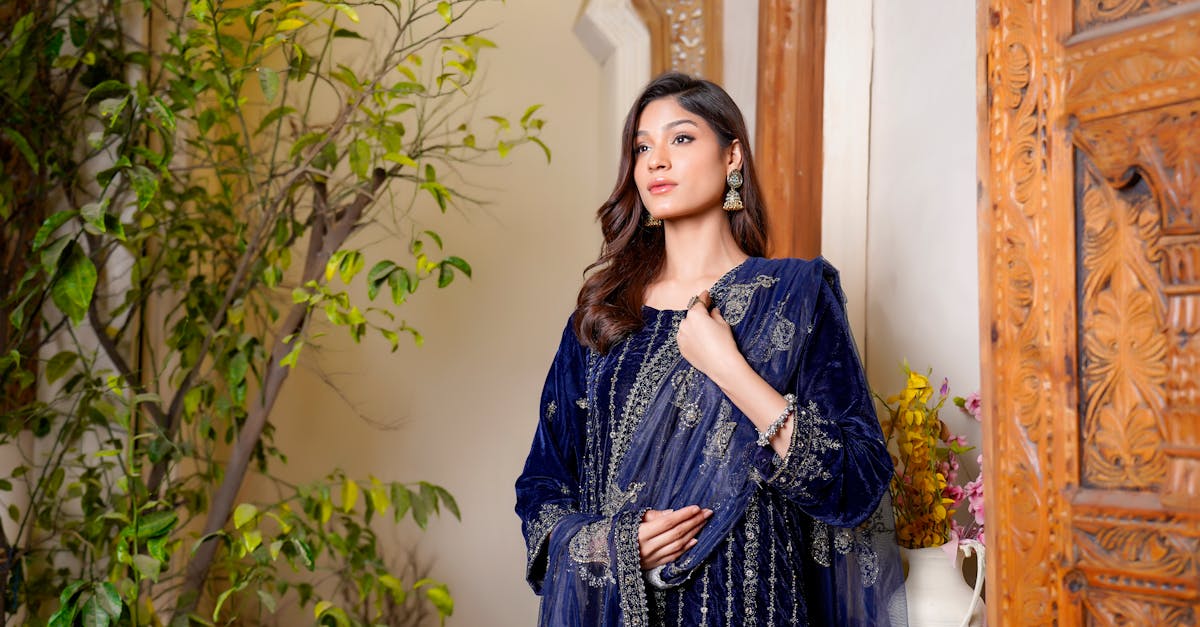
  • A Celebration of Cultures: Indian Wedding Traditions from Every Region and Religion

    image text

    A Celebration of Cultures: Indian Wedding Traditions from Every Region and Religion

    Weddings in India are far more than ceremonies — they are timeless tales of culture, emotion, family, and tradition. From the sacred chants of a Hindu pheras to the joyful beats of Punjabi dhol, Indian weddings are a symphony of rituals and colors. This guide explores wedding traditions across India’s diverse communities, honoring their uniqueness while celebrating the unifying power of love and union.

    Hindu Weddings: Sacred Vows Under Fire

    Hindu weddings comprise a series of vibrant rituals rooted in Vedas. The most recognizable moment is the saat phere (seven circumambulations around the sacred fire), symbolizing eternal togetherness.

    • Family Involvement: Elders play a central role in matchmaking and blessing the couple throughout.
    • Attire: Brides wear red lehengas with intricate zari work, while grooms adorn sherwanis and safas (turbans).
    • Celebrations: Pre-wedding functions like Mehndi and Haldi are filled with joy, music, and heartfelt conversations.

    Many North Indian weddings revolve around community dining, involving guests in every moment of celebration.

    Sikh Weddings: Sacredness of Anand Karaj

    Sikh weddings, known as Anand Karaj (Blissful Union), are deeply spiritual ceremonies conducted in a gurdwara. The couple circles the Guru Granth Sahib, exchanging vows that focus on partnership and spiritual oneness.

    • Family Presence: Parents participate in the Milni, where both families exchange garlands and love.
    • Attire: Brides often wear elegant pink or maroon salwar suits and phulkari dupattas, while grooms wear kurta-pajamas with traditional kirpans.
    • Celebrations: Bhangra and Gidda energize the post-wedding reception with vibrant dances and Punjabi folk songs.

    If you want to explore more about vibrant celebrations, check out our post on Punjabi wedding traditions.

    Muslim Weddings: The Elegance of Nikah

    The Muslim wedding, or Nikah, is a graceful and spiritual event emphasizing mutual consent and blessings. The Qazi reads sacred verses while the couple formally agrees to be partners.

    • Pre-Wedding Events: Haldi, Mehendi, and Manjha ceremonies with Qawwali evenings set the tone.
    • Attire: Brides wear richly embellished shararas or lehengas, often in hues of green or gold; grooms don sherwanis or kurta-pajamas with skull caps.
    • Emotional Essence: Traditions like Rukhsat reflect the bittersweet farewell of daughters, symbolizing transition and joy.

    Want to dive deeper into Islamic marital customs? Explore our resources on Muslim wedding customs.

    Christian Weddings: Graceful Bonds of Holy Matrimony

    Christian weddings in India blend Western customs with Indian traditions. Churches are adorned with lilies and roses as couples exchange vows before a priest.

    • Attire: Brides usually wear white gowns with veils and flowers, while grooms opt for suits.
    • Family Role: Bridal marches and unity candle lighting involve close family members.
    • Celebrations: Choral music, wedding cakes, and elegant receptions are trademarks of Indian Christian marriages.

    Explore more about Western-inspired ceremonies in India on our Christian weddings category.

    South Indian Weddings: Rituals with Temple Elegance

    From the Brahmin wedding in Tamil Nadu to the vibrant Telugu traditions, South Indian weddings combine ancient philosophies with unmatched grace.

    • Key Ritual: Kanyadaanam and Mangalya Dharanam (tying the sacred thread) are central wedding moments.
    • Attire: Brides shine in Kanjeevaram sarees and gold temple jewelry, while grooms wear white veshtis.
    • Music & Culture: Nadaswaram and mridangam echo through the hall, setting the auspicious tone.

    Temple weddings are priceless. Learn more about South Indian wedding styles.

    Bengali Weddings: The Charm of Red Alta and Mukut

    Bengali weddings are deeply emotional, artistic, and full of symbolism. The Subho Drishti, where bride and groom first look at each other, is a moving moment embraced by all.

    • Traditions: Rituals like Gaye Holud, Shubho Drishti, and Bidaai mark emotional transformations.
    • Attire: Brides wear Benarasi sarees in red or maroon shades with shankha pola bangles and a crown-like mukut.
    • Celebrations: Folk music, dhunuchi dance, and community feasting stand out.

    Immerse yourself in more about artistic wedding elements via our Bengali wedding features.

    Tribal and Regional Weddings: India’s Untold Fairytales

    Tribal weddings in parts of Jharkhand, Odisha, and Northeast India often celebrate nature, tribal deities, and community togetherness.

    • Unique Customs: Ceremonies around sacred trees, open-air feasts, and ancestral chants.
    • Attire: Handwoven fabrics and bead jewelry tell stories of the tribe’s history.
    • Music: Drums, flutes, and folk tunes light up the festivities with organic joy.

    For lesser-known traditions, browse posts under tribal and regional ceremonies.

    Delights of Indian Wedding Food & Feasting

    Food is the heart of Indian weddings. Every culture adds its own flavor, from Punjabi butter chicken to South Indian banana leaf meals.

    • North India: Rich gravies, rotis, chaats, and creamy desserts like kulfi and rabri.
    • South India: Spiced rice, sambhar vadas, and coconut-based curries served traditionally on banana leaves.
    • Bengali Cuisine: Fish delicacies and famous sweets like rasgulla and sandesh.
    • Muslim Weddings: Aromatic biryani, kebabs, kormas, and phirni leave guests mesmerized.

    Community dining tables bring together generations for laughter, blessings, and the soul of Indian hospitality. Curious to know how weddings are planned around menus? Visit our wedding food planning guide.

    Honeymoon and Beyond

    The honeymoon, or Suhaag Raat, marks a new intimate beginning. Couples plan journeys ranging from snowy Himachal towns to tropical Kerala escapes. And don’t forget post-wedding rituals like Pag Phera and Reception, adding grace and time for bonding.

    Wedding Planning Checklist:

    • Fix wedding dates with astrologers or priests
    • Select venue and caterers early
    • Organize attire trials and jewelry shopping
    • Finalize rituals and invite elder guidance
    • Book makeup artists and entertainment options

    For more ideas, browse through our complete wedding planning checklist articles.

    Conclusion: A Tapestry of Love and Tradition

    Every Indian wedding is a blend of hopes, ancestral customs, and new beginnings. Across religion or region, the soul remains the same — to unite two families for a lifetime with grace, respect, and shared rituals. May your wedding story be as vibrant as these traditions.

    Find your perfect life partner on PunjabiRishtey.com — because every culture deserves its own fairytale.

  • A Celebration of Unity: Exploring the Beautiful Diversity of Indian Wedding Traditions

    image text

    A Celebration of Unity: Exploring the Beautiful Diversity of Indian Wedding Traditions

    Weddings in India are far more than just a union of two individuals—they’re a soulful blending of families, cultures, customs, and generations of traditions. From the colorful Punjabi wedding traditions in the North to the pristine temple rituals of South Indian weddings, every region and religion brings its own unique sparkle. Let us journey through the heart of India’s vibrant matrimonial customs and understand the profound emotional and cultural tapestry they create.

    Hindu Weddings: The Sacred Bond of Seven Vows

    Hindu marriages, often called “Vivah Sanskar,” are rooted in spirituality, symbolism, and centuries-old Vedic rituals. It is not just a ceremony, but a sacred promise of dharma (duty), artha (prosperity), kama (desire), and moksha (salvation).

    • Pre-wedding: Rituals like Haldi, Mehendi, and Sangeet are celebrated with heartfelt joy and color.
    • Wedding Attire: Brides wear red or maroon lehengas or sarees, symbolizing auspiciousness. Grooms don sherwanis or dhotis with turbans.
    • Main Ceremony: The pheras around the sacred fire, sindoor daan, and mangalsutra mark the sanctity of the bond.
    • Family Involvement: Families take center stage—welcoming, blessing, and guiding every moment.
    • Music & Dance: Folk songs and Bollywood beats turn every pre-wedding function into a joyous celebration.

    Sikh Weddings: Eternal Love through Anand Karaj

    The Sikh wedding, known as Anand Karaj, reflects the blissful union of souls in the presence of Guru Granth Sahib Ji. Simplicity, spirituality, and grace define every moment.

    • Gurudwara Ceremony: The couple walks around the Guru Granth Sahib in four laavaan, symbolizing their spiritual journey together.
    • Attire: Brides often wear vibrant salwar-kameez or lehengas with traditional phulkari embroidery. Grooms wear achkans and carry ceremonial swords.
    • Family Values: Families play a deep role, from Ardas to langar arrangements.
    • Celebrations: Dhol beats, Bhangra, and Gidha light up the celebration.

    Muslim Weddings: Sacredness in Simplicity

    Muslim weddings, or Nikah, are a union of consent, blessings, and community. Held with sincerity and elegance, they are rich in both tradition and love.

    • Nikah Ceremony: The Imam leads the ceremony. Ijab-o-Qubool (offer and acceptance) marks the pact, followed by dua and blessings.
    • Wedding Attire: Brides often wear silken shararas with intricate zardozi, while grooms wear sherwanis or suits with kufis.
    • Traditional Touches: The Mehar (dower), Aqdam, and Chadar Chalai reflect familial honor and respect.
    • Celebration Elements: The reception (Walima) features hearty Mughlai dishes and soulful Qawwali music.

    Christian Weddings: Uniting with Grace under the Church Aisle

    Christian weddings in India are a graceful symphony of tradition, vows, and divine blessing. While customs vary regionally (e.g., Goan, Anglo-Indian, Tamil Christian), the essence of the sacred union remains universal.

    • Ceremony: Held in churches with the classic wedding march, exchange of rings, vows, and holy communion.
    • Attire: Brides wear beautiful white gowns with veils, and grooms opt for tailored suits or tuxedos—grace on full display.
    • Family Involvement: Parents ‘give away’ the bride, and blessings are sought during unity prayers.
    • Celebrations: Hymns blend into vibrant reception parties with ballroom dancing and multi-tier cakes.

    Jain Weddings: A Bond of Simplicity and Purity

    Jain weddings are deeply spiritual, upholding values of truth, non-violence, and simplicity.

    • Rituals: Lagan Lekhan, Phere (7 rounds), and Granthi Bandhan rituals reflect lifelong commitment.
    • Attire & Decor: Elegant sarees or lehengas with minimal jewelry for brides; traditional kurtas for grooms.
    • Celebrations: Quiet, introspective, and family-centric ceremonies with subtle elegance.
    • Spiritual Touch: No non-veg or alcohol; the emphasis is on inner peace and harmony.

    Buddhist Weddings: Serenity in Sacred Simplicity

    Buddhist weddings focus on mindfulness, compassion, and karmic union. The rituals are serene, often conducted in monasteries or temples.

    • Monk Blessings: No priest, but monks chant sutras and bless the couple with well-wishes.
    • Clothing: Simple traditional outfits like silk or cotton attire in soft, light colors.
    • Family Role: Gifts, blessings, and teachings are shared rather than lavish displays.

    Parsi Weddings: Lagan with Laughter and Devotion

    Parsi weddings are exuberant, elegant, and filled with ancient symbolism from the Zoroastrian faith.

    • Lagan Rituals: Achumichu (purification), exchanging wreaths, and tying of the sacred thread (kasti).
    • Wedding Dress: Brides wear white sarees, and grooms wear daglis with traditional pheta caps.
    • Food & Fun: Laughter, storytelling, and rich delicacies make it unforgettable.

    Tribal and Regional Indian Weddings

    Across India’s northeastern and tribal communities, marriages are deeply rooted in nature, rhythm, and symbolism.

    • Naga and Khasi Weddings: Held outdoors amidst greenery. Music, dance, and clan traditions define the event.
    • Gond and Bhil Tribes: Earth, fire, and air are invoked symbolically. Jewelry crafted from natural elements stands out.
    • Community Celebration: Entire villages participate, honoring ancestral customs.

    Explore more about these fascinating traditions in our featured post on tribal marriages across India.

    Regional Wedding Flavors: North, South, East & West

    • North India: Big fat weddings! From Delhi-style baraats to Himachali folk tunes.
    • South India: Sacred temple ceremonies, jasmine garlands, and classical nadaswaram music.
    • East India: Bengali and Oriya nuptials offer artistic rituals and symbolic rites like Shubho Drishti and Paka Dekha.
    • West India: Maharashtrian simplicity and Gujarati Garba charm infuse joy into every moment.

    The Culinary Soul of Indian Weddings

    Indian wedding feasts are legendary. They go far beyond mere indulgence and carry deep cultural meaning.

    • Regional Menus: From buttery Punjabi dal makhani to spicy Chettinad curries in Tamil Nadu, diversity overflows.
    • Sweets & Desserts: Rasgullas in Bengal, Gujjiyas in UP, Bebinca in Goa—every dessert carries nostalgia.
    • Community Dining: Banquet-style or leaf-plate thalis, eating together signifies unity and hospitality.
    • Cultural Ritual Foods: Satvik meal for Jain weddings, halal for Muslim weddings, or Satvik bhojan for Hindu ceremonies.

    Indian Wedding Planning Checklist

    • Fixing the muhurat or wedding date with family elders/pandits or astrologers
    • Booking pre-wedding photographers and stylists
    • Venue selection based on culture—temple, banquet hall, gurudwara, mosque, or home
    • Arranging attire, jewelry, and ceremonial items in advance
    • Planning music, sangeet, and dhol or cultural dance programs
    • Menu coordination with food vendors to ensure religious and cultural adherence

    And of course, honeymoon planning begins once the rituals conclude—with destinations like Kerala backwaters, Kashmir valleys, or Andaman beaches topping the list.

    Conclusion: Where Love Meets Legacy

    Indian weddings are poetic celebrations of not just love but heritage. Every ritual, flower, and drumbeat rings with the voices of ancestors past and hopes for generations to come. Honor, humor, tradition, and modern dreams walk hand-in-hand on the mandap, the aisle, or the wedding field.

    Your perfect match may be just a click away. Start your journey with PunjabiRishtey.com—where tradition meets today’s heartbeat.

  • The Magic of South Indian Weddings: Traditions, Rituals & Vibrant Celebrations

    image text

    The Magic of South Indian Weddings: Traditions, Rituals & Vibrant Celebrations

    South Indian weddings are not just ceremonies — they’re vibrant stories woven with heritage, devotion, music, traditions, and love. Be it the melodic nadaswaram echoing in temple halls or the scent of jasmine and sandalwood in the air, every element of a South Indian marriage speaks volumes about the family’s roots and values. Across Tamil, Telugu, Kannada, and Malayalam cultures, these weddings unfold as spiritually rich and emotionally moving experiences.

    Understanding the Rituals in South Indian Weddings

    1. The Pre-Wedding Ceremonies

    Most South Indian weddings begin with Ganesh Puja and Nischayathartham (engagement), symbolizing the formal agreement between families.

    • Panda Kaal Muhurtham: A prayer for a smooth wedding without obstacles, where both families seek blessings from their household deity.
    • Naandi Shraddham: Held to honor ancestors, ensuring their spiritual presence during the wedding.
    • Kashi Yatra: A humorous ritual where the groom pretends to renounce worldly life, only to be convinced back by the bride’s father claiming a better path via marriage.

    2. The Wedding Day

    The main ceremony includes Kannika Daanam, where the bride’s family gives her away, followed by Maangalya Dharanam, the tying of the sacred thread — thaali or mangalsutra.

    • Saptapadi or Seven Steps: The couple takes vows around the sacred fire.
    • Talambralu (in Telugu weddings): The couple showers each other with rice mixed with turmeric and saffron — a moment of joy and laughter.
    • Oonjal Ceremony: The couple sits on a swing while relatives sing traditional songs and offer blessings.

    3. Wedding Attire & Family Involvement

    Brides wear stunning silk saris in hues of gold and red while adorned with temple jewelry. The grooms sport crisp white veshtis or panche with angavastrams. The family plays a pivotal role — from uncles holding the sacred canopy to aunts singing traditional Tirukural verses.

    4. Music, Dance & Emotional Celebrations

    Live nadaswaram and mridangam set the soul-stirring ambience. Folk songs, Kolattam and Bharatanatyam performances bring an artistic flair. Elder blessings, teary-eyed mothers, and joyful cousins create priceless memories.

    Regional Variations Within South Indian Weddings

    Tamil Weddings

    • Held early in the morning, often in temples or community halls.
    • Usage of banana stalks and mango leaves for décor symbolizes prosperity.
    • Tamil Brahmin rituals focus greatly on Vedic chants and spiritual purity.

    Telugu Weddings

    • Famous for the Jeelakarra Bellam ritual — placing cumin and jaggery on each other’s head as a sign of acceptance.
    • Often lasts for 2-3 days, with extensive singing and community involvement.

    Kannada Weddings

    • Include a Dev Karya ritual where the wedding invitation is placed before Lord Ganesha at a temple.
    • Often combine both traditional and contemporary rituals, based on the family’s practices.

    Malayali (Kerala) Weddings

    • Simple and elegant, often completed in under an hour in temples or ancestral homes.
    • Thalikettu (tying the knot) is the central ritual, followed by Sadhya, a lavish vegetarian meal served on banana leaves.

    Delicious Regional Food & Wedding Feasts

    No South Indian wedding is complete without a traditional feast — served lovingly on banana leaves with as many as 20–30 dishes.

    • Wedding Sadhya: Includes avial, olan, pachadi, rasam, sambhar, payasam, papadam, and more.
    • Karnataka Weddings: Serve bisibelebath, mysore pak, and kosambari as lip-smacking favourites.
    • Tamil Weddings: End with filter coffee and sweet pongal as blessings in edible form.
    • Telugu Weddings: Feature spicy pickles, bagara rice, and creamy gajar ka halwa.

    Most importantly, these meals become moments of community — where hundreds are fed together, celebrating love and togetherness. For inspiration on bridal menu planning, explore our Indian wedding food guide.

    Planning Tips & Ritual Checklist

    • Book a traditional venue 3–6 months in advance.
    • Hire a pandit familiar with your regional language and customs.
    • Select authentic attire and jewelry matching cultural lineage.
    • Prepare wedding invites in local scripts for elders to appreciate.
    • Plan your honeymoon early — Kerala backwaters or Ooty hills are newlywed favourites.

    Conclusion: Blending Traditions With Timeless Love

    South Indian weddings are more than rituals — they are soulful celebrations of love, culture, and family. The scent of camphor, the rhythm of chants, the warmth of blessings — all echo in the hearts of the couple forever. With every flower tied in the garland and every grain of rice thrown in joy, these moments bind not just two souls, but generations of tradition.

    Whether you’re planning your big day or dreaming of your life partner, let traditions guide your way. Find your perfect life partner on PunjabiRishtey.com — where culture meets compatibility.

  • Timeless Traditions of South Indian Weddings: Rituals, Attire & Cultural Grandeur Explained

    image text

    Timeless Traditions of South Indian Weddings: Rituals, Attire & Cultural Grandeur Explained

    South Indian weddings are a divine symphony of age-old rituals, radiant silk sarees, fragrant flowers, and profound family bonds. These ceremonies are not just unions between two people—they are sacred celebrations that honor ancestry, customs, and spiritual traditions rooted in centuries-old practices. Whether you’re from Tamil Nadu, Kerala, Karnataka, or Andhra Pradesh, the soul of a South Indian wedding lies in its elegance, devotion, and festive vibrancy.

    South Indian Wedding Rituals: More Than Just a Ceremony

    Pre-Wedding Functions

    • Naandi: A puja offering prayers to ancestors and deities for a smooth wedding.
    • Vratham: A fast and prayer performed by the bride and groom separately before the wedding.
    • Pellikuthuru / Kalyanam Function: The South Indian version of the haldi ceremony, where turmeric is blessed and applied.

    South Indian weddings place high importance on auspicious timings determined by astrologers. Each ritual like Kanyadaanam (giving the bride away) and Saptapadi (seven sacred vows) are performed with Vedic chants and the deep blessings of the elders.

    Attire & Jewelry

    The bride wears a Kanjeevaram silk saree paired with temple jewelry and striking traditional hairstyles adorned with jasmine garlands. The groom typically dons a white or cream-colored mundu or dhoti with gold borders. In Karnataka, Mysore silk takes center stage, while brides in Andhra flaunt Gadwal or Pochampally sarees.

    Family, Music & Emotional Bond

    South Indian weddings are deeply family-centric. Elders guide every ritual, relatives gather from across the country, and temple priests conduct the ceremonies with reverence. The sounds of nadaswaram and mridangam instruments elevate the spiritual ambiance while creating an emotional connection through music.

    To explore how Punjabi families celebrate with the same emotional depth, visit our collection on Punjabi wedding traditions.

    Regional Glimpses Across South India

    Tamil Weddings

    • Oonjal (swing) ceremony: Bride and groom seated on a decorated swing, signifying the ups and downs of life.
    • Mangalya Dharanam: Sacred moment when groom ties the mangalsutra.
    • Banana leaves and turmeric dominate the décor and meals.

    Telugu Weddings

    • Jeelakarra Bellam: The couple places cumin and jaggery paste on each other’s heads, symbolizing unity.
    • Madhuparkam: A simple white saree with red border worn by the bride for certain rituals.

    Kannada Weddings

    • Nischay Tamulam: Family exchange betel leaves and gifts as a sign of agreement.
    • Kashi Yatre: A fun ritual where the groom pretends to renounce worldly life, only to be convinced by the bride’s family to marry.

    Click here for more insights into Brahmin wedding rituals across India.

    Malayali Weddings

    • Minimalist elegance: Commonly held in temples, the focus is spiritual rather than extravagant.
    • Thalikettu: Groom ties the thali (mangalsutra) around the bride’s neck in a brief yet powerful moment.

    Interested in elegant yet minimalist weddings? Discover our curated list of simple and soulful matrimonial stories.

    Delightful Feasts: The Heart of Every South Indian Wedding

    No South Indian celebration is complete without a traditional sadhya or elaborate plantain-leaf meal. From Kerala’s Avial and Payasam to Tamil Nadu’s Vatha Kuzhambu, the flavors vary but the abundance remains constant. Community dining is a sacred gesture of unity and identity.

    Sweets like Mysore Pak, Kozhukattai, and Kesari leave guests delighted, while filter coffee flows throughout the day.

    Honey Moon & Beyond

    • Popular honeymoon destinations include Munnar, Coorg, and Andaman Islands.
    • Wedding planning includes astrology, venue bookings, vedic rituals, and saree shopping trips with female relatives.

    Explore our expert checklist for wedding planning for South Indian brides to ensure nothing is missed.

    Wedding Planning Checklist for South Indian Ceremonies

    • Fix Muhurtham (auspicious date) based on family astrologer
    • Book temple or marriage hall as per community traditions
    • Purchase traditional Kanjeevaram or regional silk attire
    • Coordinate with family priest or book a wedding priest early
    • Arrange ceremonial items: coconut, betel leaves, turmeric, flowers
    • Plan music ensembles — traditional Nadaswaram or Carnatic singers

    Conclusion: Love Rooted in Culture

    South Indian weddings are more than rituals—they’re soulful celebrations of dharma (duty), samskara (values), and family honor. As modern couples cherish tradition, these weddings keep evolving while staying deeply rooted.

    Looking for a soulmate who values family, tradition, and cultural harmony? Find your perfect life partner on PunjabiRishtey.com.

  • A Soulful Journey Through Indian Wedding Rituals: From Mehendi to Mangalya

    image text

    A Soulful Journey Through Indian Wedding Rituals: From Mehendi to Mangalya

    In India, a wedding is not just a ceremony — it is an emotional voyage, a sacred promise, and a vibrant celebration of two families coming together. From the singing at a Punjabi wedding to the fragrant turmeric in a Kerala bridal Haldi, every region carries its own traditions and blessings for the couple. Each ritual whispers the wisdom of generations, passing down love, duty, and devotion. Let’s explore the magical essence of Indian wedding traditions across communities and cultures.

    1. Hindu Weddings: Sacred Fires and Eternal Bonds

    Hindu weddings are steeped in Vedic symbolism and spiritual rituals. The ceremonies span multiple days and revolve around purity, family, and sacred union.

    • Rituals: Begins with Ganesh Puja, Haldi, Mehendi, and culminates in the Saptapadi (seven sacred steps taken around the fire).
    • Family Involvement: Elders bless the couple during Kanyadaan, where the bride is lovingly given away by her parents.
    • Attire: The bride dons a red or maroon lehenga or saree adorned with gold embroidery, while the groom wears a sherwani and safa.
    • Music & Celebrations: Traditional dhol and shehnai fill the air as guests dance joyously through the baraat and reception.
    • Cultural Insight: The mangalsutra & sindoor signify marital status and are deeply respected in Hindu homes.

    2. Sikh Weddings: Simplicity and Spiritual Union

    Known as Anand Karaj, Sikh weddings emphasize equality, divine unity, and shared life journeys.

    • Ceremonies: Conducted at a Gurudwara, the couple walks around the Guru Granth Sahib during Laavan.
    • Family Bonds: Ardaas and blessings from granthi and elders highlight community strength.
    • Attire: Brides often wear brightly colored lehengas with traditional Punjabi jewellery; grooms in turbans with ceremonial swords.
    • Celebrations: Balle balle energy in the Sangeet, with giddha and bhangra lighting up every heart.
    • Insights: Langar or community meal underscores humility and shared abundance.

    3. Muslim Weddings: Grace, Elegance, and Faith

    Muslim weddings, or Nikah ceremonies, are poetic, spiritual, and elegant. The focus is on mutual commitment, with an emphasis on grace and devotion.

    • Main Rituals: The Nikah contract is read with Quranic verses in presence of elders and witnesses.
    • Family Role: Mehr (dower) is mutually agreed upon by bride’s family and groom as a gesture of security and respect.
    • Attire: Brides wear elegant shararas or lehengas with dupattas, often in green or gold; grooms in Achkan or sherwani with a prayer cap.
    • Celebrations: Qawwali, pre-wedding mehfils, and spiritually rich recitations make the ambiance deeply emotional.
    • Values: Privacy, consent, and dignity are highly emphasized in Muslim unions.

    4. Christian Weddings: Bells, Blessings and White Gowns

    Indian Christian weddings combine western rituals with regional customs, creating a serene and graceful experience.

    • Ceremony: Held in churches, officiated by priests; ‘I do’ is exchanged along with rings.
    • Family Blessings: Parents often present the Bible or cross to the newlyweds symbolizing guidance.
    • Outfits: Brides in white gowns with veils; grooms in tuxedos or traditional suits.
    • Celebrations: Choirs sing during mass; post-wedding receptions include cake cutting and western or Kerala-style cuisines.
    • Emotions: Sharing vows in front of God symbolizes lifelong loyalty and love.

    5. Jain Weddings: Peaceful, Pure, and Philosophical

    • Rituals: Phere (circumambulations) are performed without Agni, in front of an idol or sacred scriptures.
    • Attire: Ivory or peach-colored sarees and sherwanis reflect purity and non-violence.
    • Values: Compassion, control of desires, and peaceful coexistence bless the couple’s voyage.

    6. Buddhist Weddings: Minimalist Yet Mindful

    • Rituals: Ceremony involves reciting Buddhist vows and prayers near a Buddha idol or monastery.
    • Celebrations: Calm, spiritual ambiance with vegetarian feasts and folk dances.
    • Apparel: Traditional silk sarees, often in shades of golden or red, with minimalistic jewellery.

    7. Parsi Weddings: Ethereal Elegance

    • Highlights: Held in Agiary (Fire Temple), with rituals like Achumichu and Haath Borvanu (washing hands ritual).
    • Outfits: Brides in Gara sarees and groom in Parsi Dagli with feta.
    • Celebrations: Festive dining with Patrani Machhi and Lagan-nu-Custard.

    8. Tribal & Regional Weddings of India

    Tribal or indigenous communities offer deeply connected, earthy celebrations.

    • Customs: In Nagaland, wedding dances and attire made from animal motifs symbolize ancestry strength.
    • Southern Rituals: In a Tamil wedding, tying a yellow thread (thaali) marks sacred union.
    • Bengali Styles: Topor (bride’s crown) and Shubho Drishti are symbols of grace and modesty.

    Indian Wedding Food & Feast: A Culinary Celebration

    No Indian wedding is complete without a grand feast. Food becomes the heart of celebration — much like love. Shared meals symbolize the unity of two families, and each region brings its glorious flavors to the table.

    • North India: Butter chicken, dal makhani, and jalebi on rich buffets. Rajasthani weddings include dal baati churma and gatte ki sabzi.
    • South India: Served on banana leaves; includes sambhar, avial, and filter coffee in Tamil and Kerala weddings.
    • Gujarati Weddings: Sweet-spicy dishes like undhiyu, khandvi, and shrikhand steal the spotlight.
    • Muslim & Mughlai Cuisine: Biryani, kebabs, shahi tukda at a Muslim wedding celebration speak royalty.

    The Honey Moon & Rituals Checklist

    • Pre-Wedding: Date setting, venue booking, bridal/groom outfits, guest lists.
    • Ceremonial: Engage spiritual/religious leader, plan rituals (pujas, mehendi, haldi).
    • Reception Plan: Food menu, entertainment, photography.
    • Post Wedding: Vidaai, grihapravesh, honeymoon itinerary.
    • Don’t forget to check our complete wedding checklist guide.

    Conclusion: A Journey of Hearts and Heritages

    Indian weddings embody more than rituals — they nestle centuries of wisdom, joy and familial pride. Regardless of where in India the wedding happens, one theme is universal: love built on the foundation of culture and respect. As you prepare for your sacred union, let each tradition guide you with warmth.

    Find your perfect life partner on PunjabiRishtey.com and begin your own unforgettable wedding story.