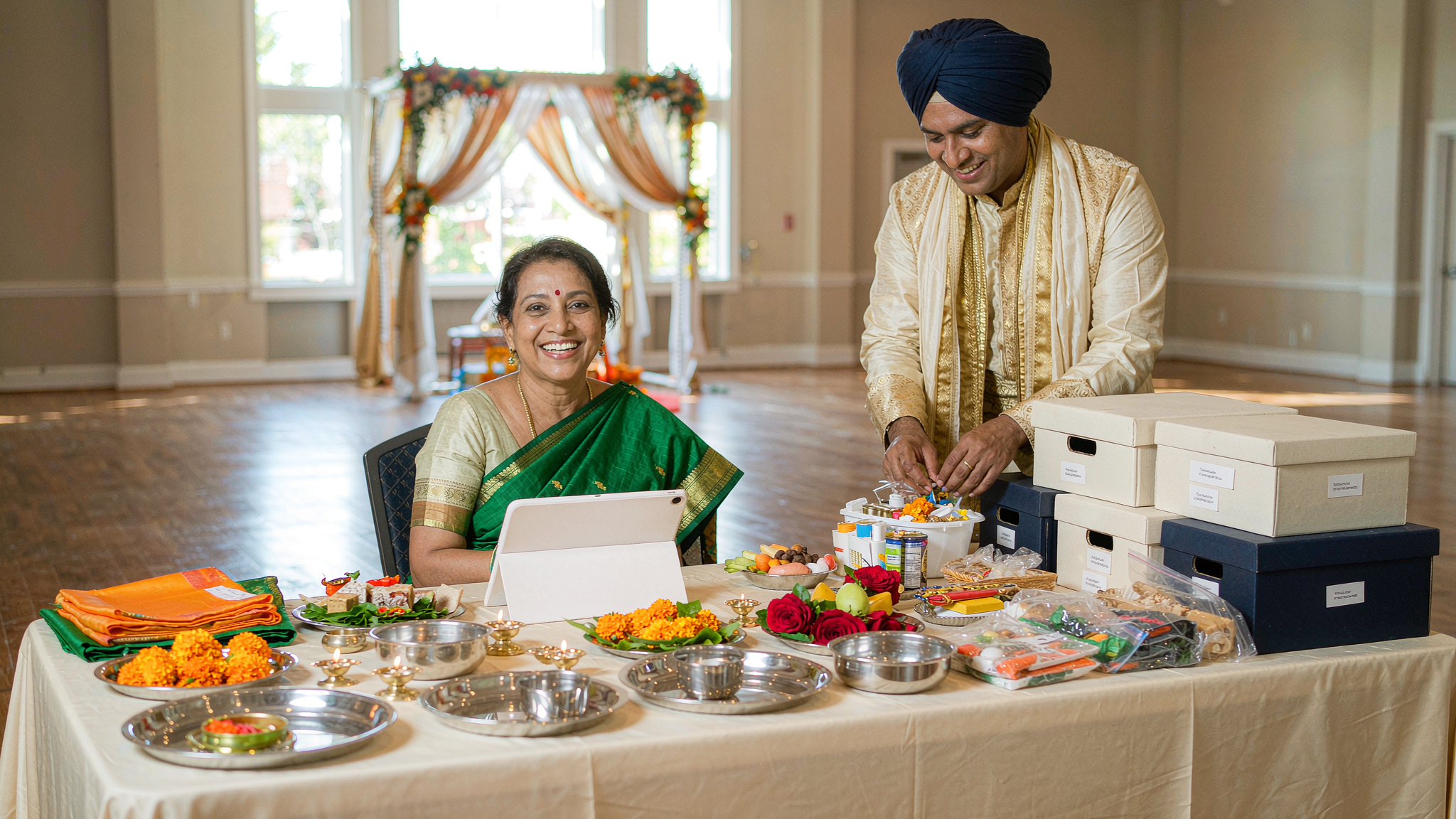
Indian Wedding Puja and Ceremony Supplies in the USA: What to Buy Locally and Source Early
Indian wedding ceremonies may require specific supplies, vessels, textiles, offerings, flowers, lamps, books, food ingredients, or family heirlooms. In the USA, many items can be found through temples, South Asian grocery stores, religious shops, florists, event decorators, online sellers, or local markets. Other items may be seasonal, regional, ceremony-specific, or difficult to replace at the last minute.
This guide helps families create a respectful supply plan without assuming that every Hindu, Sikh, Muslim, Christian, Jain, Buddhist, Parsi, regional, or interfaith wedding uses the same objects.
Start with the officiant and ceremony
The first source of truth should be the officiant, religious leader, family elder, or ceremony coordinator. Ask for a written list, the preferred materials, quantity, acceptable substitutes, and who is responsible for each item.
- Confirm the ceremony type and regional tradition.
- Ask which supplies are essential and which are optional.
- Identify items the officiant or venue will bring.
- Separate disposable offerings from reusable family items.
- Ask about vegetarian, allergy, fragrance, fire, and food-handling rules.
- Confirm whether the ceremony is at a home, temple, gurdwara, church, hotel, hall, or outdoor venue.
Common Indian wedding ceremony supply categories
| Category | Possible items | Planning question |
|---|---|---|
| Vessels and trays | Metal trays, bowls, cups, pots, plates, spoons, and containers | Which material, size, quantity, and reuse plan does the ceremony require? |
| Textiles | Cloths, scarves, dupattas, mats, table coverings, or ceremonial fabrics | Does the family have a traditional textile or preferred color? |
| Flowers and leaves | Garlands, loose flowers, hair flowers, leaves, or decorative arrangements | Are fresh, artificial, preserved, or local alternatives acceptable? |
| Food and offerings | Fruit, grains, sweets, spices, water, milk, nuts, or other approved ingredients | Who will buy, prepare, label, store, and deliver food safely? |
| Light and fragrance | Lamps, candles, incense, oil, wicks, or fragrance materials | Does the venue allow flame, smoke, heat, or strong fragrance? |
| Printed or sacred materials | Prayer books, programs, readings, names, or ceremony instructions | Who supplies the correct language, version, and pronunciation guidance? |
| Practical supplies | Water, towels, tissues, gloves, bags, labels, storage boxes, and cleanup materials | Where will supplies be stored before and after the ceremony? |
Regional and religious differences matter
Indian wedding ceremonies vary across Punjab, South India, Bengal, Gujarat, Maharashtra, Rajasthan, Assam, Odisha, Kashmir, and many other regions. Hindu ceremonies may differ by family and regional practice. Sikh Anand Karaj, Muslim nikah and walima, Christian weddings, Jain ceremonies, Buddhist weddings, Parsi traditions, and interfaith celebrations also have their own expectations.
Do not combine supplies from different traditions simply because they look familiar. Ask the people leading the ceremony what is meaningful and appropriate.
What USA families can often buy locally
Many USA cities have South Asian communities and stores that carry common household, food, clothing, floral, and ceremonial supplies. Availability varies by location and season, so call before traveling.
- Metal trays, bowls, lamps, cups, and household vessels
- Basic textiles, scarves, mats, and decorative fabrics
- Rice, lentils, spices, nuts, packaged sweets, and shelf-stable ingredients
- Incense, wicks, candles, and some lamp oils where permitted
- Artificial flowers, decorative garlands, and common floral supplies
- Gift bags, storage boxes, labels, and event-planning materials
- Common jewelry, clothing accessories, and family gift items
What may be difficult to find in the USA
Exact regional items, a specific vessel shape, fresh seasonal leaves, large quantities of jasmine or marigolds, a preferred incense, a particular printed prayer text, custom handmade pieces, and family-specific textiles may require more time.
| Possible hard-to-find item | Why it may be difficult | Planning response |
|---|---|---|
| Fresh regional flowers or leaves | Season, climate, freshness, and quantity | Ask a florist about local substitutions or reserve fresh items early. |
| Custom handmade vessel or tray | Craft availability and shipping time | Use a family-owned item, approved local vessel, or order well ahead. |
| Specific regional textile | Limited inventory, custom colors, or family significance | Bring it from a trusted family source or identify a respectful substitute. |
| Exact prayer book or printed text | Language, version, publisher, and copyright differences | Ask the officiant to supply or approve the correct material. |
| Special incense or oil | Fragrance, venue rules, shipping, and import restrictions | Confirm the venue and choose an approved local option if needed. |
| Fresh or homemade food offering | Food safety, storage, transport, and venue policy | Ask the caterer or officiant about safe preparation and labeling. |
USA shopping sources
Families may find ceremony supplies through Indian grocery stores, South Asian boutiques, temples, gurdwaras, religious bookstores, florists, event rental companies, wedding decorators, local craft shops, online sellers, and community recommendations.
| Source | Best for | Verify before buying |
|---|---|---|
| Temple, gurdwara, church, mosque, or religious community | Guidance, officiant-approved lists, and community knowledge | Whether the venue or officiant supplies the item. |
| Indian grocery or South Asian market | Food, spices, sweets, lamps, incense, vessels, and common supplies | Ingredients, freshness, quantity, labeling, and pickup timing. |
| Event decorator or rental company | Mandap, altar, trays, textiles, lighting, and setup | Installation, venue permission, deposit, and cleanup terms. |
| Florist | Garlands, fresh flowers, leaves, hair flowers, and ceremony decor | Seasonal availability, freshness, substitutions, and delivery. |
| Online specialty seller | Regional items, textiles, books, artificial decor, and custom products | Shipping date, returns, authenticity, materials, and emergency alternatives. |
| Family or community artisan | Handmade or heirloom-style items | Care, transport, value, safe storage, and consent for reuse. |
How early should supplies be purchased?
| Timing | Action | Why it helps |
|---|---|---|
| Several months ahead | Ask the officiant for the supply list and identify custom or imported items | Allows time for questions, tailoring, shipping, and substitutions. |
| One to two months ahead | Buy reusable vessels, textiles, books, decor, and shelf-stable supplies | Protects against local inventory changes. |
| A few weeks ahead | Confirm flowers, fresh food, sweets, oils, incense, and venue rules | Reduces freshness and delivery problems. |
| Event week | Pack, label, count, and assign every item | Makes it clear who carries, stores, presents, and returns each item. |
| Event day | Keep a coordinator’s supply box and emergency substitutes | Prevents the couple from leaving the ceremony to find missing items. |
Build a ceremony supply checklist
- Write the ceremony name and the person responsible for the list.
- Record every required item, quantity, material, and preferred source.
- Mark items as family-owned, venue-provided, purchased, rented, or still needed.
- Separate food, flowers, fragile vessels, textiles, books, and flame-related items.
- Label boxes by ceremony and event time.
- Keep a substitute only when the officiant or family approves it.
- Assign a person to transport, store, present, and return reusable items.
Venue and safety questions
USA venues may restrict candles, incense, open flame, smoke, water, food, flowers, hanging objects, outdoor offerings, or cleanup materials. Ask for written policies before buying supplies.
- Are lamps, candles, incense, oil, or flame allowed?
- Can water, milk, flowers, fruit, grains, or food be used at the venue?
- Who handles cleanup and disposal after the ceremony?
- Are outside vendors, decorators, florists, or caterers allowed?
- Where can supplies be stored before the ceremony?
- Is the ceremony area accessible for elders and guests with mobility needs?
- Are there restrictions on fragrance, smoke, pollen, or food allergens?
Respect family and religious boundaries
Some ceremony details are private, sacred, or meaningful only when handled by specific family members or religious leaders. Ask before moving objects, photographing supplies, publishing a checklist, or sharing ritual instructions online.
When in doubt, follow the officiant and family rather than a generic internet list. A respectful alternative is better than a confident but incorrect assumption.
USA planning for flowers, decor, and mandap supplies
For flowers and garlands, see the related Indian wedding flowers and garlands guide. For stage and mandap rentals, read the USA Indian wedding mandap and decor guide.
Privacy and secure shopping
Supply orders may include home addresses, venue access details, family phone numbers, payment information, and private ceremony schedules. Use trusted vendors, secure payments, limited document access, and delivery instructions that do not expose sensitive information.
How PunjabiRishtey fits into the family journey
PunjabiRishtey supports the matchmaking stage before couples and families begin coordinating ceremonies, supplies, venues, and vendors. Explore Punjabi matrimonial profiles, review USA matrimonial options, read membership information, or register a profile.
Frequently asked questions
Where can I buy Indian wedding ceremony supplies in the USA?
Try Indian grocery stores, South Asian boutiques, religious communities, florists, decorators, rental companies, online specialty sellers, and family or community artisans.
What Indian wedding supplies may be hard to find in the USA?
Exact regional vessels, fresh seasonal flowers or leaves, custom handmade items, specific prayer texts, family textiles, and specialty fragrance or food products may require advance sourcing.
Can I substitute ceremony supplies?
Only after asking the officiant, family elder, or ceremony coordinator. A local substitute may be appropriate, but the decision should come from people responsible for the ceremony.
How early should I order puja or ceremony supplies?
Start several months ahead for custom, imported, seasonal, or family-specific items. Buy common reusable and shelf-stable items earlier, then confirm fresh supplies near the event.
What should I do if an item is missing on the wedding day?
Contact the officiant or coordinator immediately. Use an approved substitute, borrow from a trusted community source, or adjust the plan rather than improvising a sacred or safety-sensitive item.
Final takeaway
Indian wedding ceremony supplies in the USA are easiest to manage when families begin with the officiant’s list, separate essential items from decorative extras, shop through trusted local and community sources, order difficult items early, and keep approved backups. Good planning protects the ceremony, the family, the venue, and the meaning behind each tradition.
Leave a Reply