Blog

  • South Indian Wedding Traditions: A Timeless Celebration of Love & Culture

    image text

    South Indian Wedding Traditions: A Timeless Celebration of Love & Culture

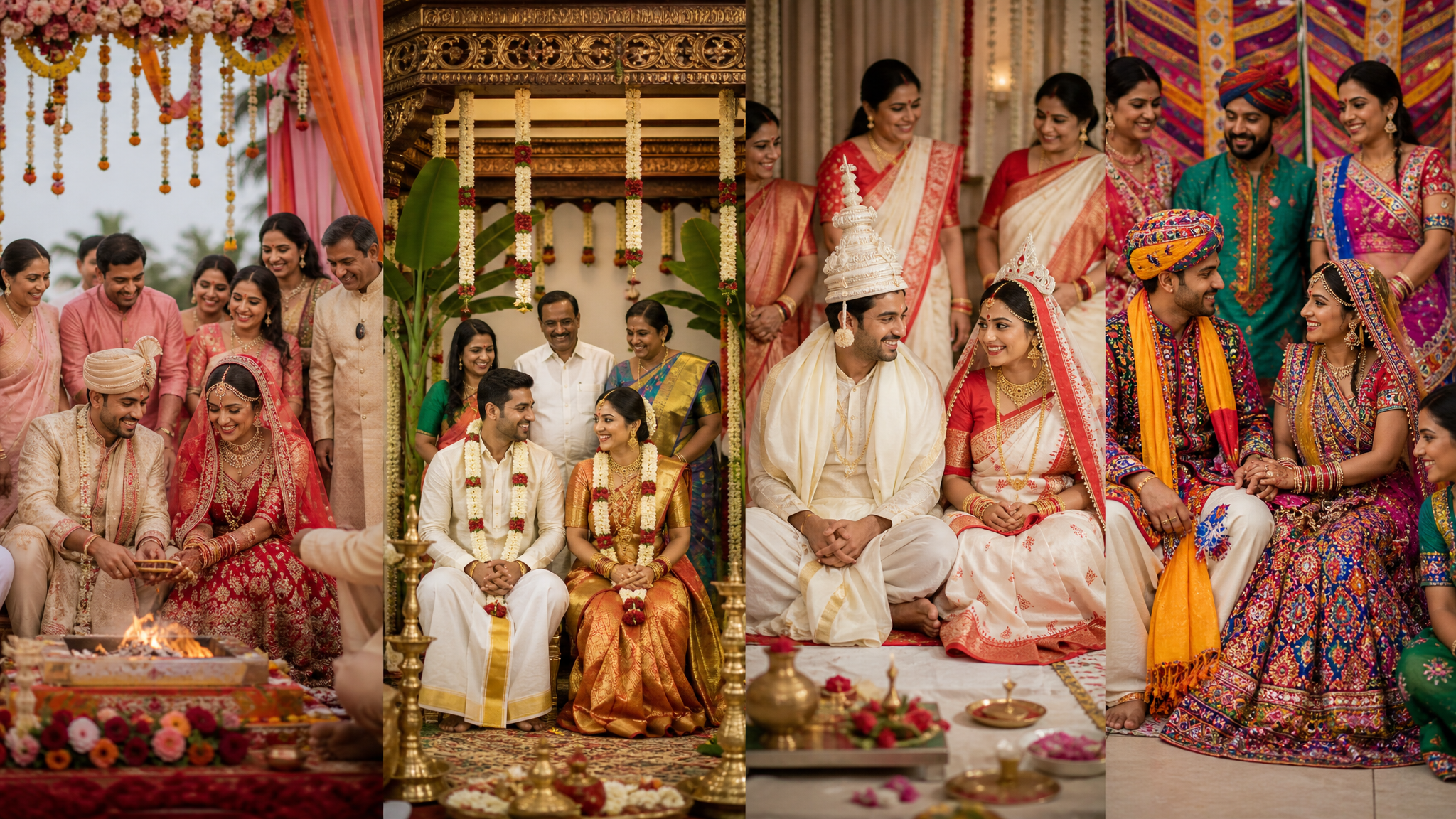
    South Indian weddings are not just unions of two souls—they’re beautifully orchestrated festivals of tradition, music, family, and heartfelt blessings. With sacred fire as a witness and generations of customs layered in rituals, these weddings epitomize devotion, respect, and unity. Let’s take you through the magical journey of a typical South Indian wedding and why it’s so cherished—especially by families seeking deep-rooted values and divine connections on PunjabiRishtey.

    💫 Rituals at the Heart of the South

    1. Pre-Wedding Ceremonies

    • Nischayathartham: The engagement where horoscopes are matched and family blessings exchanged.
    • Panda Kaal Muhurtham: A sacred invocation for a peaceful wedding.
    • Haldi and Mehendi conversations are subtle here, often private and family-focused.

    2. The Grand Wedding Day

    • Kanyadaanam: The bride’s father solemnly offers his daughter to the groom under spiritual vows.
    • Mangalya Dharanam: The sacred tying of the Madisar (mangalsutra) amid chants, witnessed by Agni (fire god).
    • Saptapadi: Seven symbolic steps around the fire, vowing trust, respect, and partnership for life.

    Family elders play a huge role—blessing each stage and guiding with wisdom. The bride’s maternal uncle may help tie the sacred knot, and both families unite in joyful rituals, reflecting strong familial harmony—a quality valued deeply in PunjabiRishtey’s matrimonial approach.

    👰 Traditional Attire for Bride & Groom

    The South Indian bride often wears a richly woven Kanjeevaram silk saree with temple jewelry studded with rubies, emeralds, and gold carvings. Her hair is adorned with Jada Gantalu (braided flowers and gold accessories).

    The groom is dressed simply in white angavastram and dhoti but carries grace and depth in symbolism. The sacredness of simplicity is celebrated—a reminder that elegance lies in tradition.

    🎶 Music & Celebrations with Soul

    Live Nadaswaram and Tavil sounds echo throughout the wedding halls, creating a spiritually charged atmosphere. Classical South Indian devotional music uplifts the emotions of everyone present. Post-wedding, families rejoice with folk songs and sometimes slow graceful dances passed down through generations.

    🌍 Love Beyond Borders: Regional South Indian Nuances

    • Tamil Weddings: Start early morning with sacred fire rituals and are rooted in Vedic traditions.
    • Telugu Weddings: Feature Jeelakarra-Bellam (cumin-jaggery paste) applied by bride and groom on each other’s foreheads to symbolize inseparable sweet unity.
    • Kannada Weddings: Highlight the Kashi Yatra, where the groom pretends renunciation until persuaded to marry by the bride’s father.
    • Malayali Weddings: Often take place in temples with minimalism and elegance, with just a thali/mangalsutra as the binding symbol.

    Each carries its soulful meaning, passed down from the Vedas to a modern world. Families choosing partners from South Indian bride matches often seek this spiritual foundation in life partners.

    🍛 Food & Feasts: A Divine Affair

    Food plays a central role. After rituals, all guests sit on the floor traditionally as banana leaves are served with life-rich delicacies. A classic South Indian wedding feast includes:

    • Sambar-Rice, Avial & Rasam
    • Banana Chips, Pickles & Curd
    • Payasam (South Indian Kheer), Kesari, and Coconut Ladoo

    This community meal symbolizes equality under divinity. Food unites guests—just as matrimonial services on PunjabiRishtey’s South Indian proposals unite hearts.

    🌹 Post Wedding & Honeymoon

    The newlyweds seek blessings from temples like Tirupati or Guruvayur. The post-wedding life begins with elders’ guidance and prayer-filled days. Planning modern honeymoons—like Ooty, Munnar, or Bali—are now common, while staying respectful of cultural roots.

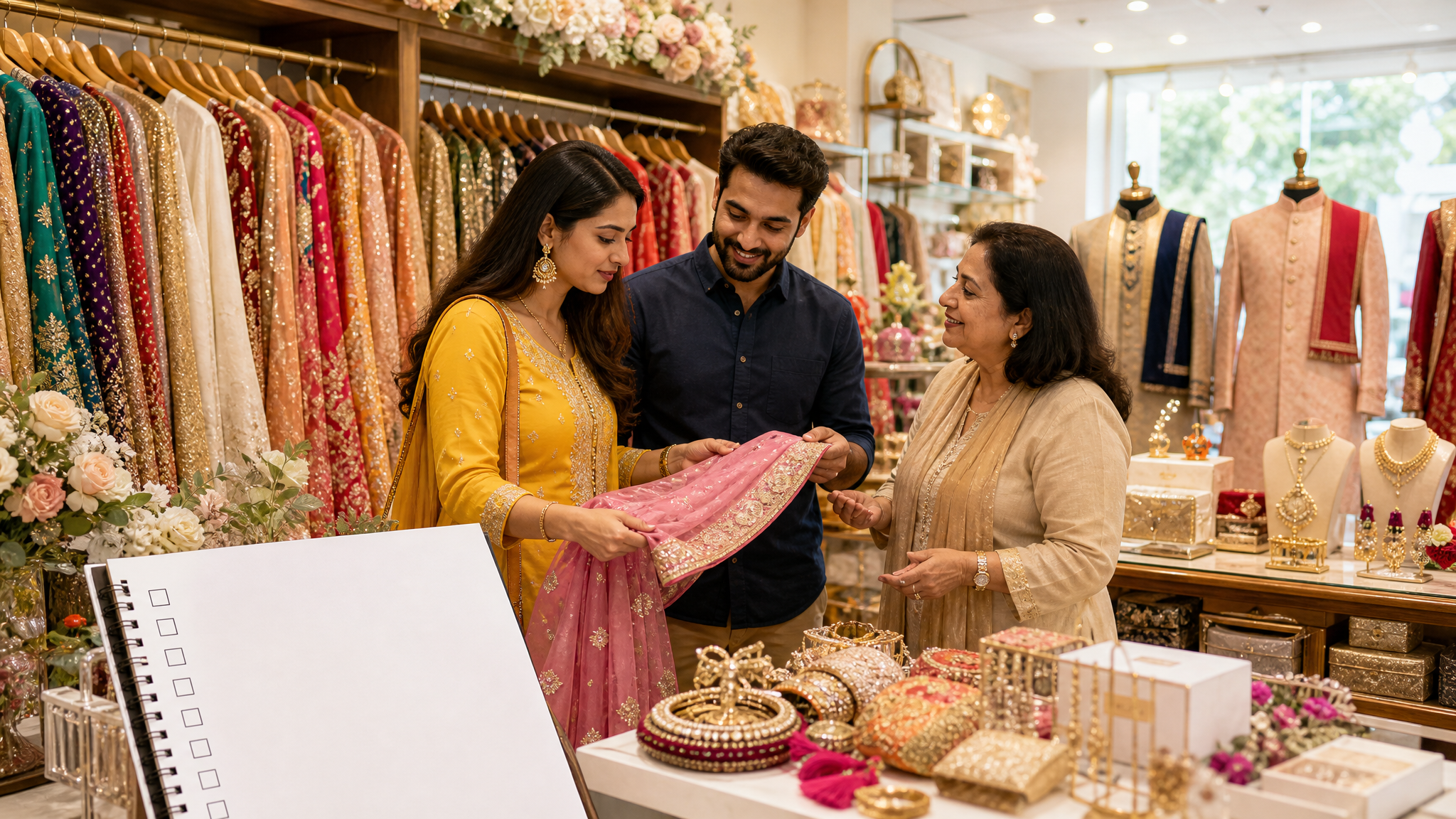
    📋 South Indian Wedding Checklist

    • 🌼 Fix muhurtham (auspicious timing)
    • 📿 Coordinate priest, nadaswaram artists & caterers
    • 👗 Finalize wedding sarees and dhotis
    • 🕯️Decorate mandap with jasmine, marigolds, temple motifs
    • 🍽️ Menu planning: traditional vegetarian spread
    • 💍 Arrange thali, gold jewelry, pooja accessories

    For more guidance on South Indian wedding rituals and prep lists, explore our cultural matrimony blogs at PunjabiRishtey.com.

    ❤️ Conclusion: Beyond Rituals, a Journey of Togetherness

    A South Indian wedding is more than a two-day celebration—it’s a vow to tradition, love, values, and mutual respect. With the chants of mantras and the warmth of banana-leaf feasts, it sets the tone for a lifetime of graceful togetherness.

    Embark on your sacred journey of love—find your perfect South Indian life partner on PunjabiRishtey.com.

  • A Journey Through Traditional Indian Wedding Rituals: From Punjab to Kerala

    image text

    A Journey Through Traditional Indian Wedding Rituals: From Punjab to Kerala

    Indian weddings are not just ceremonies; they are a vibrant celebration of love, legacy, and togetherness that unite families, communities, and cultures. From the colorful vibrance of a Punjabi wedding to the serene spirituality of a South Indian temple ceremony, each tradition reflects the soul of Indian heritage. Let’s explore the richness of rituals across diverse Indian cultures, decoding the ceremonies, attires, and heartfelt moments that define matrimonial bliss across the subcontinent.

    Punjabi Weddings: Joy, Dance, and the Spirit of Togetherness

    Known for their exuberance, Punjabi weddings overflow with music, food, and family participation.

    • Rituals: The ceremony begins with Roka, followed by Mehndi, Sangeet, and the grand Anand Karaj held in a Gurdwara.
    • Family Involvement: From elders blessing the couple to cousins leading dance performances, it’s a celebration for the entire community.
    • Attire: Brides wear heavily embroidered lehengas or salwar suits with phulkari dupattas, and grooms often don sherwanis with turbans.
    • Celebrations: Bhangra and Gidda dominate the dance floor, while dhol beats fuel the festive spirit.
    • Emotional Value: It’s not just two people joining but two families becoming one.

    South Indian Weddings: Simplicity Rooted in Sacred Rituals

    South Indian marriages, especially among Tamil, Telugu, and Malayali communities, are serene yet spiritually rich.

    • Rituals: Kanyadaanam, tying of the Thali (Mangalsutra), and Saptapadi (7 steps around the sacred fire) are key events.
    • Family Role: Priests and elders lead detailed Vedic rituals in temple courtyards or traditional homes.
    • Attire: Brides wear Kanjeevaram saris in gold and red hues while grooms sport white veshtis and angavastrams.
    • Music: Classical nadaswaram and thavil instruments accompany every ritual with a rhythmic soul.
    • Emotional Element: Emphasis is placed on dharma, duty, and eternal togetherness.

    Gujarati Weddings: A Celebration of Faith and Color

    Gujarati weddings are filled with customs symbolizing warmth, luck, and unrestricted joy.

    • Key Rituals: Chandlo Matli (engagement), Graha Shanti puja, Pithi, Mangal Pheras, and Hasta Milap.
    • Family Participation: Entire families dance Garba and Dandiya the night before the wedding in vibrant circles.
    • Outfits: Brides shine in panetar and gharchola saris adorned with gold; grooms choose kediyu or traditional sherwani.
    • Music: Folk songs and live Garba bands kickstart evenings, continuing till midnight.
    • Core Values: Harmony, prosperity, and blessings from deities reign supreme.

    Discover more on Gujarati wedding traditions.

    Muslim Nikah Ceremonies: Graceful, Spiritual, and Sacred

    Islamic weddings are elegant and anchored in spiritual solemnity.

    • Core Ceremonies: Nikah (marriage contract in the presence of a Qazi), followed by Arsi Mushaf (mirror ceremony) and Walima (reception).
    • Family & Community: The elders consent and pray during Nikah, symbolizing community approval & love.
    • Attire: Brides often wear intricately embroidered shararas or lehengas in jewel tones; grooms opt for pathani suits or sherwanis.
    • Music & Dance: Sufi music or regional qawwal performances grace the post-wedding festivities.
    • Sentimental Value: Purity of commitment and depth of intention take center stage.

    Interested in interfaith love stories? Visit our interfaith matrimonial section.

    Christian Indian Weddings: Elegance Woven in Grace

    From Goa to Kerala, Christian weddings in India blend graceful Western traditions with Indian warmth.

    • Ceremonies: The White Wedding featuring vows in church, exchange of rings, and blessings from the priest.
    • Community Bond: Choir hymns and large family gatherings make it soulful and memorable.
    • Dress Code: Brides wear white gowns, veils, and hold floral bouquets; grooms wear tuxedos or formal suits.
    • Music: Choirs, violin flutes, and contemporary Christian melodies heighten the emotionally rich ambiance.
    • Values: Faith, fidelity, and selfless love.

    Jain & Buddhist Weddings: Symbolism and Sacred Silence

    • Rituals: Both emphasize non-violence and simplicity. Jain Lagna-lekhani and Bipak Sutra readings mark unions.
    • Family & Elders: Their blessings and philosophical teachings guide the couple towards compassion & partnership.
    • Attire: Traditional saris or simple wedding ensembles in ivory or natural colors are worn to reflect humility.
    • Ambiance: Peaceful, quiet, and deeply contemplative ceremonies offer time for spiritual reflection.

    Parsi Weddings: Laughter, Feast & Love under Ahura Mazda’s Blessings

    • Anchor Ritual: Held before a sacred fire with rituals like Achumichu (ritual washing).
    • Attire: White for purity—a sari for the bride and a white dagli for the groom.
    • Celebrations: Post-wedding dining includes Lagan Nu Bhonu—classic Parsi banquet meals with salli boti & patra fish.

    Find Parsi matrimonial profiles on PunjabiRishtey.com for a perfect match rooted in tradition.

    Tribal & Regional Marriages: Nature, Music & Spirit

    India’s tribal communities—Santhal, Bhil, Gondi—have weddings rich in dance, music, and nature-centric rituals.

    • Setting: Forest clearings or community centers, surrounded by nature.
    • Music: Drums, flutes, and dance circles that go on for days.
    • Attire: Locally woven dresses, silver jewelry, and floral garlands dominate the style.
    • Spirit: These weddings are about communal harmony, rhythm, and giving thanks to Earth.

    Learn more about regional Indian wedding traditions.

    Indian Wedding Food & Cuisine: A Festival in Itself

    Whether it’s an extravagant Punjabi langar, a Parsi celebratory feast, or a Tamil vegetarian spread served on banana leaves, food is central to Indian weddings.

    • Regional Flavors: North Indian rich gravies, South Indian rice delicacies, Bengali sweets, Goan seafood, and Gujarati farsan.
    • Dining Style: Community meals served with love, from buffets to sit-down thaalis.
    • Sweets & Treats: Ladoos, rasgullas, payasam, modak, barfis, and halwa varieties rejoice in every home.
    • Planning Tip: Coordinate with local chefs or caterers months in advance.

    Explore ideas and trends on Indian wedding catering.

    Honeymoon Planning & Wedding Checklist

    Post-wedding bliss begins with careful honeymoon planning. Consider spiritual retreats, hill getaways, or vibrant cities. Popular destinations: Kerala backwaters, Manali, Kashmir, and Mauritius.

    Wedding Checklist:

    • Finalize venue and dates
    • Confirm ritual calendar with family elders
    • Select outfits, jewelry, makeup artists
    • Book caterers and musicians early
    • Prepare honeymoon itinerary
    • Register on trusted matrimonial sites for matchmaking

    Thinking about marriage? Begin your search with authentic Indian bride and groom profiles across all communities.

    Conclusion: Love Rooted in Ritual, Blessed by Family

    Indian weddings are not just about ceremonies—they are stories passed from generation to generation. They teach us the beauty of patience, harmony, and community. Across colors, customs, and cuisines, the common thread is love—pure and deep-rooted.

    Ready to begin your own forever story? Find your life partner who honors tradition and dreams big with you—only on PunjabiRishtey.com.

  • A Soulful Journey Through South Indian Wedding Traditions: Rituals, Rhythms & Resplendence

    image text

    A Soulful Journey Through South Indian Wedding Traditions: Rituals, Rhythms & Resplendence

    South Indian weddings are an ethereal fusion of sacred rituals, family values, timeless attire, and the hypnotic cadence of temple music. Deeply rooted in culture, these weddings celebrate more than just the union of two souls — they mark the coming together of legacies, blessings, and infinite traditions. From elaborate mandapams to graceful silk sarees, every detail tells a story passed down through generations.

    Understanding the Pillars of a South Indian Wedding

    Pre-Wedding Rituals That Set the Tone

    • Nischayathartham: Engagement where horoscopes are matched, and the union is formally announced.
    • Panda Kaal Muhurtham: Families seek blessings from deities for an obstacle-free ceremony.
    • Haldi (Kashi Yatra in Brahmin weddings): The groom jokingly declares renunciation, but is playfully persuaded to marry instead.

    The Wedding Day: Where Ritual Meets Rhythm

    The most sacred moment arrives with Muhurtham, the auspicious time decided by astrologers. Chanting of mantras, tying of the thaali (Mangalsutra), and seven steps around the sacred fire anchor the ceremony. The Hindu wedding rituals observed in South India have serene depth and spiritual intensity, often held in grand temples or traditional marriage halls.

    Family’s Integral Role

    South Indian weddings are deeply family-centric. From matchmaking to rituals, parents and elders are the visible force guiding the events. The bride’s maternal uncle often lifts her during the kanyadaanam, symbolizing protection and blessings.

    Attire: Elegance in Every Thread

    • Brides wear heavy Kanjeevaram silk sarees with gold zari and temple jewelry.
    • Grooms dress in minimalistic yet stately attire — traditional veshti (dhoti) and angavastram (shawl).
    • Flowers, especially jasmine, are vital adornments, with long floral braids adding grace.

    Music, Dance & Cultural Essence

    Classical Carnatic music and nadaswaram (temple wind instrument) fill the air with spiritual charm. Dance forms, including Bharatnatyam at receptions, celebrate divinity and joy. For ideas on similar cultural melodies, explore Indian wedding music traditions.

    Regional Diversity Within South

    Tamil Weddings

    They incorporate Vedic chants, elaborate rituals, and humor-filled moments like the Oonjal (swing ceremony), where elders bless the couple with rice balls.

    Telugu Weddings

    Featuring unique customs like Jeelakarra Bellam (placing cumin and jaggery on each other’s heads), symbolizing inseparability, they emphasize astrological precision and family ties.

    Kannada Weddings

    Simple yet elegant, these ceremonies foreground community feasting and rituals such as dhare, where water from a sanctified vessel unites the couple spiritually.

    Malayali Nair & Christian Weddings

    Nair weddings are often minimalist and matrilineal-inspired, with the groom arriving grandly in a procession. In Kerala Christian weddings, the couple exchanges rings in a church and proceeds for a floral wedding reception. Explore more on Christian wedding traditions in India.

    A Feast for the Senses: Food & Celebrations

    No South Indian wedding is complete without a divine sadhya — a plantain-leaf feast including rice, sambar, rasam, avial, payasam, and a cascade of pickles and chips. In Tamil Nadu, the virundhu (banquet) is a marker of hospitality and joy. Hyderabad weddings may offer biryani and kebabs in Muslim families, with Muslim wedding cuisines reflecting Mughlai heritage.

    Sweets & Togetherness

    From Mysore Pak to Ariselu, sweets vary regionally but symbolize the sweetness of new beginnings. Community dining — families eating together — deepens ties and embodies South Indian collectivism.

    Honeymoon & Post-Wedding Blessings

    Traditional couples often seek temple blessings together before traveling. Popular locales include Ooty, Coorg, and Munnar. Check out our complete wedding planning checklist to make your journey smoother.

    Wedding Ritual Checklist (South Indian Style)

    • Match horoscopes and set date with astrologer
    • Book hall/temple and nadaswaram group
    • Choose bridal sarees and gold ornaments
    • Arrange priests for rituals: Ganapathi Pooja, Kashi Yatra, Muhurtham
    • Plan feast menu regionwise: vegetarian or non-veg variations
    • Organize post-wedding reception and honeymoon itineraries

    Conclusion: The Eternal Thread of Togetherness

    South Indian weddings are not merely rituals — they are poetic expressions of life, commitment, and sacred joy. Overflowing with symbolic gestures and loving blessings, these ceremonies take matchmaking beyond a union to a celebration of ancestry, divinity, and destiny.

    Looking for your perfect match with South Indian values? Explore matrimonial matches with cultural harmony, only on PunjabiRishtey.com.

  • Sacred Threads of Love: Exploring Rituals & Emotions in Hindu Weddings Across India

    image text

    Sacred Threads of Love: Exploring Rituals & Emotions in Hindu Weddings Across India

    Weddings in India are not just about two people getting married—they are spiritual commitments steeped in tradition, family values, faith, and unforgettable celebrations. Among these, Hindu weddings are known for their deeply rooted customs, radiant attire, and an atmosphere full of music, colors, and divine blessings. From Kashmir to Kanyakumari, the rituals may vary, but the emotional fervor remains the same—a vibrant tapestry of love, duty, and community bonding.

    North Indian Hindu Weddings: A Grand Affair of Family and Faith

    In regions like Punjab, Uttar Pradesh, and Rajasthan, Hindu weddings are celebrated with elaborate pre-wedding rituals and grand processions.

    • Pre-Wedding Rituals: Roka, Mehendi, Haldi, and Sangeet are filled with music, dhol beats, and ancestral blessings. Families often read horoscope compatibility—a symbol of mutual destiny.
    • The Wedding Day: The baraat (groom’s procession) arrives with horses or vintage cars, followed by the emotional pheras around the sacred fire. Each round has spiritual significance, signifying promises of love, respect, and shared responsibilities.
    • Family Involvement: Elders play pivotal roles, often guiding rituals and blessings. The Punjabi wedding traditions reflect strong family presence and emotional partings like the vidaai.
    • Attire: The bride dazzles in red or maroon lehenga, often embellished with zari and intricate embroidery. Grooms wear sherwanis with turbans—crowning their honor.
    • Music & Celebrations: Sangeet nights echo with dance, traditional songs, and laughter. In North Indian weddings, evening parties are feasts of melodies and mithai.

    South Indian Hindu Weddings: Sacred Simplicity with Spiritual Grandeur

    Rooted in Vedic traditions, South Indian weddings highlight simplicity, pristine rituals, and sacred symbolism.

    • Ceremonies: Known for elaborate pujas and Kashi Yatra (a playful ritual), the ceremony often takes place inside temples or mandapams vibrant with kolam designs and fresh flowers.
    • Attire: Brides wear exquisite Kanjeevaram sarees adorned with gold jewelry, particularly temple jewelry. Grooms wear traditional veshti or dhoti with angavastram.
    • Family & Rituals: Every step—be it Kannika Daanam or Tied Thali—has direct spiritual significance. The family, especially elders, perform major roles and guide every ceremony.
    • Music & Dance: South Indian wedding rituals include serene Carnatic music and Nadaswaram played live during key moments.

    Eastern Indian Hindu Weddings: Joyful Traditions from Bengal and Odisha

    Bengali and Odia weddings are poetic and graceful, beautifully weaving poetry, rituals, and emotional bonding.

    • Rituals: The bride is carried on a wooden seat by male relatives during Subho Drishti, when the couple sees each other for the first time. This is followed by Saat Paak and Mala Badal.
    • Attire: Bengali brides wear red Banarasi sarees, a mukut (crown), and traditional shakha-pola bangles. Grooms wear ivory or white dhoti with punjabi kurta.
    • Cultural Touches: From blowing the conch to ululation and symbolic fish exchanges, Bengali marriage customs blend fun with devotion.

    Western Indian Hindu Weddings: Maharashtrian and Gujarati Elegance

    Gujarati and Maharashtrian Hindu weddings offer a beautiful blend of simplicity, tradition, and community joy.

    • Maharashtrian: The Antarpat ritual involves a curtain separating the bride and groom before chanting mantras. Brides wear green sarees with mundavalya beads adorning their forehead.
    • Gujarati: The Madhuparka ceremony welcomes the groom, and Mangal Pheras are taken around a sacred fire. Post-wedding Aeki Beki games create joyful bonding moments.
    • Gujarati wedding rituals are deeply rooted in joyous involvement of extended families and garba nights.

    Must-Have: Indian Wedding Food & Feast Traditions

    No Indian wedding is complete without a lavish celebration with flavors that reflect the community’s soul. Here’s how the cultural culinary magic unfolds:

    • North India: Rich Mughlai curries, kebabs, dal makhani, and an array of mithai like gulab jamun and ras malai.
    • South India: Banana leaf feasts feature sambar, vada, payasam, and coconut-rich curries.
    • Eastern India: Mustard-infused ilish fish, mishti doi, and roshogolla are iconic treats in Bengali weddings.
    • Western India: From spicy kachori to delightful shrikhanda, food is served in community-style buffets or thalis.

    Post-wedding, many couples head off for a honeymoon blessed by elders. The destination is chosen for both spiritual serenity and romantic memories. Don’t forget to check out our wedding planning checklist for rituals, attire, and vendor bookings!

    Essential Hindu Wedding Planning Checklist

    • Choose auspicious dates through kundali matching
    • Book venue and mandap decorators
    • Curate outfit selections based on culture & region
    • Organize pre-wedding rituals (Mehendi, Haldi, Sangeet)
    • Coordinate with family priests and elders
    • Shortlist caterers for community meals and sweets
    • Compile guest list and send traditional or e-invites

    For detailed vendor directories and cultural guides, visit our Wedding Planning section.

    Conclusion: A Journey of Love, Rituals, and Bonds

    Hindu weddings across India might differ in their rituals, attire, and melodies—but they all celebrate the union of two souls with blessings, family joy, and spiritual grace. At PunjabiRishtey.com, we honor these traditions by helping you connect with your perfect match—someone who respects your roots while walking hand-in-hand into the future.

    Find your perfect life partner at PunjabiRishtey.com, where tradition meets trust.

  • Sacred Vows and Sehra Bandi: Exploring the Beauty of Sikh Wedding Traditions in India

    image text

    Sacred Vows and Sehra Bandi: Exploring the Beauty of Sikh Wedding Traditions in India

    In the heart of Punjab, where the rhythm of dhol echoes through golden fields, Sikh weddings unfold as soulful celebrations of love, family, and faith. Known for their vibrant attire, sacred traditions, and emotional sincerity, Sikh Anand Karaj ceremonies are treasured across generations. Let us walk through the rich tapestry of a Sikh wedding — from Sehra Bandi to the sacred Laavaan — and experience the warmth that defines Punjabi families.

    The Essence of Sikh Marriage: Anand Karaj

    The Sikh wedding ceremony, known as Anand Karaj, translates to “Blissful Union.” Conducted in the serene presence of the Guru Granth Sahib, this union symbolizes equality, oneness, and a bond sanctified by divine wisdom. Unlike conventional vows, Sikh couples revolve around the holy scripture, committing themselves to a life rooted in spirituality and partnership.

    Rituals and Ceremonies

    • Roka/Thaka: The informal beginning where families bless the couple. Usually held at home with close relatives.
    • Kurmai (Engagement): Exchange of rings and gifts, often in a Gurdwara, followed by a modest langar.
    • Chunni Ceremony: Groom’s family offers a red dupatta and jewelry to the bride, symbolizing acceptance into the family.
    • Mehndi & Sangeet: The bride’s hands are adorned with henna, accompanied by folk songs and bhangra. Learn more about Punjabi Mehndi traditions.
    • Sehra Bandi: Emotional moment when the groom is adorned with a sehra by his family. A symbol of pride and blessings.
    • Milni: A ceremonial meeting of both families in joyful embrace before the Anand Karaj.
    • Anand Karaj: The core religious ceremony where the couple circles the Guru Granth Sahib four times while hymns (Laavaan) are recited.

    Family Involvement

    Sikh weddings are deeply family-centered. Elders are highly respected, and rituals like Milni signify the union of families before the couple. Uncles, aunts, cousins — everyone plays a role, from organizing events to dancing at the front of the baraat. Family traditions in Indian weddings are particularly sacred in Sikh culture.

    Wedding Attire

    • Groom: Traditionally wears a sherwani with a turban, often in shades of red, maroon, or gold. The iconic kirpan and kalgi complete his look.
    • Bride: Wears a heavily embroidered lehenga or salwar kameez, usually in red or pink, with a choora (red bangles) and kalire hanging from her wrists. Her look is completed with a dupatta respectfully covering her head in Gurdwara.

    Music & Celebration

    From the happy beats of bhangra and gidda to the soulful shabads sung during Anand Karaj, Sikh weddings are a musical mosaic. The jaago night — where families parade the neighborhood with decorated pots and dhols — is a favourite tradition celebrated with immense enthusiasm.

    Emotional & Cultural Values

    Sikh weddings teach values of equality, devotion, and community service. Everything, from the langar (community meal) to the religious ceremony, reinforces humility and shared happiness. Love is not merely between two people but among two families with shared values.

    The Indian Wedding Feast: A Grand Culinary Tale

    An Indian wedding is incomplete without a culinary celebration. The aroma of tandoori naan, dal makhni, butter chicken, and creamy paneer greets every guest with warmth. In Sikh weddings, food is both abundant and inclusive. Langars — communal meals — served in the Gurdwara reflect Sikhism’s principle of equality.

    Marriage banquets in Punjab also feature a fusion of modern and traditional cuisine. Regional wedding delicacies like Amritsari kulcha, chole bhature, jalebi, and phirni are relished by all. The wedding sweet most cherished in Sikh homes is the Pinni, made lovingly with desi ghee and nuts.

    Honeymoon and Planning Checklist

    After the emotional whirlwind of ceremonies, couples often plan a relaxing honeymoon. Popular destinations include Himachal, Kerala, and even international spots. Before the big day, families rely on a checklist including:

    • Finalizing Gurdwara and priest for Anand Karaj
    • Shopping for choora, bridal lehenga, sehra, etc.
    • Sending formal invitations
    • Booking caterers, decorators, photographers
    • Coordinating events like sangeet and jaago

    Careful planning ensures the couple’s journey begins on a joyful, stress-free note. You can explore wedding checklists here on PunjabiRishtey.com.

    Conclusion: A Legacy of Love and Faith

    Sikh weddings are a true celebration of spirit and tradition. In every laava, there is divine meaning; in every dhol beat, there is ancestral memory. It’s not just about finding a life partner — it’s about entering a lifelong commitment rooted in community, respect, and shared hearts. Find your perfect match and experience the joy of a complete union at PunjabiWedding traditions and on PunjabiRishtey.com.

  • Timeless Traditions: Exploring the Sacred Rituals of Hindu Weddings in India

    image text

    Timeless Traditions: Exploring the Sacred Rituals of Hindu Weddings in India

    More than just a union of two people, a Hindu wedding is a sacred fusion of families, generations, and blessings from the divine. Deeply spiritual and emotionally charged, Hindu weddings embody centuries-old rituals that have stood the test of time. With every mantra chanted and every flower offered, love is blessed—and so is tradition.

    Introduction to Hindu Wedding Traditions

    In India, marriage is not a contract, it’s a sacred vow—a holy samskara or rite of passage. From the colorful Haldi ceremony to the powerful pheras around the sacred fire, Hindu weddings are symbolic, spectacular, and steeped in values that resonate with generations. While customs differ across regions like North, South, East, and West India, the core spiritual elements remain beautifully united.

    Key Rituals and Ceremonies

    1. Pre-Wedding Bliss: Haldi, Mehndi, and Sangeet

    • Haldi: Turmeric is applied on the bride and groom to purify and bless them. Families engage in singing folk songs and laughter fills the air.
    • Mehndi: Intricate henna designs are drawn on the bride’s hands, symbolizing beauty and love. The event is usually hosted amidst dance, music, and the sharing of family stories.
    • Sangeet: Once exclusive to North India, this joyous musical celebration now unites families across India in dance and music, forming lifelong bonds.

    2. Wedding Day Rituals

    • Baraat: The groom arrives with great pomp and show, accompanied by dhol beats, relatives dancing, and floral showers.
    • Kanyadaan: A deeply emotional moment where the father gives away his daughter to the groom. A powerful symbol of trust and blessing.
    • Mangal Pheras: The couple circles the sacred fire seven times, each round representing a promise for a lifelong companionship and growth.
    • Sindoor & Mangalsutra: The groom adorns the bride with sindoor and a mangalsutra, marking her new identity as a married woman.

    Family Involvement & Emotional Depth

    Hindu weddings deeply involve both families—not just in rituals, but in decision-making, attire, and blessings. The emotional gravity felt during the Vidaai (farewell) ceremony—when the bride departs her parental home—is a timeless expression of love, hope, and acceptance.

    From the joyous laughter at mehndi ceremonies to tearful hugs during vidaai, each moment is about the merging of souls and families.

    Attire & Ornamentation

    • Brides traditionally wear bright lehengas or sarees in red, maroon, or gold—colors that denote prosperity and passion.
    • Grooms adorn sherwanis or dhotis, often teamed with turbans and pearl malas for a regal look.
    • Temple jewelry, bangles, and maang tikkas complete the bride’s ensemble, often handed down through generations.

    Regional variations make each outfit unique — for instance, a Bengali bride often wears a red Benarasi saree with a traditional mukut, while a Tamil bride glows in gold silk kanjivarams.

    Music, Dance & Celebrations

    From classical Carnatic and Bhajans to vibrant Bollywood beats, music plays an essential role. Sangeet is not just entertainment—it’s expression. Families choreograph performances that honor the couple’s journey, as seen in many Indian wedding Sangeet celebrations.

    Indian Wedding Cuisine: A Feast of Flavors

    Whether it’s a Punjabi wedding in Ludhiana or a Maharashtrian ceremony in Pune, food always steals the spotlight. A Hindu wedding feast blends rituals with indulgence:

    • Regional Menus: South Indian weddings feature banana-leaf served sambar, rasam, and payasam. North Indian plates overflow with paneer curries, chaat counters, and sizzling kebabs.
    • Sweets & Treats: No wedding is complete without gulab jamun, laddoos, rasgullas, and wedding-special jalebis!
    • Community dining (langar-style) is common in many traditional weddings, promoting unity and equality.

    Honeymoon, Blessings & Future Planning

    Post wedding, couples often embark on a meaningful honeymoon—a time to relax, reflect, and begin their journey. Popular destinations include Kerala, Shimla, Goa, and Udaipur. Elders bless the newlyweds, and preparations begin for griha-pravesh (homecoming ceremony), introducing the bride to her new home.

    Wedding Rituals Checklist

    • Fix wedding date (muhurat)
    • Book venues, invite pandit for ceremonies
    • Plan haldi, mehndi, sangeet programs
    • Coordinate outfits according to regional customs
    • Design menu reflecting local, family tastes
    • Organize decor symbolizing tradition (mandap, rangoli, diyas)
    • Schedule honeymoon and plan griha-pravesh rituals

    Conclusion: A Bond Eternal

    A Hindu wedding is not just a celebration—it is a spiritual promise wrapped in color, sound, and soul. It respects the wisdom of the past while blessing a new future. Every vow, every offering, and every smile symbolize love that transcends lifetimes.

    Looking to begin your forever story? Find your perfect life partner on PunjabiRishtey.com and take your first step into sacred togetherness.

    Explore more about Hindu wedding traditions and also discover South Indian ceremonial styles or how taste and traditions blend in Indian wedding cuisine. For more amazing insights into Indian matchmaking, check out our wedding planning checklist.

  • A Journey Through South Indian Wedding Traditions: Culture, Rituals & Love Beyond Time

    image text

    A Journey Through South Indian Wedding Traditions: Culture, Rituals & Love Beyond Time

    South Indian weddings are nothing short of majestic. Rooted in ancient customs and sacred Vedic traditions, these wedding ceremonies offer rich symbolism, elegance, and family togetherness. Each ritual is a celebration not just of a union between two individuals, but of two families, their lineages, and the soulful traditions they carry. From Tamil Brahmin weddings to vivacious Telugu nuptials and ornate Kerala rituals, South Indian weddings reflect love, respect, and timeless devotion.

    Timeless South Indian Wedding Rituals

    1. Tamil Weddings: The Grace of Simplicity and Spirituality

    The Tamil Hindu wedding, often performed in front of the sacred Agni (fire), is a beautiful medley of meaningful customs:

    • Kashi Yatra: The groom jokingly threatens to renounce worldly pleasures and become a sanyasi before he’s lovingly persuaded to marry.
    • Oonjal (Swing Ceremony): The couple sits on a swing as elders bless them with milk, bananas, and a shower of rice — symbolizing life’s ups and downs, supported by divine faith and community.
    • Kanyadaanam and Mangalya Dharanam: The bride’s father offers her hand to the groom, followed by the tying of the thali (mangal sutra), the South Indian symbol of marriage.

    Family bonds and rituals dominate every moment. Elders chant mantras as nadaswaram music echoes in the temple hall. The bride wears a richly embroidered kanjeevaram saree in gold-red hues, and her hair adorned in jasmine garlands speaks volumes of her cultural roots.

    You can read more about South Indian bridal attire for deeper inspiration.

    2. Telugu Weddings: A Harmonious Blend of Devotion and Drama

    Telugu weddings are known for their unique blend of drama, laughter, and spirituality:

    • Pellikuthuru and Pellikoduku: A pre-wedding haldi ceremony where turmeric is applied to both bride and groom by relatives to purify and bless them.
    • Jeelakarra Bellam: The bride and groom simultaneously place cumin and jaggery paste on each other’s heads, signifying harmony and inseparability.
    • Saptapadi: The couple takes seven steps together around the sacred fire, promising duties and responsibilities in married life.

    As rituals end, traditional Andhra music and dances bring everyone to their feet. Don’t miss the rich cultural link to Andhra Pradesh wedding customs.

    3. Kannada Weddings: Traditions Wrapped in Elegance

    In Karnataka, marriage ceremonies are serene and rich in symbolism:

    • Naandi ritual: Performed days before the wedding to ensure the ceremony proceeds without hurdles.
    • Dhare Herdu: A sacred pouring of holy water by the bride’s father into the groom’s hands, symbolizing the transfer of responsibility.
    • Saptapadi: Affirms the couple’s commitment toward mutual growth and spiritual companionship.

    The bride often dons a Mysore silk saree in bright orange, red, or gold with traditional temple jewelry. Families gather with joy, deep devotion, and cultural finesse.

    4. Kerala Weddings: Minimalism with Mystical Meaning

    Kerala weddings, especially among Malayalees, are brief yet profoundly spiritual:

    • Nischayam: A formal engagement ceremony where horoscopes are matched and blessings are sought.
    • Thaali Kettu: The central ceremony where the groom ties the sacred kaashu mala (gold necklace) around the bride’s neck.
    • Sadya: The wedding grand feast served on banana leaves, symbolizing abundance and joy.

    Malayalee brides often wear elegant white kasavu sarees with gold borders, embodying purity and richness simultaneously.

    Explore unique Kerala wedding traditions only on PunjabiRishtey.

    Family, Faith & Festivities

    Every South Indian wedding is more than a ritual—it’s a festival of emotions and blessings:

    • Music: Nadaswaram, mridangam, and local devotional songs add divinity to the ambiance.
    • Attire: Bright silks, temple jewelry, sandalwood paste, and jasmine garlands are timeless symbols.
    • Community: Weddings invite entire villages and extended families who share responsibility and blessings alike.

    Interested in exploring North Indian traditions for comparison? Visit our guide on North Indian wedding rituals.

    The Culinary Splendor: Food & Feasting

    South Indian wedding feasts are spiritual too, served with love and gratitude:

    • Kerala Sadya: A 20+ item vegetarian feast served on a banana leaf, including avial, olan, payasam, and pickles.
    • Andhra Spread: Known for its spicy flavors — pulihora, gongura pachadi, and sheer indulgent sweets like pootharekulu.
    • Tamil Cuisine: Sambar, rasam, and varieties of payasam rule the roost, ending with paan and betel leaves offered as shagun.
    • Kannada Delights: Akki roti, kadubu, and obbattu greet your taste buds with warmth.

    Dining is community-centric, where guests are fed before the hosts eat — a beautiful symbol of hospitality. This food experience becomes a memory, etched in everyone’s heart.

    Post-Wedding Celebrations & Honeymoon

    Modern couples often plan mini-moons to destinations like Coorg, Ooty, or Kovalam. But before that, Griha Pravesham (the bride’s welcoming into the groom’s home) is held with spirited rituals, laughter, and new beginnings.

    Check out our wedding ritual checklist guide for planning your own nourishing South Indian celebration.

    Checklist for South Indian Wedding Planning

    • Confirm astrologically favorable wedding muhurtham (date)
    • Choose venue – temple, hall or traditional home setting
    • Arrange musicians for Nadaswaram and Veena
    • Finalise caterer for Sadya or regional-specific cuisine
    • Book silk saree vendors and gold jewelers well in advance
    • Coordinate rituals with priests for tradition-specific ceremonies
    • Plan honeymoon & post-wedding family dinners

    Need help navigating your journey of love? Visit our matrimonial advice section for family-focused insight.

    Conclusion

    South Indian weddings are a heartfelt poetry of age-old customs, spirituality, and cultural richness. Whether it’s the delicate Oonjal ceremony or a sumptuous Sadya feast, every tradition speaks of love that transcends generations. If you’re on the path to find someone who not only fits your heart but your traditions too —

    Find your perfect life partner today on PunjabiRishtey.com.

  • A Journey Through the Sacred Union: Exploring Diverse Indian Wedding Traditions

    image text

    A Journey Through the Sacred Union: Exploring Diverse Indian Wedding Traditions

    In India, marriage is not just a union of two souls, but a vibrant celebration of culture, family, and generations of tradition. Whether it’s a grand Punjabi affair or a serene South Indian temple wedding, every Indian wedding paints a picture of unity, spirituality, and love. Let us take a heartfelt journey through the rich tapestry of Indian matrimonial customs that beautifully reflect the soul of our heritage.

    Hindu Wedding Traditions

    The Sacred Agni and the Seven Vows

    Hindu weddings are elaborate celebrations deeply rooted in Vedic rituals. From Ganesh Puja at the start to the iconic pheras around the sacred fire, the ceremonies symbolize love and responsibility.

    • Family Involvement: Arranged with elders’ blessings, these weddings are about uniting two families as much as two individuals.
    • Attire: Brides wear crimson lehengas or sarees, while grooms don sherwanis and turbans, often adorned with floral sehra.
    • Music: From live dhol to Bollywood playlists, music fills the air with joy.
    • Emotional Value: Bidaai, the emotional farewell, marks a new chapter in the bride’s life.

    To immerse further in vibrant traditions, explore our detailed post on Punjabi wedding traditions.

    Sikh Wedding Traditions

    Anand Karaj — A Spiritual Union

    The Sikh marriage ceremony, Anand Karaj, takes place in a Gurdwara, emphasizing equality, spirituality, and simplicity.

    • Rituals: The groom is led by the bride’s father to the Guru Granth Sahib, where four laavaan (hymns) are recited.
    • Attire: Brides wear heavily embroidered salwar kameez or shararas; grooms in elegant kurta-pyjamas and turbans.
    • Emotional Cultural Value: Sikh weddings emphasize seva (selfless service), humility, and community.
    • Celebration: Langar feasts, bhangra dances, and joyful family banter make Sikh weddings unforgettable.

    Discover heartwarming matchmaking stories from Sikh families on our Sikh matrimonial journey.

    Muslim Wedding Traditions

    The Nikah: A Contract of Love and Faith

    Islamic weddings center around the beauty of simplicity and spirituality, with the nikah being the formal contract between bride and groom.

    • Rituals: Conducted by a Maulvi, in the presence of witnesses and consent from both parties.
    • Traditions: Mehendi and Haldi style ceremonies like the Manjha bring color and joy.
    • Attire: Brides wear elegant ghararas or shararas with dupattas, while grooms often choose sherwanis with embroidered caps.
    • Celebrations: The Walima—post-wedding feast—is a luxurious affair filled with cultural flavors and hugs from the extended family.

    Read inspiring union stories under our Muslim Wedding collection.

    Christian Wedding Traditions

    Unity in Love and Faith

    Christian weddings in India are serene ceremonies held in churches. They are heartfelt celebrations anchored in commitment and purity.

    • Rituals: Exchange of vows, rings, the signing of the register, followed by blessings from the priest.
    • Attire: Brides in white gowns with veils; grooms in tailored suits.
    • Music: Choir hymns, church organs, and romantic ballads bless the moment with serene beauty.
    • Emotion: Often emotionally charged, these weddings reflect the sanctity of love through prayer and commitment.

    Learn why Christian wedding love stories continue to touch hearts in our Christian Matrimonials section.

    South Indian Weddings

    Temple Traditions and Timeless Grace

    South Indian weddings (Tamil, Telugu, Kannada, and Malayali) are known for early rituals, temple blessings, and ancient customs.

    • Ceremonies: Kashi Yatra, Kanyadaanam, and tying of the mangalsutra amidst Vedic chants.
    • Attire: Brides in silk Kanjeevarams with gold jewelry; grooms in mundu or veshti.
    • Family Role: Elders guide each tradition, often witnessed in serene temple surroundings.
    • Emotions: Deeply spiritual, rooted in karma and dharma.

    Explore other southern gems like Kerala Weddings on PunjabiRishtey.

    Bengali Wedding Traditions

    The Red Alta and the Sacred Shankha

    Bengali weddings blend grace, literature, and traditions into a poetic celebration.

    • Ceremonies: Ashirbaad, Gaye Holud, and Saat Paak are iconic moments.
    • Attire: Brides wear red Banarasi sarees and shankha pola bangles; grooms in dhoti and kurta.
    • Music & Food: Rabindra Sangeet and mishti delight everyone.

    Discover more in our soulful Bengali wedding stories.

    Other Diverse Wedding Cultures

    Jain, Parsi, Tribal & Regional Marvels

    India’s diversity shines even more brightly with its countless regional traditions:

    • Jain Weddings: Often simple yet spiritual, focusing on vows of non-violence and truth.
    • Parsi Weddings (Lagani): Unity through the ‘achoo michoo’ ritual — asking for forgiveness lovingly.
    • Tribal Weddings: Known for dance-driven courtship and deep forest rituals connecting nature and soul.

    Dive into rare yet rich ethnic wedding bonds in our Regional Indian Wedding Collection.

    Indian Food & Wedding Feasts

    A Culinary Celebration of Love

    No Indian wedding is complete without feasts that leave memories lingering on every plate:

    • North India: Butter chicken, dal makhani, naan, jalebi, and lassi dominate the menu.
    • South India: Banana leaf meals with sambar, avial, and payasam served as a community blessing.
    • Bengali & Eastern Delights: Fish curry, pulao, sandesh, and rasgulla win every heart.
    • Western Variety: Dhokla, shrikhand, misal, and mango-based dishes showcase the flavors of Gujarat and Maharashtra.

    Indian weddings also meticulously plan honeymoon travels, ritual timelines, and follow detailed checklists including:

    • Invitations and RSVP tracking
    • Mandap booking and decoration
    • Pre-wedding rituals and poojas
    • Outfits and jewelry trials
    • Photographer and makeup artist confirmations

    Find more planning tips in our Wedding Checklist guide.

    Conclusion: A Celebration of Hearts and Heritage

    From vows around sacred fires to promises under church arches, every Indian wedding tells the world a story of cultural unity, uncompromised love, and family values that span generations. At its heart, Indian matrimony is a celebration of compassion, tradition, and the start of a new journey. Whether you seek a soulmate with spiritual depth or vibrant cheer, your perfect match is waiting.

    Find your perfect life partner on PunjabiRishtey.com — because together is a beautiful place to be.

  • Sacred Threads of Love: A Deep Dive into Indian Wedding Traditions Across Cultures

    image text

    Sacred Threads of Love: A Deep Dive into Indian Wedding Traditions Across Cultures

    Indian weddings are not just ceremonies — they are immersive experiences woven with rituals, families, vibrant colors, emotional ties, and the timeless essence of togetherness. From the melodious beats of Punjabi dhols to the delicate fragrance of South Indian jasmine garlands, every community in India celebrates this sacred union in its unique, heart-warming way.

    Hindu Weddings: Fire, Vows, and Eternal Bonds

    • Mangal Pheras: The highlight of a Hindu wedding, where the couple circles the holy fire and makes vows for life.
    • Haldi & Mehendi: Pre-wedding rituals where turmeric and henna bring auspicious beginnings and joy.
    • Family Involvement: Elders bless the couple while cousins turn celebrations into vibrant dance fests.
    • Bridal Attire: Brides traditionally wear red lehengas or sarees embellished with zari and gold, paired with temple jewelry.
    • Natural Connect: Many rituals like planting tulsi or the Gauri pooja invoke harmony with nature and marital blessings.

    Rajasthanis have the Gharoli ritual, while Marwari weddings honor Ghari puja and chooda rasam, reflecting their detailed heritage.

    Sikh Weddings: The Spiritual Union of Anand Karaj

    • Anand Karaj: A serene, spiritual ceremony conducted at the Gurudwara where the couple walks around the Guru Granth Sahib.
    • Tradition Speaks: Sikhs believe in equality; hence, the wedding exudes simplicity yet unwavering grace.
    • Attire: Brides adorn traditional salwar suits or lehengas, often in pastel or pink tones, with heavy phulkari dupattas.
    • Shagan & Ardaas: Pre & post-wedding blessings deeply rooted in prayers and gratitude.
    • Celebratory Language: Gidda and Bhangra fill the air, making it one of the most energetic cultural experiences.

    Learn more about Punjabi wedding traditions and how community values reflect in every corner of Sikh matrimony.

    Muslim Weddings: Graceful Nikah and Sacred Blessings

    • The Nikah: A sacred contract officiated in front of witnesses with religious verses and consent from both sides.
    • Mehr & Duas: A symbolic gift offered by the groom and prayers for a harmonious marriage.
    • Cultural Style: Sherwanis and intricately embroidered anarkalis dominate the aesthetic, with women wearing jhoomar and hijab adornments.
    • Celebrations: Mehfil-e-Naat and qawwali nights are musical tributes to love’s serenity within Muslim weddings.
    • Family Pride: Often held in grand banquet halls, Muslim weddings emphasize hospitality and honor.

    Explore more about the elegance of Muslim matrimonial traditions in India.

    Christian Weddings: A Harmony of Vows and Blessings

    • Wedding at the Church: The bride walks down the aisle in a white gown accompanied by hymns and organ music.
    • The Vows: “For better or worse” – these sacred words tie Christian couples across denominations like Catholic, Protestant, and Orthodox.
    • Attire: Classic tuxedos and veiled gowns symbolize purity and grace.
    • Celebrations: Gospel choirs, heartfelt toasts, and first dances elevate the emotions during the reception.
    • Unity Candles: A meaningful Christian ritual representing two lives becoming one flame.

    Understand the finer details of Christian Indian weddings through family values and spiritual balance.

    South Indian Weddings: Tradition, Gold & Temple Vows

    • Muhurtham & Kanyadaanam: Key rituals performed in front of deities during auspicious timings.
    • Attire & Jewelry: Brides wear golden Kanjeevaram sarees and chunky temple jewelry with precision gajra decorations.
    • Cultural Music: Nadaswarams and mridangam play traditional tunes during the ceremony.
    • Family Bond: Uncles, aunties, and cousins all play key roles in pre- and post-wedding events like Nalangu and Sumangali pooja.
    • Ritual Depth: From Andhra to Kerala, the depiction of rituals differs while retaining the soul of spirituality.

    Discover more about South Indian matrimonial practices and their divine connection to culture.

    Other Cultural Treasures of Indian Matrimony

    • Jain Weddings: Quiet, spiritual events marked by ahimsa principles and serenity. Lagna Patrika and Phere are performed in front of deities.
    • Buddhist Weddings: Centered around calm rituals, meditation, and blessings from monks, often in monasteries or community halls.
    • Parsi Weddings: The Achumichu ceremony, sacred fire temples, and Sudreh-Kushti affirm family lineage and Zoroastrian purity.
    • Tribal Weddings: Rich in dance, drums, and local attire — every tribal group from Nagaland to Chhattisgarh has unique wedding songs, rituals, and customs. Simplicity shines bright.

    If you’re intrigued, visit our section on intercultural Indian weddings for vivid stories from across regions and religions.

    Sacred Feasting: Indian Wedding Cuisine

    No Indian wedding is complete without a generous celebration of flavors:

    • North India: Paneer tikka, dal makhani, naan, and jalebis.
    • South India: Banana-leaf feasts with sambar, rasam, and payasam.
    • Gujarat: Thepla, dhokla, shrikhand, and farsan.
    • Muslim Weddings: Biryani, kebabs, and sheer korma.
    • Bengali Treats: Fish curry, mishti doi, and sandesh.

    Community dining is sacred — a bonding moment between families. Each dish is curated with love and served with pride.

    Post-Wedding Rituals & Honeymoon Planning

    • Grihapravesh, Pag Phera, and reception ceremonies invite the bride into her new family.
    • Honeymoon destinations are chosen with emotion — from Kashmir to Kerala backwaters.
    • Modern couples mix tradition with scenic getaways, reflective of both legacy and new beginnings.

    Indian Wedding Planning Checklist

    • Select muhurat or wedding date
    • Book venues and caterers early
    • Plan outfits for every ritual
    • Send invitations & manage RSVPs
    • Schedule rituals, makeup artists, photographers
    • Arrange transportation & accommodation for guests
    • Prepare ritual items using respective cultural customs

    Browse more on our wedding planning tips for a stress-free celebration journey.

    Conclusion: The Language of Love Across Cultures

    Indian weddings echo more than rituals – they resonate with unity, culture, profound emotions, and the promise of forever. No matter the community, the flame of tradition burns bright, lighting the path for generations. May your journey of love be as rich and diverse as the weddings we celebrate.

    Find your perfect life partner on PunjabiRishtey.com.

  • A Journey Through Indian Wedding Traditions: Celebrating Love, Rituals, and Regional Diversity

    image text

    A Journey Through Indian Wedding Traditions: Celebrating Love, Rituals, and Regional Diversity

    Indian weddings are not just ceremonies — they are soulful sagas of love, commitment, family, and centuries-old traditions. From the vibrant colors of Punjabi baraats to the serene chants of a South Indian mandap, each region of India echoes its unique story of marriage. Whether you’re planning your own big day or are simply in awe of the cultural richness, exploring diverse Indian wedding traditions is a breathtaking experience in itself.

    Hindu Wedding Ceremonies: A Sacred Union of Souls

    A Hindu wedding is a beautiful blend of Vedic rituals, spiritual sanctity, and familial blessings. The sacred saptapadi (seven steps) around the holy fire is the emotional heart of the ceremony.

    • Rituals & Ceremonies: Pre-wedding events include Haldi, Mehendi, and Sangeet. The main ceremony revolves around the Kanyadaan, Mangalphere, and Sindoor Daan.
    • Family Involvement: Parents and elders bless the couple during every step, highlighting the transfer of responsibility and lineage.
    • Wedding Attire: Brides usually wear red or maroon lehengas/saris, heavily embroidered with gold. Grooms wear sherwanis or dhotis often paired with turbans.
    • Music & Celebrations: Energetic dhol beats, devotional bhajans, and Bollywood hits set the tone for festive joy.
    • Emotional & Cultural Values: Hindu weddings are deeply rooted in spiritual compatibility, karma, and dharma.

    Sikh Weddings: The Eternal Anand Karaj

    The Anand Karaj is a divine Sikh wedding ceremony performed at the Gurudwara. It symbolizes equality, devotion, and the peaceful journey of two souls becoming one.

    • Rituals & Ceremonies: Starts with Chunni Chadhana and Kurmai (engagement), followed by the main Anand Karaj and a grand reception.
    • Family Involvement: Both families take part in Ardas (prayers), Langar, and Milni ceremonies, promoting unity.
    • Wedding Attire: Brides wear elegant suits or lehengas with phulkari dupattas. Grooms often don ivory sherwanis paired with a sword or kirpan.
    • Music & Celebrations: Traditional Shabad Kirtan in the morning, followed by bhangra-filled receptions in the evening.

    Learn more about Sikh marriage customs on PunjabiRishtey.com

    Muslim Nikah: A Bond of Faith and Love

    Muslim weddings, or Nikahs, beautifully encapsulate simplicity, faith, and elegance, with a spiritual contract forming the foundation of the marriage.

    • Rituals & Ceremonies: Includes Istikhara (prayer), Nikah (contract), and Walima (reception).
    • Family Involvement: The Nikah is signed in the presence of the Qazi and witnesses from both families.
    • Wedding Attire: Brides typically wear richly embroidered shararas or lehengas, while grooms don pathani suits or designer sherwanis.
    • Music & Celebrations: Pre-wedding mehfils, qawwalis, and elegant décor create a regal atmosphere.
    • Emotional & Cultural Values: Emphasizes mutual respect, consent, and blessings from elders.

    Christian Indian Weddings: White Gown Elegance & Sacred Vows

    Christian weddings in India blend Western traditions with Indian cultural richness. The solemnity of the church combined with familial warmth makes it a heartfelt affair.

    • Rituals & Ceremonies: Exchange of vows, ring ceremony, lighting of the unity candle, and blessings by the priest.
    • Family Involvement: Families escort the bride and groom down the aisle, often followed by emotional speeches and prayers.
    • Wedding Attire: Brides wear elegant white gowns and veils, while grooms are seen in tuxedos or suits.
    • Music & Celebrations: Choir hymns, orchestras, and couple dances at the reception.

    Discover more about Christian wedding traditions in India on PunjabiRishtey.com

    South Indian Weddings: Pure Ritual, Temple Vibes, and Sacred Threads

    From Tamil to Telugu, Kannada to Malayalam communities, South Indian weddings are deeply spiritual and often take place in temples or home mandapams.

    • Rituals & Ceremonies: Kashi Yatra, Kanyadaanam, Mangalya Dharanam (tying of the holy thread).
    • Family Involvement: Elders play key roles in rituals and uphold ancient customs with reverence.
    • Wedding Attire: Brides wear silk Kanjeevaram saris; grooms wear veshtis or silk dhotis with angavastrams.
    • Music & Celebrations: Nadaswaram (traditional temple music), classical dance performances during receptions.

    Bengali Weddings: Red Alta and Auspicious Conch Shells

    Rooted in feminine grace and divine energy, Bengali weddings are poetic experiences blending folklore, devotion, and unique customs.

    • Rituals & Ceremonies: Gaye Holud, Shubho Drishti, and Sindoor Daan are key highlights.
    • Family Involvement: Elders guide every moment while women chant ululations and blow conch shells in joy.
    • Wedding Attire: Red Banarasi sarees with mukut (head crown) for brides; traditional dhoti-panjabi for grooms.

    Explore Bengali wedding traditions in detail here.

    Food & Feast: The Soul of Indian Weddings

    Indian weddings are incomplete without their grand feasts. From vegetarian thalis in Gujarati weddings to biryani in Hyderabadi Nikahs, food brings communities together in the most delicious way possible!

    • Regional Flavors: North India offers rich gravies and breads, South India showcases filter coffee and banana leaf meals, while East India is known for fish delicacies and sweets like rasgulla.
    • Sweets & Desserts: Ladoos, jalebis, rosogolla, halwa – no celebration ends without mithai.
    • Community Dining: Buffets, fulka counters, and traditional sit-down banana leaf meals foster warmth and belonging.
    • Honeymoon Planning: Many couples choose to explore Kashmir, Kerala backwaters, or even international escapes after their traditional week-long festivities.

    Find expert tips and caterer recommendations in our wedding planning section.

    Essential Wedding Rituals Checklist

    • Book priest/officiant & venue based on tradition
    • Finalize wedding trousseau for bride & groom
    • Organize pre-wedding functions: Mehendi, Haldi, Sangeet
    • Arrange videography, music & photographer
    • Design food menu catering to regional and family taste

    Don’t forget to check out our curated guides on bridal fashion and traditional Indian ceremonies.

    Conclusion: Love Seen Through the Cultural Lens

    No matter where in India love finds you, weddings are moments of deep connections, sacred vows, playful banter, and lifelong memories. From color to cuisine and rituals to rhythm, Indian weddings are a proud celebration of family, tradition, and the promise of forever.

    Find your perfect life partner on PunjabiRishtey.com and begin your own story of love and culture.