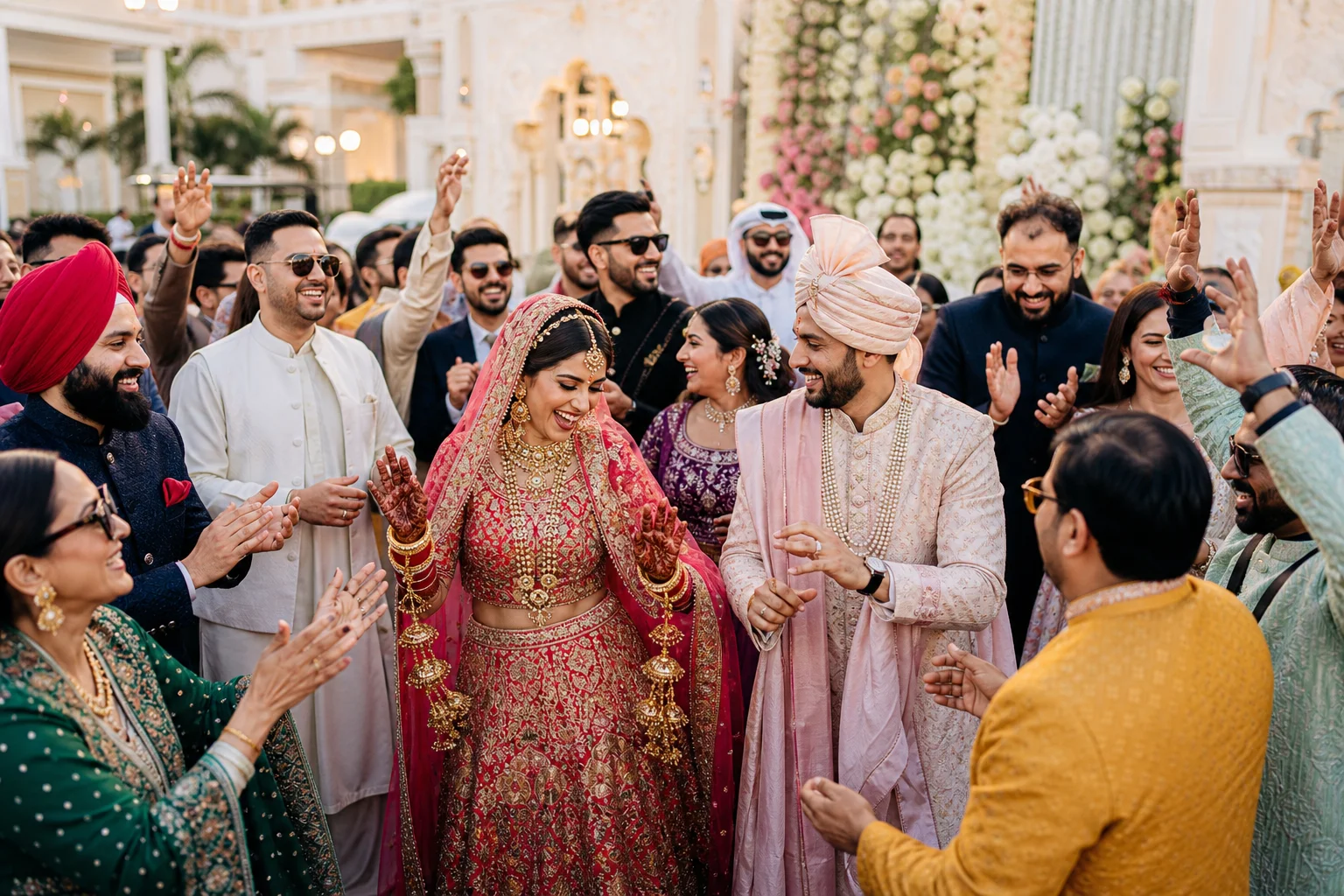
In the vibrant and expansive heart of Punjabi culture, a wedding is never just a solo project or a private agreement between two individuals—it is a monumental, all-encompassing family project. It is a collective effort where every relative has a role to play: uncles manage the catering contracts, aunts oversee the intricate Mehndi designs and the rhythmic folk songs, and siblings handle the complex entertainment and guest hospitality. However, in our modern, globalized world, family members are often spread across continents—from the heart of Chandigarh to the suburbs of Toronto, and from Amritsar to the bustling streets of London. In this context, ‘staying on the same page’ becomes a massive, almost insurmountable challenge. The PunjabiRishtey Wedding Planner was designed from the ground up with the *joint family* system in mind, bringing everyone into a single digital ecosystem to celebrate the formation of a new rishta. In this comprehensive guide, we explore how to leverage digital family collaboration to create a harmonious wedding experience without the typical family friction.
1. The ‘Joint Family’ Dashboard: Transparency as a Peace-Keeping Tool
Most family friction during wedding planning doesn’t come from bad intentions or a desire for control; it comes from a simple, preventable lack of information. When an aunt in Ludhiana doesn’t know that the menu was changed in London, or an uncle in Canada doesn’t know who is picking up the NRI cousins from the airport at 3 AM, stress levels rise and arguments begin. Our planner solves this fundamental problem by providing a shared, cloud-based dashboard with different, customizable permission levels. The couple remains the “Founders” of the project, while parents and designated leads act as “Admins.” Every change made to the guest list, every vendor contract uploaded, and every budget update is logged and visible to all authorized members in real-time. This ensures that the entire clan—regardless of their physical location—is working from the same master sheet of music. Transparency builds trust, and trust is the foundation of a happy, celebratory wedding house. When everyone can see the progress, the need for frantic, repetitive phone calls disappears.
2. The Art of Effective Delegation: Empowering the Clan
The secret to a truly stress-free matrimony celebration is effective, empowered delegation. Our task-management system allows the couple to assign specific ‘Buckets of Responsibility’ to different family members based on their unique strengths and geographic locations. For example: The ‘Hospitality Lead’ (The Global Connection) who manages the hotel room blocks, airport pickups, and local transport for guests flying in from overseas; The ‘Ritual Lead’ (The Heritage Guardian) who ensures that every specific item needed for the sikh Anand Karaj or hindu Pheras—from the sacred threads and coconuts to the specific sweets—is sourced and ready; and The ‘Budget Gatekeeper’ who tracks every deposit and final payment, ensuring the celebration stays within its pre-defined financial limits and managing currency conversions for international payments. By assigning these roles within the PunjabiRishtey app, you empower your family members to take real ownership of their tasks while keeping your own personal to-do list manageable. It turns the planning process from a burden into a shared celebration of the new rishtey.
3. Bridging the Generational Tech Gap: Human-Centric Design for Our Elders
We deeply recognize that not everyone in a Punjabi family is equally tech-savvy. We know that while the bride might be a digital native, her Nana-Ji or Dadi-Ji might find complex apps intimidating. That’s why the PunjabiRishtey Wedding Planner features a specialized “Senior Mode.” This is a simplified, high-contrast, large-font view of the app that shows only the most essential information: the updated guest list and the daily event schedule. This allows the elders of the family to contribute their vast wisdom and stay informed about the progress without being overwhelmed by complex logistical tools, spreadsheets, or technical jargon. It is about respecting our heritage and our elders while using modern tools to preserve the traditions they hold dear. We ensure that Nana-Ji in a village in Punjab feels just as connected to the plan and just as valued as the digital-native couple in San Francisco or London. This inclusivity is what makes our planner truly “family-centric.”
4. Conflict Resolution in the Digital Age: Avoiding the ‘Too Many Cooks’ Syndrome
In any large, passionate Punjabi family, differences of opinion are inevitable. “The blue drapes are better than the white ones,” or “We must have 15 types of appetizers, not 10.” The PunjabiRishtey app includes a ‘Digital Polling’ feature where family members can vote on non-critical decisions. This democratic approach allows everyone to have a say and feel involved, but the ‘Final Veto’ remains with the couple. By channeling these discussions into the app rather than a chaotic, 50-person family WhatsApp group, you keep the planning organized and reduce the emotional “noise” that can lead to hurt feelings. It’s a digital way to manage the complex social dynamics of a Punjabi family, ensuring that the focus remains on the love between the two families rather than the color of the napkins.
5. The Psychology of Shared Planning: Reducing the ‘Mental Load’
The weeks leading up to a Punjabi wedding are notoriously high-stress. By moving the coordination into a digital space, we remove the “mental load” from the couple’s shoulders. When an auntie can see for herself that the floral arrangements for the Mehndi have already been ‘Checked Off’ in the app, she doesn’t need to call the bride at work to ask. When the uncle in charge of transport sees the live flight data for the NRI guests, he feels empowered and informed. This reduction in “repetitive questioning” creates a calmer, more mindful atmosphere in the wedding house. Families can spend their precious time together sharing meals, practicing their Giddha moves, and telling stories instead of arguing over guest addresses or vendor payments. The app acts as a digital peace-keeper, ensuring that the human bonds of the rishta are strengthened, not strained, by the pressure of the big day.
Conclusion: Building Stronger Ancestral Bonds Through Shared Planning
The act of planning a wedding together is the very first step in building a strong, lasting bond between two families. It is a rehearsal for the life of collaboration, mutual respect, and support that follows a successful matrimony match. By using a tool that emphasizes collaboration and transparency over individual control, you are honoring the very essence of Punjabi heritage—the unbreakable strength of the family unit. Don’t let the complex logistics of a 2026 wedding tear your family apart; let the PunjabiRishtey Wedding Planner bring you closer together than ever before. Start your collaborative journey today and see how easy it is to keep the entire clan on the same page, from the very first cup of chai to the final, emotional Doli. This is the future of family-centric planning, where every relative has a seat at the digital table.
Leave a Reply